REAL ESTATE
How to Sell Your House in Manchester, UK: The Step-by-Step Guide

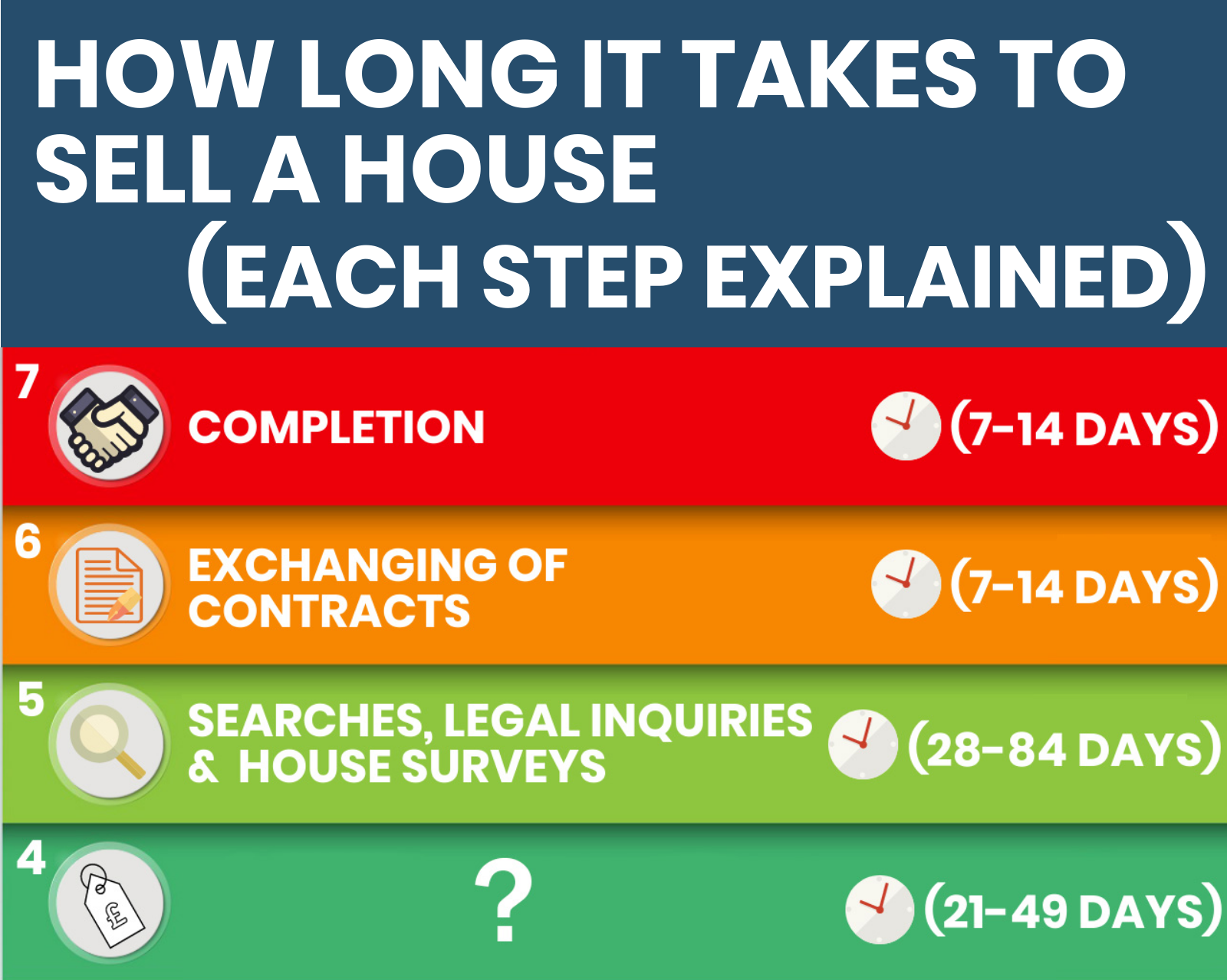
Selling your house in Manchester can be a daunting process, but with proper preparation and the right strategies, it can be a smooth and successful experience. This guide provides a detailed step-by-step approach to help you navigate the complexities of selling your property in Manchester, with a special emphasis on working with local estate agents in Manchester.
1. Assess Your Property’s Value
Market Research: Begin by researching the current housing market in Manchester. Look at recent sales of similar properties in your area to get an idea of your house’s market value.
Property Appraisal: Consider getting a professional appraisal. Local estate agents in Manchester can provide a free valuation, giving you a realistic idea of what your house might sell for.
2. Choose the Right Time to Sell
Market Conditions: Analyze the market conditions. Typically, spring and early summer are the best times to sell as the market is more active.
Personal Timing: Consider your personal circumstances and readiness. Selling a house can take several months, so ensure you’re prepared for the process.
3. Select a Local Estate Agent in Manchester
Why Local Estate Agents? Local estate agents in Manchester have intimate knowledge of the local market, potential buyers, and neighborhood trends. They can offer valuable insights and marketing strategies tailored to your area.
Finding the Right Agent: Interview multiple agents, check their reviews, and ask about their experience in selling properties similar to yours. Look for an agent with a good track record and excellent communication skills.
Agreeing on Fees: Negotiate the agent’s commission. Most estate agents charge between 1% to 3% of the selling price. Ensure you understand what services are included in the fee.
4. Prepare Your Home for Sale
Declutter and Clean: Make your home appealing by decluttering, deep cleaning, and making necessary repairs. A tidy and well-maintained home attracts more buyers.
Staging: Consider staging your home to highlight its best features. This can involve rearranging furniture, adding decor, or even renting furniture.
Repairs and Upgrades: Fix any obvious issues such as leaky faucets, broken tiles, or peeling paint. Small upgrades like fresh paint, new fixtures, or landscaping can significantly boost your home’s appeal.
5. Set the Right Price
Competitive Pricing: Set a competitive price based on your research and the agent’s valuation. Overpricing can deter buyers, while underpricing might leave money on the table.
Pricing Strategy: Discuss pricing strategies with your estate agent. They might suggest a slightly lower price to attract more interest and potential bidding wars.
6. Market Your Property
Professional Photography: High-quality photos are crucial for online listings. Ensure your home is well-lit and photographed from flattering angles.
Online Listings: List your property on popular real estate websites like Rightmove, Zoopla, and the estate agent’s own website. Ensure the listing is detailed and includes all key features.
For Sale Sign: A ‘For Sale’ sign in front of your house increases visibility and attracts local buyers.
Social Media and Networking: Utilize social media platforms and your network to spread the word. Local estate agents in Manchester often have a strong online presence and can help promote your property.
7. Host Viewings
Open Houses: Arrange open houses or private viewings. Ensure your home is clean, well-lit, and welcoming.
Virtual Tours: Consider offering virtual tours, especially if you’re targeting international buyers or during periods of restricted movement.
Flexibility: Be flexible with viewing times to accommodate potential buyers’ schedules.
8. Negotiating Offers
Reviewing Offers: Review each offer carefully with your estate agent. Consider not just the price, but also the buyer’s situation and their ability to close quickly.
Counteroffers: Be prepared to negotiate. Your estate agent can guide you through the process, advising on when to accept, reject, or counter an offer.
Accepting an Offer: Once you accept an offer, the buyer will usually arrange for a survey and their solicitor will conduct legal checks.
9. Legal and Administrative Steps
Hire a Solicitor: Engage a solicitor or conveyancer to handle the legal aspects of the sale. Local estate agents in Manchester can often recommend reliable professionals.
Drafting Contracts: Your solicitor will draft the contract, handle negotiations, and ensure all legal requirements are met.
Survey and Searches: The buyer will likely arrange a survey and their solicitor will conduct local searches. Be prepared to address any issues that arise.
10. Exchanging Contracts
Exchange Contracts: Once both parties are satisfied, contracts are exchanged. This legally binds the sale, and the buyer pays a deposit (usually 10% of the sale price).
11. Completion
Completion Date: Agree on a completion date. On this date, the remaining funds are transferred, and you hand over the keys.
Final Inspection: Ensure the property is in the agreed condition. The buyer may conduct a final inspection before completion.
12. Moving Out
Plan Your Move: Arrange for moving services, pack your belongings, and disconnect utilities.
Move-Out Day: Ensure the property is clean and all personal items are removed. Leave any agreed fixtures and fittings for the new owners.
Tips for a Smooth Sale
- Stay Organized: Keep all documents and correspondence in order.
- Communicate Regularly: Maintain open communication with your estate agent, solicitor, and potential buyers.
- Be Patient: The selling process can take time, so stay patient and proactive.
Conclusion
Selling a house in Manchester requires careful planning and the right support. By following these steps and leveraging the expertise of local estate agents in Manchester, you can navigate the process smoothly and achieve a successful sale.


Key Takeaways
- Consistent tenant screening ensures reliable occupants.
- Regular property maintenance preserves value and tenant satisfaction.
- Leveraging technology streamlines operations and communication.
- Clear financial management practices protect margins and ensure compliance.
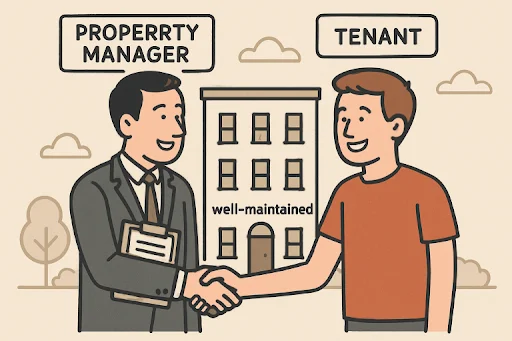
Achieving success in residential property management requires a comprehensive approach that blends strategy, communication, and ongoing care. Property managers who excel focus on both operational efficiency and creating an outstanding tenant experience. Implementing proven strategies can help raise tenant satisfaction, minimize vacancies, and maximize property returns for owners and investors.
From thorough tenant screening to adopting modern technology, there are numerous ways to enhance the business of managing residential rentals. By proactively maintaining properties and establishing clear processes for both staff and tenants, residential property management teams lay the foundation for long-term success in a competitive marketplace.
Incorporating sustainability initiatives and prioritizing community engagement further amplifies property value and tenant loyalty. With proper planning and continuous learning, property managers can stay ahead of industry trends and deliver meaningful results.
Comprehensive Tenant Screening
Careful tenant selection is the cornerstone of any successful property management strategy. Screening should extend beyond simple references—thorough background checks, credit history evaluations, and rental history evaluations all play crucial roles. Utilizing online screening tools and third-party verification services can reduce potential risks and minimize bias. The ultimate goal is to ensure that tenants are financially responsible, reliable, and have a history of respectful residency. Effective screening can also minimize turnover and late payments, safeguarding property revenue streams. Additionally, proactive property maintenance ensures that units remain in excellent condition, supporting tenant satisfaction and long-term occupancy. Combining thorough tenant screening with regular property upkeep creates a stable, profitable rental environment for both owners and tenants.
Proactive Property Maintenance
Preventive maintenance is crucial for maintaining property value and ensuring tenant satisfaction. A proactive approach means regular inspections, seasonal tune-ups, and prompt attention to repairs before they escalate. Integrating technology-driven maintenance tracking systems can simplify scheduling and help managers stay ahead of issues like HVAC problems, plumbing leaks, or structural wear and tear. Tenants are more likely to renew their leases when maintenance requests are handled promptly, and routine checks ensure common areas are kept in top condition. Property value is preserved, and repair costs are often lower when issues are caught early.
Leveraging Technology
Modern property management software is revolutionizing the industry by automating repetitive tasks and streamlining daily operations. Online payment portals facilitate faster rent collection, digital communication channels keep tenants informed and engaged, and cloud-based work order systems ensure maintenance tasks are resolved efficiently. Virtual tours and online leasing applications can also expand your reach to qualified tenants who are tech-oriented and value convenience. Leveraging technology enables property managers to respond more quickly, reduce paperwork, and minimize errors across all aspects of their operations.
Clear Financial Management
Accurate and transparent financial practices form the backbone of effective property management. Detailed recordkeeping, monthly bank reconciliations, and robust audit trails help protect owners’ margins and ensure regulatory compliance. Transparent financial reporting enables property owners to monitor performance and adjust their strategies as needed. Utilizing specialized property management accounting platforms can ease tax preparation, track expenses, and provide actionable insights into profitability. Managers who communicate clearly about deposits, rent increases, and common-area charges also build trust and prevent disputes.
Effective Communication Channels
Open, responsive communication is essential for healthy tenant relationships. Establishing a resident portal enables tenants to easily submit maintenance requests and access important information, while automated notifications keep them updated on upcoming repairs, inspections, and community events. These tools foster trust and satisfaction, giving tenants confidence that their concerns will be swiftly addressed. Clear communication policies also help staff stay organized and minimize misunderstandings in day-to-day operations.
Implementing Sustainable Practices
Eco-friendly property management attracts environmentally conscious tenants and reduces long-term operational costs. Simple upgrades—such as installing energy-efficient appliances, switching to LED lighting, and introducing comprehensive recycling programs—can make a big difference. Encouraging responsible energy and water use through tenant education and incentives also supports sustainability goals. By reducing their environmental footprint, property managers increase a property’s market appeal and future-proof their investments.
Building Community Engagement
Fostering a sense of community within your properties can significantly enhance tenant retention and create a positive living environment. Hosting resident events—such as holiday gatherings, volunteer opportunities, or informational seminars—breaks down barriers and builds rapport among neighbors. Developing shared amenities, such as fitness centers, lounges, or outdoor spaces, encourages residents to connect, feel a sense of belonging, and invest emotionally in their home. Community engagement often leads to fewer vacancies and more lease renewals.
Continuous Staff Training
Ongoing professional development is crucial for property management staff to stay current with industry best practices and regulatory requirements. Continuous training ensures that the team stays up-to-date on legal changes, customer service techniques, and new technologies. Workshops, certifications, and industry conferences can all contribute to a staff’s effectiveness, ultimately leading to higher tenant satisfaction and improved property performance. Well-trained employees are also more motivated and adept at solving problems quickly and professionally.
Adopting these strategies ensures operational excellence in residential property management, elevates the tenant experience, and safeguards property investments for the long term.

In the dynamic world of real estate, finding the perfect property can be a daunting task. This is where Realestateview steps in, offering a comprehensive platform that revolutionizes the way individuals search for properties.
The Importance of Realestateview
Finding Properties Easily
Gone are the days of endless property visits. Realestateview provides users with a streamlined approach to finding properties that match their criteria effortlessly.
Detailed Property Information
One of Realestateview’s standout features is its commitment to providing detailed property information. From square footage to neighborhood insights, users can make informed decisions.
How to Use Realestateview
Creating an Account
The first step to unlocking the full potential of Realestateview is creating a personalized account. This allows users to save preferences and receive tailored property recommendations.
Customizing Property Preferences
Realestateview empowers users by allowing them to customize their property preferences. From budget constraints to desired amenities, every detail matters.
Navigating the Platform
A user-friendly interface ensures that even those unfamiliar with online property searches can easily navigate Realestateview. The intuitive design simplifies the process.
Advanced Features
Interactive Maps
Discovering the perfect neighborhood is as crucial as finding the right property. Realestateview’s interactive maps provide a bird’s-eye view of potential areas.
Virtual Tours
Incorporating technology to the fullest, Realestateview offers virtual tours. Walk through a property from the comfort of your home, saving time and energy.
Benefits for Property Sellers
Increased Visibility
For property sellers, Realestateview opens doors to a vast audience. Increased visibility means higher chances of finding the right buyer.
Targeted Audience
Realestateview’s algorithms ensure that property listings reach a targeted audience, reducing the chances of irrelevant inquiries.
User Testimonials
Real Experiences
Discover how users have successfully found their dream homes through Realestateview. Real experiences highlight the platform’s effectiveness.
Success Stories
From first-time buyers to seasoned investors, Realestateview’s success stories showcase its versatility in catering to diverse needs.
Realestateview vs. Competitors
Points of Distinction
What sets Realestateview apart from competitors? Explore the unique features that give it a competitive edge.
User-Friendly Interface
Comparing user experiences, Realestate view consistently stands out for its user-friendly interface. Accessibility is key to its success.
Tips for Effectively Using Realestateview
Setting Notifications
Never miss out on a potential property. Setting notifications keeps users informed about new listings that match their criteria.
Utilizing Filters
Refine searches with filters. Whether it’s the number of bedrooms or proximity to schools, Realestateview’s filters make the search precise.
Saving Favorites
Save time by bookmarking favorite properties. Realestate view allows users to create a personalized list of potential homes.
Future Developments
Continuous Improvements
Realestateview is committed to continuous improvements. Stay tuned for upcoming features that will enhance the user experience.
Enhanced Features
Expect enhanced features that leverage the latest technology trends. Realestate view remains at the forefront of innovation.
Community Engagement
Forums and Discussions
Join discussions and forums within the Realestateview community. Exchange insights, tips, and experiences with fellow users.
Social Media Presence
Connect with Realestateview on social media for updates, property highlights, and community engagement.
Industry Impact
Changing the Real Estate Game
Realestateview isn’t just a platform; it’s a game-changer. Explore its impact on the real estate industry.
Empowering Consumers
By providing a wealth of information and tools, Realestate view empowers consumers to make informed decisions confidently.
Challenges and Solutions
Addressing User Concerns
Every platform faces challenges. Realestate view addresses user concerns promptly, ensuring a smooth experience.
Staying Ahead of Technology
In a rapidly evolving tech landscape, Realestateview stays ahead by embracing the latest innovations and trends.
Realestateview’s Commitment to Security
Protecting User Data
Security is a top priority for Realestateview. Discover the measures in place to protect user data and privacy.
Secure Transactions
Whether buying or selling, Realestate view ensures secure transactions, giving users peace of mind.
The Success Story of Realestateview
From Inception to Prominence
Trace the journey of Realestate view from its inception to becoming a prominent player in the real estate market.
Milestones and Achievements
Celebrate the milestones and achievements that mark Realestateview’s success story.
Conclusion
In the realm of real estate, where choices abound, Realestate view stands tall as a reliable, user-friendly, and innovative platform. Whether you’re a buyer or seller, this digital haven is reshaping how we approach property transactions.
ALSO READ: TOP SERVICES FOR BUILDERS TO SELL MORE HOMES


World Liberty Financial, also known as WLFI, is making headlines with its announcement of plans to tokenize parts of Trump’s real estate portfolio. The initiative aims to move traditional real estate assets into the world of blockchain, opening new possibilities for digital property ownership. This step signals a major development in the relationship between real-world assets and blockchain technology. The news has sparked widespread interest, particularly because it links one of the world’s most recognized real estate brands with one of the fastest-growing trends in finance: tokenization. The move marks a significant turning point for those following Trump real estate on-chain innovations.
Project Overview
WLFI’s mission is to bring traditional assets, such as real estate, on-chain by transforming them into digital tokens. This process involves converting the ownership rights of properties into blockchain-based tokens that represent shares in those assets. It allows investors to own fractional portions of properties, creating a more accessible and flexible investment environment. The goal is to bridge the gap between traditional finance and decentralized technologies.
Zach Witkoff, an executive associated with the Trump Organization, has expressed enthusiasm about the collaboration with WLFI. He highlighted that tokenization offers new opportunities to reach a broader audience of investors. By using blockchain technology, ownership can be verified through smart contracts, ensuring transparency and security. Witkoff emphasized that this initiative reflects a forward-looking approach to real estate development and investment.
WLFI’s platform aims to digitize property ownership through the integration of smart contracts. These digital agreements automate processes like transfers, compliance checks, and profit distribution. Once a property is tokenized, it can be traded or invested in through digital exchanges, allowing investors to engage with the asset market without traditional barriers. The vision is to make real estate more liquid, efficient, and globally accessible.
Market Significance
The decision to tokenize Trump’s properties underlines a growing confidence in real-world asset (RWA) tokenization. In recent years, the tokenization of tangible assets has gained traction across sectors including real estate, art, and commodities. However, applying it to high-profile commercial properties brings a new level of legitimacy to the concept.
By working with established financial and real estate institutions, WLFI is demonstrating that tokenization is no longer just a niche idea in the crypto community. It is now becoming a recognized method for capital formation and investment. Institutional investors are paying close attention because it aligns with the demand for transparent and efficient asset management systems.
The potential market for real estate tokenization is enormous. Analysts estimate that billions of dollars in property value could eventually move onto blockchain networks. When a large name like Trump becomes part of the movement, it adds credibility and attracts investor interest. This step could also encourage other developers and financial institutions to explore similar blockchain-based solutions. As Tokenizer.Estate News and other platforms have covered, tokenization is emerging as one of the most important shifts in how assets are owned and traded globally.
Opportunities & Challenges
The tokenization of real estate offers several important benefits. One of the main advantages is liquidity. Traditional real estate investments often require large capital commitments and long holding periods. Tokenization allows property owners to divide assets into smaller, tradable shares. This makes it possible for investors to buy and sell portions of properties more easily. It also lowers the entry barrier, enabling small and medium investors to participate in markets that were once limited to wealthy individuals and large funds.
Another opportunity lies in the global reach of blockchain networks. Tokenized real estate can attract international investors without the need for complex cross-border arrangements. With digital platforms, investors can manage and trade their holdings in real time. Transparency is also a key feature. Since all transactions are recorded on the blockchain, it becomes easier to verify ownership and track asset performance.
However, the path toward full adoption is not without challenges. Regulatory compliance remains one of the most significant concerns. Tokenized real estate must adhere to both securities and property laws, which vary across jurisdictions. Without clear legal frameworks, projects like WLFI’s could face delays or limitations in certain regions.
Valuation is another issue. Determining the fair market value of tokenized assets requires consistent standards and trusted data sources. Unlike traditional financial instruments, digital tokens depend on both market sentiment and asset fundamentals. As a result, price stability can be harder to maintain.
Security is also essential. Smart contracts must be carefully designed to prevent errors or vulnerabilities that could compromise transactions. Cybersecurity and investor protection will play major roles in the success of tokenized projects. Lastly, public perception and education are critical. Many potential investors are still unfamiliar with blockchain-based investment models, so building trust and understanding will take time.
Despite these hurdles, the potential upside is significant. WLFI’s collaboration with Trump real estate could encourage regulators to develop clearer frameworks for tokenized assets. It could also drive innovation in financial technology and real estate management.
Conclusion
WLFI’s decision to explore the tokenization of Trump’s real estate assets represents a bold step toward integrating blockchain technology into one of the world’s most traditional industries. The initiative combines the reputation of a global real estate brand with the efficiency of digital finance. If successful, it could set a precedent for how luxury and commercial properties are managed and traded in the future.The outcome will depend on several factors, including regulatory approval, investor interest, and market stability. Nonetheless, the move highlights a growing global trend toward digitizing real-world assets and creating new ways to engage with property investment. As Tokenizer.Estate News continues to report, the future of tokenized real estate looks increasingly dynamic. The WLFI-Trump initiative may serve as a model for the next wave of real estate innovation, where ownership and investment are not confined by geography but powered by blockchain technology.


 BUSINESS10 months ago
Brand Visibility with Imprint Now and Custom Poly Mailers

 HEALTH9 months ago
Happy Hippo Kratom Reviews: Read Before You Buy!

 HOME IMPROVEMENT9 months ago
The Do’s and Don’ts of Renting Rubbish Bins for Your Next Renovation
- TECHNOLOGY8 months ago
Dizipal 608: The Tech Revolution Redefined
- BUSINESS10 months ago
Exploring the Benefits of Commercial Printing
- LIFESTYLE10 months ago
The Disciplinary Wives Club: Spanking for Love, Not Punishment
- HEALTH5 months ago
Your Guide to Shedding Pounds in the Digital Age
- ENTERTAINMENT2 months ago
Exploring the Kristen Archives: A Treasure Trove of Erotica and More