LAW
Navigating Divorce: Finding the Right Divorce Lawyer in Paducah

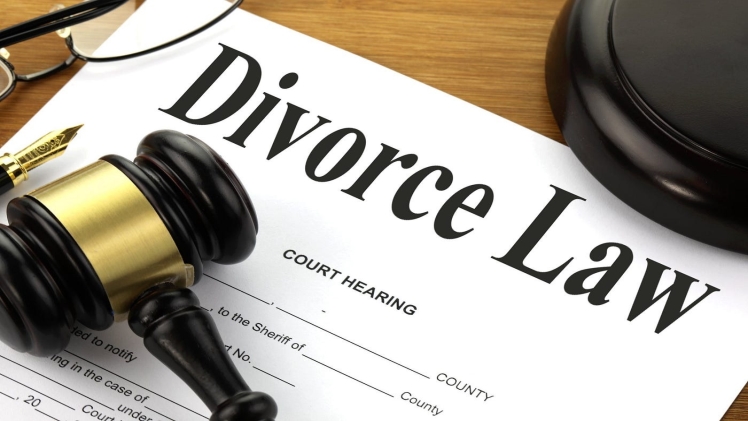
Divorce can be one of the most challenging experiences a person faces, laden with emotional and financial upheaval. Securing suitable legal representation is crucial to navigating the complex legal terrain when considering a divorce. For those residing in Paducah, finding a competent divorce lawyer becomes paramount. We will guide you through the essential aspects of finding and working with a divorce lawyer in Paducah, ensuring you are well-prepared for the journey ahead.
Importance of Hiring a Specialized Lawyer
Hiring a lawyer specializing in divorce cases ensures they have the expertise and experience to handle the unique challenges that arise in such cases. They are familiar with local court procedures, judges, and other legal professionals, which can be advantageous in navigating the legal system in Paducah.
Finding the Right Divorce Lawyer in Paducah
- Research and Referrals
One of the first steps in finding a suitable divorce lawyer is conducting thorough research. Start by seeking referrals from friends, family members, or colleagues who have gone through a similar experience. Personal recommendations can provide valuable insights into a lawyer’s competence and demeanor.
- Online Resources
Utilize online resources such as legal directories, bar association websites, and review platforms to gather information about potential lawyers. Websites like Avvo and Martindale-Hubbell provide ratings and reviews from clients and peers, helping you assess a lawyer’s reputation and track record.
- Initial Consultation
Most divorce lawyers offer an initial consultation, either free or for a nominal fee. This meeting allows you to gauge the lawyer’s approach, experience, and compatibility with your needs. Prepare a list of questions to ask during this consultation, such as:
- How long have you been practicing family law?
- What is your experience with cases similar to mine?
- What is your approach to negotiation and litigation?
- How do you communicate with your clients?
- What are your fees and billing practices?
Evaluating Potential Lawyers
- Experience and Expertise
When evaluating potential lawyers, prioritize those with significant experience handling divorce cases. An experienced lawyer will have a deep understanding of local laws and precedents and the ability to anticipate and address potential issues during the proceedings.
- Communication Skills
Effective communication is essential in a lawyer-client relationship. Ensure that the lawyer you choose is approachable, listens to your concerns, and explains legal concepts clearly and understandably. Regular updates and prompt responses to your queries are indicators of a lawyer’s commitment to your case.
- Compatibility and Trust
Divorce proceedings can be lengthy and emotionally draining. It is crucial to have a lawyer with whom you feel comfortable and whom you can trust. The right lawyer should be empathetic, supportive, and dedicated to achieving your best possible outcome.
The Legal Process of Divorce in Paducah
- Filing for Divorce
The legal process begins with filing a petition for divorce in the appropriate court. In Paducah, this is typically done in the McCracken County Circuit Court. The petition outlines the grounds for divorce and the relief sought, such as property division, child custody, and support.
- Serving the Petition
Once the petition is filed, it must be served to the other spouse, with a specified response period. If the spouse fails to respond, the court may grant a default judgment in favor of the petitioner.
- Discovery Phase
During the discovery phase, both parties exchange information and documents relevant to the case. This may include financial records, property valuations, and other pertinent details. The purpose of discovery is to ensure that both parties understand marital assets and liabilities clearly.
- Negotiation and Mediation
Many divorce cases are resolved through negotiation or mediation, avoiding a trial. A skilled divorce lawyer will work to reach an amicable settlement that meets your needs and interests. Mediation sessions involve a neutral third party who helps facilitate discussions and resolve disputes.
- Trial
If negotiations fail, the case proceeds to trial. Both parties present their arguments and evidence during the trial before a judge decides on the contested issues. An experienced divorce lawyer is critical during this stage, as they will advocate for your rights and interests in court.
Common Issues in Divorce Cases
- Child Custody and Support
Child custody and support are often the most contentious issues in a divorce. The court’s primary concern is the child’s best interests, considering age, health, and emotional ties to each parent. Both parents are typically required to contribute to the financial support of their children, with the amount determined based on income and other relevant factors.
- Property Division
Kentucky follows the principle of equitable distribution, meaning that marital property is divided fairly, though not necessarily equally, between the spouses. Marital property includes assets and debts acquired during the marriage, while separate property refers to assets owned by one spouse before the marriage or acquired through inheritance or gift.
- Spousal Support
Spousal support, or alimony, may be awarded to one spouse based on factors such as the length of the marriage, the standard of living established during the marriage, and the financial resources of each spouse. Spousal support aims to help the lower-earning spouse maintain a similar standard of living post-divorce.
Divorce is a complex and emotionally charged process that requires careful navigation. Finding the right divorce lawyer in Paducah is crucial to protecting your interests and achieving a favorable outcome. By conducting thorough research, evaluating potential lawyers, and working closely with your chosen legal representative, you can navigate the challenges of divorce with confidence and clarity. Remember, the right lawyer will provide expert legal advice and offer the support and understanding needed to help you through this difficult time.



In the sprawling urban landscape of New York City, the skyline is not a symbol of architectural prowess. It is an emblem of the city’s commitment to a sustainable future.
At the heart of this commitment lies the ambitious Climate Mobilization Act, Local Law 97 (LL97). This piece of legislation is not just regulatory jargon. It represents a significant pivot towards reducing carbon emissions across the city’s building stock.
For building owners within the metropolis, this means navigating new compliance landscapes. Enter the Local Law 97 calculator, a tool that is becoming indispensable.
Read on to better understand the very reasons why every building owner needs a Local Law 97 calculator.
Read on!
Compliance Monitoring
One of the biggest challenges that building owners face with LL97 is compliance monitoring. The law requires buildings over 25,000 square feet to reduce their carbon emissions by a specific percentage each year. This means continuous tracking and reporting of energy usage and carbon emissions.
The Local Law 97 calculator simplifies this process. This is done by collecting data from various sources and calculating the building’s compliance status. This allows building owners to track their progress and identify areas for improvement.
Emissions Reporting
Building owners are also required to report their emissions annually. This can be a daunting task for those who do not have the necessary tools and resources.
The Local Law 97 calculator streamlines this process. This is made possible by generating comprehensive reports that can be submitted to the city. This reduces the burden on building owners and ensures accurate reporting of emissions data.
Cost Estimation
Complying with Local Law 97 may require building owners to invest in energy-efficient upgrades and systems. The cost of these upgrades can be a major concern for many. This is especially true for smaller building owners.
The Local Law 97 calculator takes the guesswork out of cost estimation. This is also made possible by providing accurate calculations.
Such calculations are based on the building’s data and potential upgrade options. This allows building owners to plan and budget accordingly. Thus, making ll97 compliance more manageable.
Identification of Efficiency Measures
One of the key benefits of using a Local Law 97 calculator is its ability to identify potential efficiency measures for a building. The ll97 calculator can suggest specific upgrades and improvements that will help buildings meet compliance targets. This is achieved by analyzing energy usage and emissions data.
This not only makes it easier for building owners to follow LL97. It also helps them save money in the long run by reducing energy consumption and costs. Plus, these efficiency measures contribute to the goal of creating a more sustainable and safe environment.
Optimization of Investments
The Local Law 97 calculator not only helps building owners follow the law. It also enables them to optimize their investments. Building owners can make informed decisions about which upgrades or changes will have the most significant impact on their emissions. This can be done by estimating costs and identifying efficiency measures.
This means that building owners can invest in improvements that not only help them meet compliance targets. They also provide long-term cost savings and environmental benefits.
Risk Mitigation
Non-compliance with Local Law 97 can result in hefty fines and penalties. By using a Local Law 97 calculator, building owners can ensure that they are on track to meet compliance targets and avoid these risks. As you get to know more about these local law 97 penalties, you will understand why it is essential to have a reliable tool like the ll97 calculator on your side.
Additionally, the calculator can help identify potential areas of non-compliance. This allows building owners to take corrective action before it becomes an issue with the city. This helps mitigate risks and ensures a smoother compliance process.
Benchmarking Performance
Using a Local Law 97 calculator also allows building owners to benchmark their performance against other buildings in the city. This can provide valuable insights and help identify areas for improvement.
Building owners can see how they stack up and make necessary changes. That way, they can improve their overall efficiency and compliance status. They can achieve this by comparing data with similar buildings.
This not only helps the individual building. It also contributes to the city’s overall goal of reducing carbon emissions. Moreover, benchmarking can also be a form of healthy competition.
It encourages building owners to strive for better efficiency and sustainability scores. This can lead to a more significant positive impact on the city’s carbon footprint.
Environmental Stewardship
Using a Local Law 97 calculator also demonstrates a commitment to environmental stewardship. Building owners are actively contributing to creating a more sustainable city for future generations. They can achieve this by complying with LL97 and investing in energy-efficient upgrades and systems.
Furthermore, building owners are promoting transparency and accountability within the community. They can achieve this by accurately tracking and reporting emissions data. This can inspire others to take similar actions and contribute to a cleaner, greener environment.
Enhanced Property Value
Using a Local Law 97 calculator can also have a positive impact on the value of a building. Buildings that are compliant with LL97 and actively working towards reducing their carbon footprint may be more desirable. This comes along as sustainability becomes an increasingly important factor for potential buyers and tenants.
This not only benefits building owners in terms of marketability. It also contributes to the city’s overall efforts towards a sustainable future. Plus, the property value may also increase in the long run. This comes along as energy-efficient upgrades can lead to cost savings.
Moreover, being compliant with Local Law 97 can also provide a competitive advantage in the real estate market. This comes along with the potential for future regulations and incentives related to sustainability.
It also makes the use of a Local Law 97 calculator not only essential for compliance. It is also a smart business decision.
Ensure Regulatory Compliance With a Local Law 97 Calculator
Overall, the use of a Local Law 97 calculator is essential for building owners. This helps them ensure regulatory compliance and make informed decisions about their investments. The calculator plays a crucial role in achieving New York City’s sustainability goals.
So if you are a building owner affected by LL97, don’t wait any longer! Start using a Local Law 97 calculator today! Together, we can create a cleaner, greener, and more sustainable city for all.
If you want to read more articles, you can visit our blog. We have more! Keep exploring!

Key Takeaways:
- Comprehension of factors unique to tractor-trailer accidents.
- Insights into the complexity of truck accident claims.
- Guidance on the right time to seek legal advice.
- The significance of legal expertise in navigating compensation processes.
Table of Contents:
- Introduction to Tractor Trailer Accidents
- Complex Nature of Tractor Trailer Accident Claims
- The Right Time to Consult a Truck Accident Attorney
- The Role of an Attorney in a Truck Accident Claim
- Navigating Insurance and Compensation Processes
- Collective Legal Experience and Truck Accident Lawsuits
- How an Attorney Can Help with Settlements and Litigation
- The Importance of Acting Promptly After an Accident
- Choosing the Right Truck Accident Attorney for Your Case
- Conclusion: Stepping Forward with Confidence
Collisions involving tractor-trailers are among the most challenging road events. Due to these vehicles’ sheer size and weight, accidents frequently cause fatalities or significant injuries. While commercial truck drivers undergo specialized training and are subject to strict regulations, the potential for catastrophic crashes persists. Understanding when to consult a tractor trailer injury attorney can be vital in securing just compensation and legal recourse when such an unfortunate event occurs.
Introduction to Tractor Trailer Accidents
Due to the many variables that might lead to them, tractor-trailer accidents are unique from other auto accidents. These can range from driver fatigue, mechanical failures, improper loading of cargo, and challenging driving conditions to tight delivery schedules that can lead to speeding or reckless driving. The high stakes in these accidents make it crucial for victims to be well-informed about their legal options.
Complex Nature of Tractor Trailer Accident Claims
Claims arising from tractor-trailer accidents are inherently complex. They involve navigating federal and state regulations governing the trucking industry, interpreting evidence from the accident scene, and dissecting the truck driver’s service hours to ensure compliance. In these multi-faceted cases, determining liability can be challenging as it may involve multiple parties, such as the trucking company, drivers, cargo loaders, and manufacturers of trucking components.
The Right Time to Consult a Truck Accident Attorney
If you’ve been involved in an accident with a tractor-trailer, consulting an attorney promptly is advisable — especially if you’re faced with significant injury, medical expenses, and loss of income. A Truck Crash Lawyer in Seattle with experience in trucking accidents can offer guidance on the necessary steps to secure compensation and assess your case’s complexities to advocate on your behalf.
The Role of an Attorney in a Truck Accident Claim
An experienced truck accident attorney’s role extends beyond advocating for fair compensation. Attorneys delve into the intricacies of the accident, sourcing and interpreting evidence that may include driver logs, trucking company records, and maintenance documents. Additionally, they engage accident reconstruction specialists to establish liability and the exact cause of the truck accident.
Navigating Insurance and Compensation Processes
The aftermath of tractor-trailer accidents often involves grappling with insurance companies keen on minimizing payouts. A seasoned truck accident attorney can navigate these negotiations, ensuring that victims receive total compensation for their injuries, not just immediate losses, but also future medical expenses, rehabilitation, and continuing care as needed. Legal expertise is indispensable for a more equitable claims process.
Collective Legal Experience and Truck Accident Lawsuits
Using their collective legal experience, attorneys can discern whether settling with insurance companies is in the victim’s best interest or if proceeding to trial might yield better outcomes. They work to ensure the compensation reflects the trauma and losses endured by the victims, including non-economic damages such as suffering and anguish, which are particularly relevant in circumstances involving severe accidents.
How an Attorney Can Help with Settlements and Litigation
Attorneys adept in truck accident law comprehend the nuances that can influence settlements and litigation outcomes. Their negotiation skills can be pivotal in achieving satisfactory settlements out of court; if litigation becomes necessary, they’re prepared to present a solid case to reach a fair judgment underpinned by substantial evidence and expert testimonies.
The Importance of Acting Promptly After an Accident
Action taken immediately after a truck accident can preserve evidence and rights. Consulting an attorney promptly helps in the timely filing of claims and adherence to statutes of limitation, ensuring no procedural details that could hinder your case are overlooked. Moreover, early intervention by an attorney can prevent other parties from manipulating evidence.
Choosing the Right Truck Accident Attorney for Your Case
Selecting the appropriate attorney to represent you in a tractor-trailer accident case is a significant decision. It’s vital to choose someone with specific knowledge and experience in this field, understanding the gravity of trucking accidents and the nuances of this branch of personal injury law. This ensures that your rights and interests are robustly represented from the start.
In conclusion, tractor-trailer accidents are highly specialized in injury law. They require an attorney who understands the intricate woven details of federal regulatory compliance, vehicular maintenance standards, and the interplay of state and national laws affecting the trucking industry. When accidents occur, it is in the affected parties’ best interests to seek legal consultation early, aiding in a more thorough, transparent, and fair claim process. Thus, knowing when and how to consult an attorney empowers individuals to move forward confidently after a tragic trucking accident.
Anyone involved in such a terrible incident as a vehicle accident has to know what to do after that. While the information provided here centers on tractor-trailer collisions, the principles of seeking prompt legal guidance can be universally applied to various vehicular accident situations. After an accident, knowing your rights and what steps to take can have a big impact on how things are resolved and how much money is returned.

Construction work ranks second in work-related casualties. Statistics by OSHA show that construction incidents kill 1 out of 5 workers annually in the U.S. These accidents accounted for about 1,000 deaths in 2022.
Automatically, construction accident injury cases are high in populated areas like Long Island. Many people continuously sue potential liable parties to gain monetary and non-monetary compensation. However, certain construction injury legal processes are complex and challenging.
Instead of going against a construction company alone, you can get assistance from Long Island construction accident lawyers to make your compensation claim easier. Here are instances where you should hire a construction accident attorney.
Importance of a Lawyer in Long Island Injury Claims
So, what do you gain by paying for legal advice or representation?
- Lawyers help safeguard your rights.
- You acquire professionalism and competence that can go against strong defenses.
- You don’t have to attend all the trials.
- A lawyer can help you gain more compensation than when negotiating yourself.
Instances You Need an Attorney for a Construction Accident Case
The following instances also depict the importance of hiring a lawyer in Long Island.
When You’re Partially Responsible
You can be partially responsible in various construction cases like falls and slips, thus a defendant proving your negligence. Such situations may result in low pay or none at all.
Therefore, get a credible Long Island construction injury lawyer when identified as a negligent party. They can help prove your innocence and secure compensation regardless of the case’s outcome.
If There are Multiple Liable Individuals/ Groups
Multiple liable parties can make a case more complex. Usually, potential fault groups may deny responsibility by blaming each other. Additionally, they may cause complications when instructed to cost-share the compensation.
An attorney is perfect in such contexts. They ensure you get paid regardless of the group’s disagreements. They can easily decode who’s mostly liable or isolate the specific at-fault group/individual.
When a Case Requires Ample Investigations
Construction accidents usually require keen investigations, including retrieving a company’s historical data. However, you may not have the jurisdiction to acquire certain information from the police or public records. Lacking the information can drag your case, thus causing damages to pile up.
However, Long Island attorneys can attain crucial information regarding negligent parties. They’re qualified to perform thorough investigations in various stages of the case and can adapt to an unpredictable trial process.
In Case of Denied Compensation
The obvious liable party can fail to compensate as promised or instructed by a court of law. This can go unpunished when dealing with notable individuals or groups. However, such actions are a crime, which you can benefit from if you have a lawyer.
You should ensure that the attorney can overcome threats or bribery from powerful individuals. The at-fault parties might offer them more than you are offering.
After Sustaining Injuries in Uncertain Circumstances
You’re liable for compensation even when you suffer from self-inflicted injuries. Your employer has the obligation to protect you at all times. This is done by providing the necessary protective gear and creating a safe working environment.
If you are uncertain if your injury deserves compensation, contact a Long Island advocate for more information and instructions on how to proceed with the case. Additionally, the lawyer can help you investigate other accident loopholes that may affect you in the future.

If You Lose a Job Due to the Injuries
You might lose your job due to long-term injuries like bone fractures or paralysis. A good lawyer can secure your position until you recover or seek compensation if you are unable to return to work.
Conclusion
Remember that these lawyers work on contingency fee arrangement. Therefore, a lawyer’s pricing should not discourage you from getting legal representation. A construction attorney is handy in the above situations, guaranteeing you attain needed compensation. Most importantly, they ensure that you secure your job or lost salary.




 HOME IMPROVEMENT1 year ago
The Do’s and Don’ts of Renting Rubbish Bins for Your Next Renovation
- BUSINESS1 year ago
Exploring the Benefits of Commercial Printing

 BUSINESS1 year ago
Brand Visibility with Imprint Now and Custom Poly Mailers
- HOME IMPROVEMENT9 months ago
Get Your Grout to Gleam With These Easy-To-Follow Tips
- TECHNOLOGY11 months ago
Dizipal 608: The Tech Revolution Redefined
- HEALTH9 months ago
The Surprising Benefits of Weight Loss Peptides You Need to Know
- HEALTH9 months ago
Your Guide to Shedding Pounds in the Digital Age

 HEALTH12 months ago
Happy Hippo Kratom Reviews: Read Before You Buy!