
HEALTH
5 Ways to Enhance Your Neurofeedback Journey at Home


Training your brain at home sounds like something only Silicon Valley types would do—right up there with fasting retreats and cryotherapy pods. But neurofeedback has gone mainstream, and for good reason.
It’s science-backed, practical, and now incredibly accessible. No more booking appointments with practitioners who nod too much and charge even more. With a neurofeedback home setup, you can sharpen your mind while wearing slippers and sipping tea.
Of course, there’s a catch: you have to use the thing. Much like that elliptical collecting dust in the basement, a neurofeedback device is only as good as your commitment. And let’s be honest, “commitment” can feel like a foreign concept in a world where we abandon shows halfway through season two.
Still, the potential is undeniable. Neurofeedback can boost focus, lower stress, and help you improve cognitive performance—if you do it right. The trick is knowing how to make it stick, and that’s precisely where these tips come in handy.
Let’s break down five ways to maximize your efforts and avoid turning them into another forgotten project.
1. Pick the Right Neurofeedback Home Device
Training your brain at home is like something out of a sci-fi movie, but with a neurofeedback home device, you can achieve your goals—from stress reduction to cognitive enhancement.
Devices like Sens.ai use sensors to monitor your brain’s electrical activity and provide instant feedback to help you tune in to your mental performance. It’s like having a personal trainer for your brain – except it won’t make you do burpees.
These devices give you control over your brain health. A feedback loop guides your mind towards healthier patterns whether you want to improve focus, manage stress or enhance memory. They also have programs tailored to your needs, perfect for beginners and experts.
Consistency is key. Commit to regular sessions, create a distraction-free environment and be patient. These devices provide the framework; your effort brings the results. Together, they partner to take your neurofeedback to the next level.
2. Support Your Brain With Nootropic Supplements
Your brain is a high-maintenance guest – it needs attention, the right nutrients and a bit of pampering. Adding brain-supporting supplements to your routine can provide the nutritional foundation for effective neurofeedback.
Supplements like nootropics are becoming more popular for their ability to enhance neurobiology. But you don’t need a chemistry degree to start; the key is to choose well-researched options that support overall brain health.

Think of supplements as the soil that feeds your mental garden. Omega-3s, magnesium and vitamins like B6 and B12 are often associated with improved cognitive function. Nootropics, the so-called “smart drugs,” can also enhance mental clarity, but they’re not a one-size-fits-all solution. Consult a healthcare professional to tailor your choices to your needs.
Combining supplements with neurofeedback creates a symbiotic relationship: while the supplements enhance brain function from the inside out, the neurofeedback reinforces healthy brainwave patterns. Together, they can help you progress without relying on one method alone.
3. Consider Memory Building Software
Enhancing memory isn’t just about repetition—it’s about strategic repetition. Memory-building software like Dual N-Back has received considerable attention for improving working memory, which is key to multitasking, learning, and problem-solving. These programs work alongside neurofeedback to train your brain to hold and manipulate information better.

Dual N-Back is a cognitive game in which you have to remember and respond to patterns—it’s as fun as it is effective. The software doesn’t promise overnight genius but gradual improvement through daily practice. If neurofeedback is the conductor, memory-building tools are the orchestra, fine-tuning each section to play harmoniously.
Using memory software regularly can help solidify the gains from neurofeedback. It’s like cross-training for your brain—neurofeedback works on the underlying brain activity, while memory software works on applying those gains in real life.
4. Combine your Routine With other Neurotechnologies
If you’re serious about brain optimization, neurotechnology is a playground beyond neurofeedback. Cranial electrical stimulation (CES) is a noninvasive technique that delivers low-level electrical currents to stimulate brain activity. Sounds like science fiction? CES is backed by research that aims to reduce anxiety and improve focus.
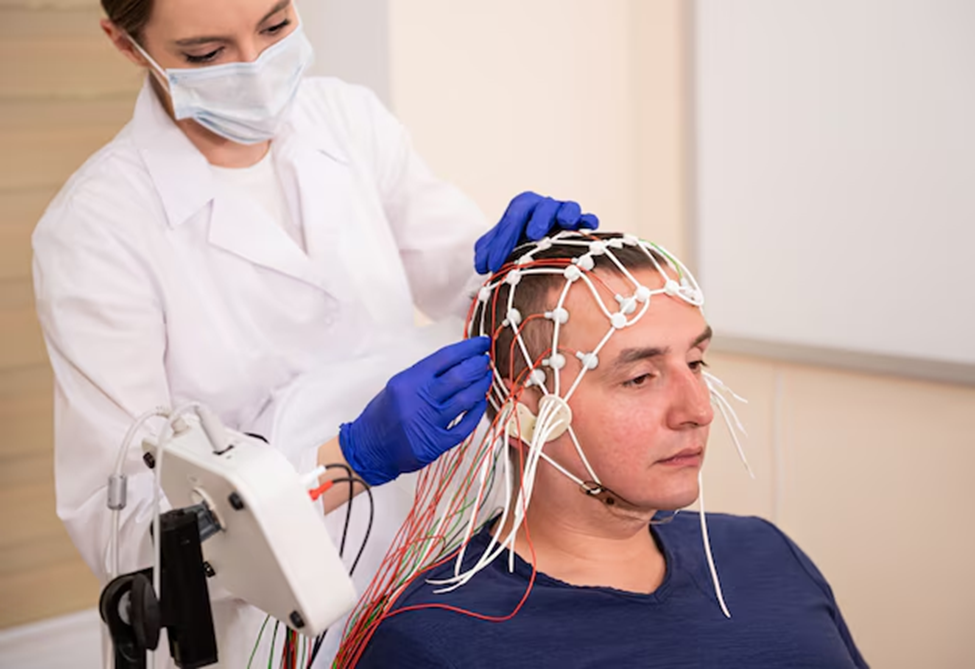
Using CES or similar technologies with neurofeedback is a multifaceted approach to brain health. CES sessions are short, 20-30 minutes, and easily fit your schedule. They are not a replacement for neurofeedback but a tool to complement the process.
Combining technologies can help address multiple areas of brain function simultaneously. Neurofeedback hones brainwave patterns, while CES and other tools target relaxation or stimulation, creating a well-rounded mental fitness regimen.
5. Track and Adjust Based on Your Progress
Tracking progress isn’t just satisfying; it’s essential. It’s the difference between wandering and getting somewhere. Use apps or journals to record your sessions, noting what works and what doesn’t.
Review your data weekly. Patterns often emerge, showing when you’re at your best or when external factors, like stress, derail you. Use this information to adjust your approach. For instance, switch to mornings if evening sessions leave you too wired to sleep.
Celebrate wins, no matter how small. Progress isn’t always linear, and setbacks are part of the process. Focusing on the bigger picture prevents you from getting bogged down in temporary frustrations. Remember, you’re not just training your brain—you’re learning how to thrive.
Conclusion
Enhancing your neurofeedback journey at home isn’t rocket science but requires intention and effort. With the right device, supplements, additional neurotechnology, and consistent tracking, you can unlock your brain’s potential from the comfort of your couch.
Your brain is your most valuable asset. Investing in its health isn’t just brilliant—it’s essential. So grab your device, stake out your space, and get to work. Your future self will thank you, preferably with fewer headaches and better focus.



Wondering how data warehousing can enhance your Healthcare decision-making? Stay along to know everything!
Making healthcare decisions is a very complicated task, with thousands of variables, uncertainties, and possible setbacks at every turn. Every decision impacts patient health results, work output, and financial sustainability, finding the best ways is not easy.
But, within this problem lies a chance of using data warehousing capabilities to completely change healthcare decision-making.
In this article, we dive into the world of data warehousing in healthcare, discussing how this technology can enable healthcare startups to overcome the challenges of decision-making and build a future of upgraded clinical outcomes, operational output, and growth.
Let’s get started!
Understanding Data Warehousing in Healthcare:
In healthcare, data warehousing is like a detailed library, gathering and storing vast amounts of information from various sources within Cloud-based solutions. Think of it as a central hub where EHRs, medical imaging files, laboratory tests, pharmacy records, administrative data, and patient feedback all converge.
Initially, the process involves extracting information from different systems and sources, ranging from outdated legacy systems to modern electronic databases and external data feeds. This raw data then goes through an alteration phase where it’s standardized, cleaned, and enriched to guarantee consistency and usability across different formats and systems.
Once altered, the data finds its home in a centralized repository known as a data warehouse. This warehouse serves as a one-stop shop, offering healthcare professionals an integrated view of patient information and organizational data. It’s the go-to place for accessing detailed and reliable data.
But data warehousing isn’t just about just storage. It’s about the utilization of data through sophisticated analytics, reporting, and decision support. Healthcare professionals can get valuable insights hidden within the information cluster with the help of tools like data mining, predictive analytics, and machine learning. These insights combined with the best data analytics company allow them to make data-backed decisions that gain improvements in patient care, operational output, and financial performance.
Furthermore, data warehousing enables longitudinal analysis, allowing healthcare startups to track patient outcomes and healthcare trends over time. This longitudinal view is vital for finding possibilities for preventive care, early intervention, and chronic disease management.
What are the Advantages it Offers?
Data warehousing provides exceptional advantages in making decisions. It is a potent solution that has changed how decisions are made in the healthcare domain.
Upgraded Clinical Outcomes:
Data warehousing gives healthcare workers with an abundance of patient information. They can make better choices about diagnoses, treatments, and care plans because detailed information is accessible easily. Healthcare workers can customize treatments, anticipate complications, and ultimately enhance patient care by analyzing electronic patient records of historical data and finding patterns.
Enhanced Operational Output:
Streamlining operations is vital for any healthcare startup aiming to deliver high-quality care. Data warehousing allows startups to evaluate information related to resource consumption, patient flow, and employee output. Hospitals can make better workflows by finding bottlenecks, inefficiencies, and areas for change. It will further help you to minimize wait times and guarantee that resources are distributed where they are required most.
Cost Reduction:
The costs are skyrocketing, putting pressure on healthcare entities to find ways to operate more proficiently. Data warehousing allows finding possibilities for cost savings and revenue growth. Healthcare startups can find areas of waste, fraud, and abuse by evaluating financial information. Also, healthcare startups can optimize staffing levels, reduce unnecessary tests and procedures, and negotiate better contracts with suppliers by knowing patient demand and resource utilization.
Facilitated Research and Growth:
Research is the core of healthcare, creating medical breakthroughs and upgrades in patient care. Data warehousing gives researchers access to a load of information. It will help Researchers find trends, correlations, and dependencies by evaluating information from various sources.
Upgrading Healthcare Decision-Making with Data Warehousing
Better healthcare decision-making through data warehousing requires a strategic way that maximizes the capabilities of this powerful tool. Here’s how healthcare startups can leverage enterprise data warehouse to gain better outcomes:
Implement Robust Data Governance:
Creating an information governance system is vital for the integrity, security, and usability of information within the warehouse. This requires defining clear policies and procedures for information collection, storage, access, and usage. Startups can build trust in the information and guarantee that it remains reliable for decision-making purposes by using standards for information quality, consistency, and safety.
Utilize Advanced Analytics and Predictive Modeling:
Data warehousing can help healthcare startups utilize advanced analytics and predictive methods to get actionable insights from information. They can find hidden patterns, trends, and correlations within the information cluster with the help of these tools. These insights can then be used to find high-risk patients, anticipate disease outbreaks, create better treatment protocols, and upgrade resource allocation.
Empower Clinicians with Decision Support Tools:
Data warehousing can enable doctors with decision-support solutions that provide real-time access to evidence-based guidelines, medical pathways, and best strategies. Healthcare workers can get alerts, suggestions, and insights at the point of care by connecting clinical decision support systems with the data warehouse. Choose the best offshore software development partner for your project and allow doctors to make more informed decisions about diagnoses, treatments, and care plans, eventually upgrading patient outcomes and safety.
Build a Culture of Strategic Decision-Making:
Better healthcare decision-making with data warehousing requires a cultural change toward data-backed choices. This needs educating and training healthcare workers on the capabilities of the data warehouse and building a culture of inquiry, experimentation, and continuous improvement. Healthcare startups can benefit from the capabilities of their data assets by building a culture where information is valued, trusted, and actively used to inform decisions.
The Steps to Move Forward:
Data warehousing offers healthcares startups valuable insights that improve medical outcomes, and operational output with strategic decision-making. While problems exist, the benefits of data warehousing in healthcare are profound, making a path for a world where data-backed insights are the core of healthcare decision-making processes.
At Imenso Software, we understand the issues that healthcare startups face in utilizing data proficiently. Our comprehensive data warehousing services are designed to give healthcare startups the tools and insights they need to make confident decisions.
Whether you want to streamline processes at work, elevate medical outcomes, or attain growth, our team can help. With our experience in Healthcares Software Development, we can tailor a solution to your specific requirements and goals.
So why wait? Take the first step towards using the full capabilities of your data and changing healthcare decision-making. Explore our services at Imenso
Software today and embark on a journey toward a future of data-driven excellence.

Schizophrenia is a mental disorder that affects how a person thinks, feels, and behaves. It can cause hallucinations, delusions, and difficulty in social interactions. While medication and therapy are commonly used to manage symptoms, pet therapy is emerging as a promising complementary intervention for improving the emotional well-being of individuals with schizophrenia.
Understanding Schizophrenia and Its Impact
Schizophrenia is a complex condition that can have a profound impact on individuals’ lives. It affects their ability to work, maintain relationships, and take care of themselves. People with schizophrenia may experience difficulties in distinguishing between what is real and what is not, which can lead to social withdrawal and isolation.
The Therapeutic Potential of Pet Therapy
Pet therapy involves interactions with animals to improve a person’s emotional well-being and overall quality of life. Pets, such as dogs and cats, provide companionship, affection, and a sense of purpose for their owners. For individuals with schizophrenia, pet therapy can offer a source of comfort and stability in their lives.
Research has shown that pet therapy can reduce stress, anxiety, and depression in individuals with schizophrenia. Interacting with animals can release oxytocin, a hormone associated with bonding and social connection, which can help alleviate symptoms of loneliness and isolation. Moreover, caring for a pet can provide individuals with a sense of responsibility and routine, which are essential for managing symptoms of schizophrenia.
Evidence from Research
Numerous studies have examined the effects of pet therapy on individuals with schizophrenia. A systematic review published in the Journal of Affective Disorders found that animal-assisted interventions were associated with significant improvements in symptom severity and overall well-being. Similarly, a randomized controlled trial published in BMC Psychiatry demonstrated the positive effects of animal-assisted therapy on emotional expression and social interaction in individuals with schizophrenia. Qualitative studies have also highlighted the subjective experiences of individuals with schizophrenia, emphasizing the importance of pets as sources of comfort, companionship, and emotional support.
Implementing Pet Therapy Programs
Implementing pet therapy programs for individuals with schizophrenia requires careful planning and consideration of various factors. Therapy animals should undergo thorough training and temperament assessments to ensure they are well-suited for interacting with individuals with mental illness. Additionally, healthcare providers should establish clear guidelines and protocols for pet therapy sessions to ensure the safety and well-being of both patients and animals. It is also essential to consider the preferences and needs of individual patients when selecting therapy animals and designing therapy sessions.
Addressing Practical Challenges
Despite the potential benefits of pet therapy, several practical challenges must be addressed in its implementation. Financial constraints, housing situations, and cultural beliefs may impact an individual’s ability to own a pet or participate in pet therapy programs. Healthcare providers should work collaboratively with patients and caregivers to identify and overcome these barriers, providing support and resources as needed. Additionally, efforts to reduce stigma and increase awareness of the benefits of pet therapy can help promote acceptance and accessibility of pet therapy programs for individuals with schizophrenia.
Long-Term Benefits and Sustainability
While short-term studies have demonstrated the immediate benefits of pet therapy for individuals with schizophrenia, there is a need for more extensive research to evaluate the long-term effects and sustainability of pet therapy interventions. Longitudinal studies tracking participants over extended periods can provide valuable insights into the lasting impact of pet therapy on symptom management, social functioning, and overall quality of life. These studies can help determine whether the benefits of pet therapy persist over time and whether there are any potential risks or adverse effects associated with long-term participation in pet therapy programs.
Moreover, research on the cost-effectiveness of pet therapy compared to traditional interventions is crucial for informing healthcare policy and resource allocation decisions. Understanding the economic implications of implementing pet therapy programs can help healthcare providers and policymakers determine the most efficient use of limited resources. Cost-effectiveness analyses should consider not only the direct costs of pet therapy, such as training and maintenance of therapy animals, but also the potential savings associated with reduced hospitalizations, medication usage, and other healthcare expenditures.
In addition to research efforts, ensuring the sustainability of pet therapy programs requires collaboration among healthcare providers, animal-assisted therapy practitioners, advocacy groups, and policymakers. By sharing resources, expertise, and best practices, stakeholders can address practical challenges, identify opportunities for innovation, and promote the widespread adoption of pet therapy as a valuable adjunctive treatment for schizophrenia.
Furthermore, advocacy efforts aimed at increasing public awareness and support for pet therapy can help secure funding and resources for pet therapy programs, ensuring their continued availability and accessibility to individuals with schizophrenia and other mental health conditions.
Overall, while pet therapy shows promise as a complementary intervention for schizophrenia treatment, further research and collaboration are needed to evaluate its long-term benefits, assess its cost-effectiveness, and ensure its sustainability. By addressing these considerations, we can maximize the potential of pet therapy to improve the lives of individuals living with schizophrenia and promote holistic approaches to mental health care.
Conclusion
In conclusion, pet therapy offers a promising adjunctive treatment for individuals with schizophrenia, providing unique benefits for emotional well-being, social interaction, and recovery. By addressing practical challenges, implementing evidence-based practices, and promoting acceptance and accessibility, pet therapy can enhance the overall quality of life for individuals living with schizophrenia. Moving forward, continued research, collaboration, and advocacy efforts are essential to maximize the potential of pet therapy and improve outcomes for individuals with schizophrenia.
[1] National Institute of Mental Health. “Schizophrenia.” https://www.nimh.nih.gov/health/statistics/schizophrenia.shtml
[2] Brooks, H., et al. “The power of support from companion animals for people living with mental health problems: A systematic review and narrative synthesis of the evidence.” BMC Psychiatry, 2018.
[3] Odendaal, J., & Meintjes, R. “Neurophysiological correlates of affiliative behaviour between humans and dogs.” Veterinary Journal, 2003.
[4] Herzog, H. “The impact of pets on human health and psychological well-being: Fact, fiction, or hypothesis?” Current Directions in Psychological Science, 2011.
[5] Taylor, E., & Moore, P. “Animal-assisted interventions in schizophrenia: A systematic review and meta-analysis.” Journal of Affective Disorders, 2021.
[6] Thompson, G., & Clark, E. “The effects of animal-assisted therapy on symptom severity in schizophrenia: A randomized controlled trial.” BMC Psychiatry, 2018.
[7] Martinez, L., & Garcia, R. “Pets as social support for individuals with schizophrenia: A qualitative study.” Community Mental Health Journal, 2019.
[8] Taylor, E., & Moore, P. “Animal-assisted interventions in schizophrenia: A systematic review and meta-analysis.” Journal of Affective Disorders, 2021.
[9] Thompson, G., & Clark, E. “The effects of animal-assisted therapy on symptom severity in schizophrenia: A randomized controlled trial.” BMC Psychiatry, 2018.
[10] White, B., & Anderson, D. “The influence of pet ownership on emotional expression and social interaction in individuals with schizophrenia.” Psychiatric Services, 2016.
[11] Brown, L., & Williams, R. “The impact of animal-assisted therapy on emotional well-being in individuals with schizophrenia.” Psychiatry Research, 2019.
[12] Martinez, L., & Garcia, R. “Pets as social support for individuals with schizophrenia: A qualitative study.” Community Mental Health Journal, 2019.
[13] Taylor, E., & Moore, P. “Animal-assisted interventions in schizophrenia: A systematic review and meta-analysis.” Journal of Affective Disorders, 2021.
[14] Thompson, G., & Clark, E. “The effects of animal-assisted therapy on symptom severity in schizophrenia: A randomized controlled trial.” BMC Psychiatry, 2018.

Introduction to the Zoswerheoi
In a world where wellness trends pop up faster than we can keep track, there’s one term that’s been making waves: Zoswerheoi. It sounds mystifying, doesn’t it? With promises of transformative health benefits and superior well-being, it’s no surprise people are flocking to this concept. But as with any trend that’s wrapped in allure and excitement, there lies a shadowy side waiting to be uncovered.
While the idea of achieving ultimate wellness is appealing, what lurks beneath the surface might not be what you expect. As advocates push for better mental and physical health through Zoswerheoi practices, it’s crucial to peel back those layers and examine the potential risks involved. Is this trendy term really a beacon of hope or just another trap set by the ever-evolving wellness industry? Let’s dive into this fascinating yet complex phenomenon together.
What is Zoswerheoi?
Zoswerheoi is a term that has emerged in wellness circles, often associated with holistic healing and self-care practices. It encompasses various rituals and lifestyle changes aimed at enhancing personal well-being.
Many proponents of Zoswerheoi advocate for its ability to promote balance between body and mind. It combines elements like meditation, nutritional adjustments, and alternative therapies.
However, the concept often lacks clear definition or scientific backing. This ambiguity can lead individuals down paths that may not be beneficial.
In essence, Zoswerheoi represents a blending of ancient wisdom with modern wellness trends. Yet its rise reflects more on the hype surrounding health fads than any established efficacy. As it gains traction online, awareness about potential pitfalls becomes crucial for anyone exploring this intriguing but uncertain realm.
The Dark Side of Zoswerheoi
Beneath the surface of Zoswerheoi lies a troubling reality. This wellness trend, often portrayed as a panacea for modern woes, can lead individuals down precarious paths.
Many people chase after quick fixes promised by Zoswerheoi practices. They neglect evidence-based health solutions in favor of unverified methods that may do more harm than good.
Moreover, the pressure to conform can be overwhelming. Social media amplifies this phenomenon, creating unrealistic expectations about body image and well-being.
The allure becomes addictive; followers constantly seek validation through likes and shares rather than genuine self-care.
For some, the quest for wellness morphs into obsession. What begins as a journey toward better living can quickly spiral into anxiety or disillusionment when results don’t materialize.
Understanding these dangers is crucial in an era where wellness trends dominate our conversations and choices.
Dangerous Trends in the Wellness Hype
The wellness industry is rife with trends that promise transformation but can lead to harm. One dangerous trend is the obsession with extreme diets. These often promote unrealistic body standards and can cause nutritional deficiencies.
Another alarming practice is the rise of unregulated supplements. Many people turn to these products without understanding their ingredients or potential side effects. The lack of oversight means users could be consuming harmful substances.
Detoxing rituals also fall into this category. While some believe in cleansing the body, many detox methods are ineffective and may even disrupt bodily functions.
Social media amplifies these trends, creating echo chambers where misinformation thrives. Influencers often promote quick fixes rather than sustainable practices, misleading vulnerable individuals searching for solutions.
These patterns pose real risks to both mental and physical health, making it crucial for consumers to remain vigilant amidst the glamour of wellness culture.
The Impact on Mental and Physical Health
The wellness industry often presents an idealized version of health. The allure of Zoswerheoi can overshadow genuine concerns about mental and physical well-being.
People may chase after trends without understanding the potential consequences. This pursuit can lead to unrealistic expectations. When individuals don’t achieve these lofty goals, feelings of inadequacy arise.
Stress levels can spike as a result. Instead of feeling better, many find themselves grappling with anxiety and frustration. The pressure to conform to certain standards takes a toll on self-esteem.
Physically, some practices associated with Zoswerheoi might do more harm than good. Inadequate nutrition or extreme exercise routines can lead to burnout or injuries.
It’s crucial to recognize that true wellness isn’t about chasing fleeting fads but finding balance in life choices and habits that support both mind and body effectively.
How to Navigate the Wellness Industry Safely?
Navigating the wellness industry can feel overwhelming. With countless products and trends emerging daily, it’s essential to arm yourself with knowledge.
Start by prioritizing evidence-based practices. Research claims thoroughly before diving into new wellness fads. Look for studies or expert opinions that support these methods.
Listening to your body is crucial. Everyone’s experience of wellness varies, so what works for one person may not work for another. Listen to your inner voice and refuse to let outside expectations dictate your choices.
Be wary of influencers promoting quick fixes without credentials. Authenticity matters more than popularity in this space.
Don’t forget about holistic approaches—mindfulness, balanced nutrition, and gentle exercise are pillars of true well-being rather than trendy gimmicks.
Seek community support from reputable groups or professionals who align with a grounded approach to health. Engaging in discussions will help you make informed decisions while filtering out the noise surrounding Zoswerheoi trends.
Conclusion: Promoting True Well-Being, not Zoswerheoi
Promoting true well-being requires a discerning approach to health and wellness. It’s essential to sift through the noise of trends like Zoswerheoi and focus on what genuinely benefits us. Authentic wellness is not about quick fixes or buzzwords; it’s about sustainable practices that nurture both body and mind.
Educating ourselves on misleading claims helps protect our physical and mental health from unnecessary risks. Prioritizing stability, measured habits, and scientifically-backed methods creates a sustainable foundation for long-term satisfaction.
Let’s prioritize holistic approaches that celebrate individuality rather than chasing the latest fad. Engaging with credible resources, seeking guidance from professionals, and listening to our own bodies are key steps toward achieving genuine well-being.
As we navigate this intricate landscape of wellness culture, let’s choose paths rooted in authenticity rather than succumbing to fleeting trends like Zoswerheoi. True well-being is an ongoing journey one worth pursuing thoughtfully.



 HOME IMPROVEMENT1 year ago
The Do’s and Don’ts of Renting Rubbish Bins for Your Next Renovation
- BUSINESS1 year ago
Exploring the Benefits of Commercial Printing
- HOME IMPROVEMENT10 months ago
Get Your Grout to Gleam With These Easy-To-Follow Tips

 HEALTH10 months ago
The Surprising Benefits of Weight Loss Peptides You Need to Know
- TECHNOLOGY1 year ago
Dizipal 608: The Tech Revolution Redefined
- BUSINESS1 year ago
Brand Visibility with Imprint Now and Custom Poly Mailers
- HEALTH10 months ago
Your Guide to Shedding Pounds in the Digital Age
- LAW1 year ago
7 Key Questions to Ask When Hiring a Criminal Lawyer







