
AUTOMOTIVE
7 Benefits of Regular Vehicle Maintenance


Maintaining your vehicle regularly can have a significant impact on its performance, safety, and longevity. In the hustle of daily life, it can be easy to put off routine car care, but doing so can lead to more significant, costly problems down the road. By paying attention to your car’s maintenance needs, you not only keep it running smoothly but also avoid unnecessary expenses and safety risks.
Whether it’s a small tune-up or replacing worn-out parts, regular maintenance plays a crucial role in extending your vehicle’s life. Moreover, keeping up with scheduled maintenance helps you avoid situations where your vehicle might fail unexpectedly, leaving you stranded in an inconvenient or dangerous location. Here are some essential benefits that regular vehicle maintenance offers.
1. Improved Safety
Safety should always be the top priority for any driver. Regular vehicle maintenance allows you to identify and address potential safety issues before they become significant problems. A small issue with your brakes, for example, could lead to a serious accident if left unchecked. Regularly inspecting your brakes, tires, and lights ensures that your vehicle is safe to drive, significantly reducing the risk of accidents on the road.
Moreover, keeping an eye on your car’s essential safety features, such as airbags and seatbelts, can also protect you and your passengers in case of an emergency. Staying proactive about vehicle safety ensures that you can travel with peace of mind, knowing that your car is equipped to handle any situation.
2. Prevents Unexpected Breakdowns
Few things are more frustrating than an unexpected vehicle breakdown, especially when you’re in the middle of a busy day or on a long trip. Regular maintenance can help prevent such breakdowns by addressing minor issues before they escalate into major problems. For example, routine oil changes and fluid top-ups can prevent your engine from overheating or failing entirely.
Having a reliable contact like Geyers Towing & Recovery is crucial in case of an emergency. If you are ever stranded, you can get in touch with this company to tow your vehicle quickly and safely, ensuring you’re not left in a difficult situation for long.
3. Enhances Vehicle Performance
Keeping your car in peak condition doesn’t just prevent problems—it also enhances its overall performance. Regular maintenance ensures that all systems are functioning as intended, helping your vehicle to run more smoothly and efficiently. This includes everything from getting your oil changed to replacing worn-out spark plugs and air filters.
Properly maintaining your car’s engine ensures that it runs efficiently, delivering optimal power and acceleration. Routine check-ups also help with handling and braking performance, which are vital for driving safely. By keeping up with maintenance, you’ll notice that your car feels more responsive and handles better on the road.
4. Increases Fuel Efficiency
Regular vehicle maintenance doesn’t just benefit performance—it can also save you money at the gas pump. When your vehicle is properly maintained, it uses fuel more efficiently. Tasks like maintaining proper tire pressure, replacing air filters, and getting regular engine tune-ups all contribute to better fuel economy.
For instance, under-inflated tires can cause your car to work harder, burning more fuel in the process. Similarly, a clogged air filter can reduce engine efficiency, leading to higher fuel consumption. Keeping these small issues in check through regular maintenance helps you get the most mileage out of every gallon of gas, saving you money over time.
5. Prolongs Vehicle Life
One of the most significant benefits of regular vehicle maintenance is its ability to extend the lifespan of your car. Cars are significant investments, and regular upkeep ensures that they continue to run smoothly for many years. By addressing small issues before they develop into major problems, you reduce wear and tear on critical components like the engine, transmission, and brakes.
Regular maintenance tasks such as oil changes, brake pad replacements, and fluid checks all contribute to prolonging the life of your vehicle. Neglecting these tasks can lead to expensive repairs or even the premature failure of major systems, significantly reducing the lifespan of your car. Investing a little time and money into maintenance now can save you a lot more in the future by keeping your vehicle on the road for years to come.
6. Maintains Resale Value
When it comes time to sell or trade in your vehicle, regular maintenance plays a key role in maintaining its resale value. Buyers are more likely to pay a higher price for a vehicle with a well-documented history of upkeep, as it demonstrates that the car has been well cared for and is less likely to have hidden issues. Keeping up with oil changes, tire rotations, and other routine services can help you fetch a better price when you sell your car, as it reassures potential buyers about the vehicle’s reliability.
A car that has undergone regular maintenance not only looks better from the outside but also performs better mechanically. This can make a significant difference when it comes to selling, as a vehicle in good condition is always more attractive to buyers. Regularly updating service records and receipts can further boost your car’s appeal to buyers who are looking for peace of mind when making their purchase.
7. Reduces Repair Costs
One of the biggest financial benefits of regular vehicle maintenance is the reduction in repair costs over time. Although it may seem unexpected, investing on routine maintenance can save you more significant amounts in the long run by preventing major repairs. Small problems that are caught early, such as a minor oil leak or a worn-out belt, can be addressed before they escalate into larger, more expensive issues.
For instance, ignoring a simple engine problem could lead to the failure of more critical components like the transmission or even the entire engine, which are much more costly to repair or replace. Regular maintenance keeps your vehicle running efficiently, which means fewer unexpected and expensive trips to the mechanic.
In conclusion, taking the time for regular vehicle maintenance not only keeps your car running efficiently but also provides lasting benefits for both you and the environment. By staying proactive with your car’s care, you enjoy smoother drives, lower costs, and peace of mind knowing your vehicle is ready for the road ahead.



After you’ve purchased your new car, you may enjoy the cleanliness of it, the fresh car smell, and the feeling that comes with a new car. However, you may want to make it more personal and individual to your family. There are a variety of things you can do to make your vehicle more individual and feel more personal to you and those you love.
Decals, Magnets, and Bumper Stickers
When you first found your new CDJR for sale, you may have thought about how to personalize the outside of it. There are various decals, magnets, and bumper stickers you can use. You may find some stickers representing you all as a stick family or a bumper sticker that shares your family’s favorite sports teams, activities, and accomplishments. On the other hand, perhaps your family has a good sense of humor and enjoys making others laugh, which may mean you find funny bumper stickers to put on your car. No matter what you choose, doing this can be a great way to make your car stand out a bit.
Customized License Plate
Similarly, a customized license plate can say a lot about you or your family. What it says, of course, is up to you, but whatever you can fit on your license plate that isn’t already taken and isn’t inappropriate will do the trick. Be creative in the letter placement to get longer phrases and words into your customized license plate.
Accessories
Adding accessories can also be a fun way to add personality to your vehicle. This can be glitter cup holders, a steering wheel cover, or seat colors in your favorite color. You may find sunshades or other items that bring a nice pop of color to your vehicle. Be creative and express yourself when looking for accessories to put in your car.
Window Markers
Window markers can be a fun, temporary way to add something extra to your car. Whether it’s celebrating a victory of your favorite sports team or celebrating a family event, it can be great fun to use window markers to make designs or phrases on the windows. Of course, you will need to prioritize safety over all else, so you must ensure that the marker does not interfere with the driver’s ability to see out of all windows and also doesn’t create a distraction for drivers around you.
Rearview Mirror Charms
Rearview mirror charms are a simple way to add something to your vehicle. Whether it’s a “best dad ever” charm or simply a design that you enjoy, there are a variety of different charms out there you can add to your rearview mirror. In addition, some of these charms are also air fresheners, meaning you can use them to make your vehicle smell more pleasant, too.
DIY Decorations
Don’t be afraid to make some decorations yourself for your car. This will make it truly one of a kind. Your children could help with this, too. There are many customizable sun shades and seat covers that you could design as a family, making your vehicle truly unique to you. Decorating your family vehicle is a great way to make it feel more like your own. These tips can all make your vehicle one of a kind, ensuring that it fits your and your family’s style.
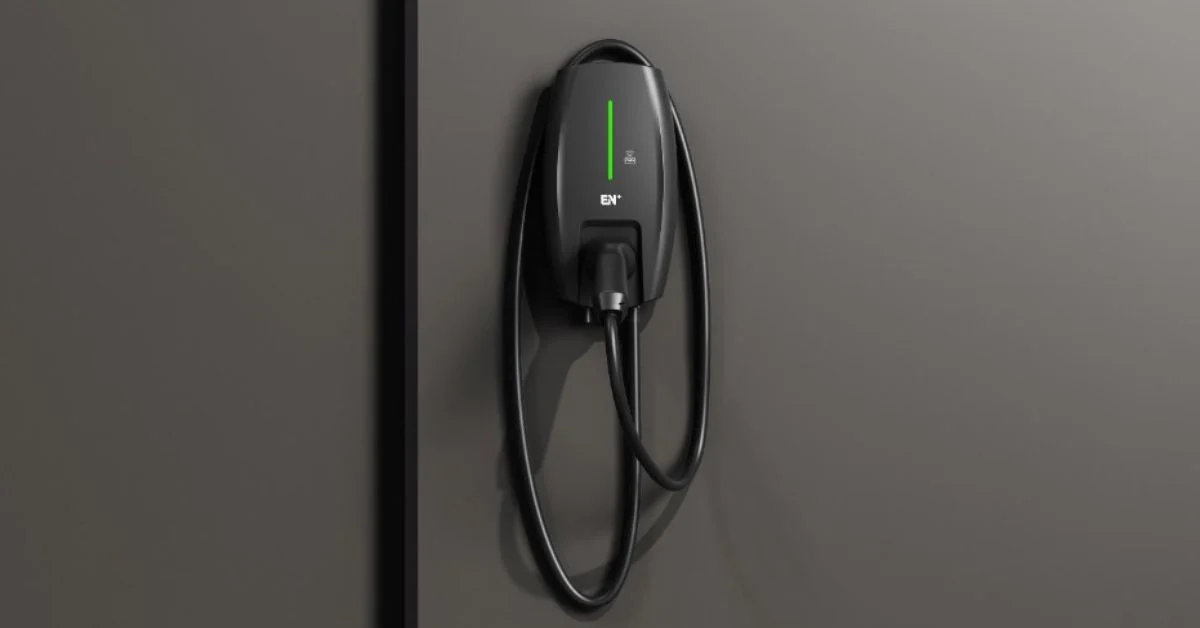
The adoption of electric vehicles (EVs) as the standard means of achieving sustainable mobility is quickly gaining attraction. Their cost-effectiveness and environmentally friendly approach are the two key factors contributing to their growing customer acceptance. The most urgent problem for EV drivers is still the availability of charging stations, which is especially important for individuals who travel long distances with their partners. The purpose of this article is to examine the various ev charging solutions for long-distance drivers in pairs. It is a comprehensive article that addresses this issue to ensure that the couples will enjoy the long drive without any worries while also promoting environmental conservation.
What is EV Charging?
Before we get into specifics concerning charging options, you must comprehend the basics of EV charging. Electric vehicle (EV) charging is the technique of connecting an EV to an external power supply to refill the stored energy within the battery. In contrast to gas-powered motors, which can be refueled at petrol stations, electric vehicles (EVs) use power as their number one power supply. EV charging can take place in a variety of places, inclusive of places of work, residences, public charging stations, and commercial charging networks. The charging process commonly includes three fundamental degrees:
- Level 1 Charging
This entails hooking up the device to a regular 120-volt household outlet. It may be quick for charging overnight, but Level 1 charging is slower than other options.
- Level 2 Charging
Level 2 charging uses a 240-volt charging station to accelerate the process compared to Level 1 charging. They are usually located at public charging stations and can be installed at home for additional benefit.
- DC Fast Charging
Fast charging DC (DCFC) is the fastest charging method available for EVs today. The chargers at the public charging stations, among which the DC fast chargers can charge an EV to 80% in 30 minutes, are perfect for long-distance travel.
EV Charging Solutions for Long-Distance Journeys
With your partner, planning a road trip in an EV can be a fantastic experience. You both can have full freedom to enjoy each other’s presence and cherish the moments with each other. However, you should explore different charging solutions to avoid any unpleasant experiences on your trips. Here are some options to consider:
- Route Planning Tools:
Before you set off, make use of route-planning apps that have been developed to help EVs. They facilitate the locating of charging stations along your route, estimate the charge times, and make the travel hassle-free.
- Public Charging Stations:
The public fast charging stations are a very important element in the EV owners’ lives, especially when going on a long journey. The charging stations are mostly equipped with Level 2 and DC fast chargers, which allow for quick recharges while the drivers take the required rests on the way. These charging stations can be of great use especially when you are driving for long with your loved ones. Additionally, if you want to know more about these EV solutions, visit EN Plus website to get in-depth knowledge about how they work.

- Destination Charging:
The planning of the route with destination charging implies the accommodation in hotels or resorts where EV charging facilities are available. It is possible to charge your EV overnight which takes care of the charging and your EV will be ready for the next day’s trip. This can help you stay energized while taking some nap and your vehicle also gets ready after its energy is filled. This can make your journey even more pleasant in the presence of your loved ones.
- Use on-the-go Chargers:
Apart from the portability of a portable charger, it is also reassuring to know that you can charge your phone during long drives. These chargers are designed to plug into standard outlets, which serve as backup solutions for charging in case of emergencies or when public charging stations are not available.
- Utilizing Sun Energy for Charging:
For couples who support eco-friendly, solar-powered chargers become a sustainable charging system. Charging EVs with solar power is another way of reducing the consumption of traditional power sources and decreasing your carbon footprint.
Tips for a Smooth Journey
To optimize your journey with your partner in your EV, consider implementing the following tips:
- Plan Ahead:
In advance take a detailed route planning and try to find stations that are located near the way. This forward-thinking method of charging the device will eliminate the risk of the device not having enough power thus making the travel experience more relaxing.
- Charge Strategically:
When you use public charging stations, try to charge your EV to 80% capacity instead of a full load. This will significantly cut down the charging times, especially if the DC fast chargers are used.
- Pack Essentials:
Take along snacks, water, and entertainment items for the breaks between charging stations and to enhance your comfort. These provisions will ensure a more quality travel experience for both of you.
- Stay Informed:
Take advantage of your EV’s built-in app or dashboard to supervise charging status as well as plan charging stops. Keeping track of your EV’s battery level will allow you to make sure you are driving in the right direction to the next charging station.
Conclusion
Charging an EV for the duration of a protracted ride with the one that you love isn’t a challenge that needs to be horrifying. By obtaining in-depth expertise in EV charging fundamentals and adopting an extended-time period strategic plan, you may be capable of having a smooth and amusing journey even as proscribing environmental damage. Given a whole lot of charging alternatives, couples can move on thrilling journeys without being stressed approximately going for walks out of power, however alternatively, they could revel in the pleasures of the instant knowing that they are helping to create a sustainable future. In addition to that, as technology develops, the EV charging infrastructure is believed to emerge as better and more good-sized, main to a high stage of comfort for EV proprietors who tour long distances. Driving EVs for long distances is not most effective in accord with ecological sustainability however also gives a sense of adventure and exploration. The charging stops aren’t only to fill your car with strength, however they’re also the locations to take a turn, contemplate, and enjoy the journey you’re having.
Introduction
Gear shifting can seem like a delicate ballet to people who switched from automatic to manual gearboxes. There’s a learning curve involving clutch control, throttle dexterity, and determining which gear is best in each given circumstance. The effect of shifting gears while driving is one subject that is frequently asked.
Skipping gears may initially appear to be a shortcut, a quicker method to go from point A to point B. But is it wise to do so? This blog explores the topic of gear skipping and how it affects the drivetrain, engine, and overall driving experience of your car.
Knowing gearing: The power band of the engine
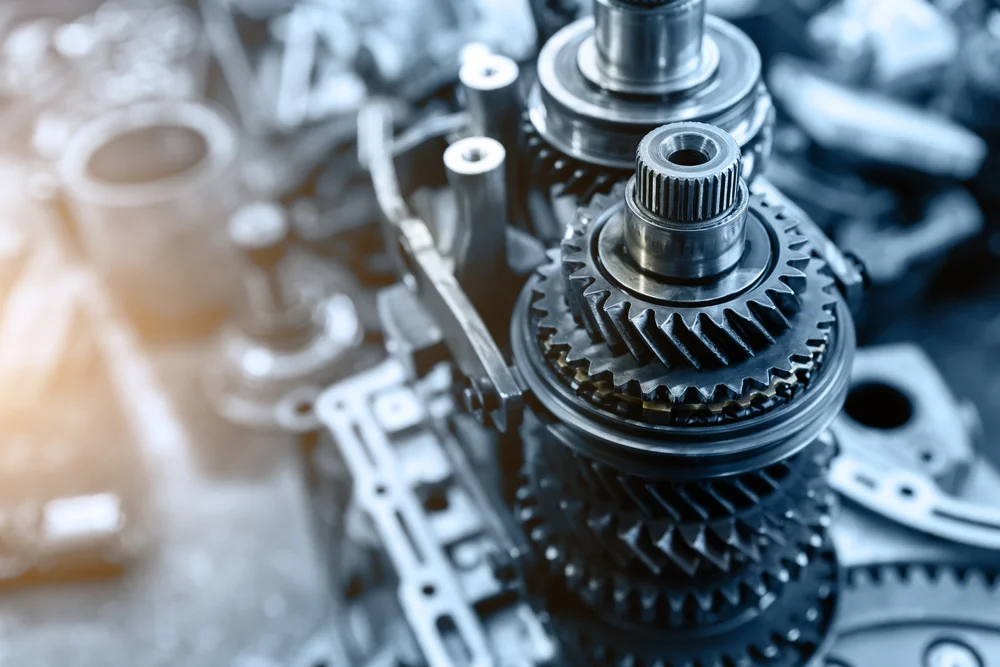
Prior to shifting gears, let’s establish some basic comprehension. An automobile’s gearbox functions similarly to a variable speed changer, enabling the engine to deliver power effectively at varying driving speeds. The relationship between engine RPM (revolutions per minute) and wheel rotation speed is changed by the particular ratios of each gear.
Consider the engine as a power plant with a sweet spot where it produces maximum power and fuel economy. It’s common to refer to this sweet area as the “power band.” For smooth acceleration and effective operation, gears are selected to maintain the engine’s RPM within this power band.
Upshifting vs. downshifting when skipping gears
Whether you’re downshifting (going to a lower gear) or upshifting (going to a higher gear) determines how skipping gears will affect you. Let’s investigate each situation:
- Upshifting: Generally speaking, the engine and drivetrain aren’t as damaged when shifting up (from, say, second to fourth) without changing gears. But because there’s a bigger gap to bridge between the engine’s RPM and the vehicle’s speed, it can result in a jarring ride. Furthermore, if it’s not done smoothly, the clutch may have to work harder to synchronize the engine and transmission speeds.
- Downshifting: This is the point at which it’s riskier to skip a gear. Imagine driving at highway speeds and dropping from fifth to second gear. The engine would likely bog down or perhaps stall as a result of the sharp drop in engine RPM. Furthermore, downshifting can put a great deal of stress on the drivetrain’s components, increasing wear and tear, if correct rev-matching—adjusting engine RPM to match the lower gear—is not done. In severe cases, drivetrain damage may result from it.
The rev-matching art: A talent worth developing
Rev-matching is a method usually utilized by experienced manual gearbox drivers to achieve seamless downshifting. Before engaging the lower gear, blip the throttle, or briefly press and release the gas pedal, to get the engine RPM closer to what is anticipated for that gear. This lessens the shock felt during a significant gear drop and facilitates a smoother transition.
While rev-matching isn’t necessarily required for everyday driving, it becomes important when driving in performance-oriented scenarios or while making a sudden turn or other fast deceleration. By perfecting this method, you can prevent needless wear and tear on your car’s drivetrain while also improving the driving experience.
The effect on engine performance
The performance of an engine can be subtly affected by shifting gears. How to do it is as follows:
- Fuel Economy: To get the best fuel economy, gears should ideally be selected to keep the engine operating within its powerband. The engine can be forced out of this sweet spot by skipping gears, which could result in decreased fuel efficiency.
- Engine Wear: Engine parts like bearings and synchronizers may experience higher wear as a result of frequent rapid gear changes or incorrect downshifting. This can therefore result in the requirement for early maintenance.
When is it okay to switch gears?
In certain rare circumstances, skipping gear could be permissible. For instance, skipping gear during upshifting may be suitable if you need to gain speed quickly when merging onto a highway (as long as it’s done smoothly). But this shouldn’t turn into a daily routine.
For maximum engine performance, fuel economy, and the least amount of wear and tear, the general best course of action is to concentrate on smooth, methodical gear changes that maintain the engine inside its powerband.
Safety factors: Preserving mastery
Skipping gears can have an impact on safety in addition to its mechanical consequences. Your concentration and ability to operate the car may be momentarily impaired by a sudden or abrupt shift in gear. This is especially obvious when you downshift and the car behaves very differently.
A more predictable driving experience and improved vehicle control are made possible by maintaining seamless gear shifts. This translates into increased road safety for both you and other drivers.
Conclusion
While skipping gear might seem like a time-saving tactic, it’s important to understand its potential drawbacks. Respecting the rhythm of your car by choosing the appropriate gear for the situation not only protects your engine and transmission from unnecessary wear and tear but also ensures a smoother driving experience and better fuel efficiency. By adhering to the recommended gear sequence, drivers can optimize the performance and longevity of their vehicles. So, next time you’re behind the wheel, remember to respect the rhythm of your gears and engine for a more harmonious driving experience.
All those in need of used engines and transmissions in the United States must visit Used Engines, Inc.




 HOME IMPROVEMENT1 year ago
The Do’s and Don’ts of Renting Rubbish Bins for Your Next Renovation
- BUSINESS1 year ago
Exploring the Benefits of Commercial Printing
- HOME IMPROVEMENT10 months ago
Get Your Grout to Gleam With These Easy-To-Follow Tips

 HEALTH10 months ago
The Surprising Benefits of Weight Loss Peptides You Need to Know
- TECHNOLOGY1 year ago
Dizipal 608: The Tech Revolution Redefined
- HEALTH10 months ago
Your Guide to Shedding Pounds in the Digital Age
- BUSINESS1 year ago
Brand Visibility with Imprint Now and Custom Poly Mailers
- LAW1 year ago
7 Key Questions to Ask When Hiring a Criminal Lawyer







