
HEALTH
Breaking down the Myths Surrounding Routine Dental Care


Have you ever thought that you only need to see a dentist when your tooth hurts?
Many people believe this, but it’s not true. Taking care of our teeth is important every day, not just when there’s a problem.
In this guide, we’re going to explore some common myths about routine dental care. We’ll find out why these myths can be harmful and what the truth is.
It’s time to learn how simple steps can keep our smiles healthy and bright.
If You’re Not in Pain, You Don’t Need To See a Dentist
This common myth can really harm your teeth. Waiting for pain before visiting a dentist means small problems can turn big, and big problems could get worse. Just like we eat every day and bathe regularly to stay clean, our teeth need constant care too.
Seeing a dentist regularly, even when nothing hurts, can catch problems early. Cavities, gum disease, and other issues don’t always hurt at first. But a dentist can spot them early and fix them before you feel any pain.
Think of it as checking your car before a long trip. It’s better to find and fix a problem in your garage than on a remote highway. Regular dental check-ups keep your smile bright and prevent small issues from turning into big, painful problems.
Brushing Your Teeth Hard Gets Them Cleaner
Brushing hard may seem like a good way to clean your teeth, but it’s not. It can hurt your gums and wear down your teeth. What matters is using the right technique, not how hard you push.
Dentists say to use a soft-bristled toothbrush and make gentle, circular motions. This method cleans your teeth well without causing damage.
Also, brushing twice a day and flossing are essential oral tips for everyone. Remember, taking care of your teeth doesn’t mean brushing harder but smarter. This keeps your smile healthy and bright.
Flossing Isn’t Necessary if You Brush Thoroughly
Many believe if they brush thoroughly, flossing isn’t needed. This is a myth. Flossing reaches places your toothbrush can’t, like between your teeth and under your gum line.
These areas are where food particles and plaque often hide. If left there, they can lead to cavities and gum disease. Dentists recommend flossing once a day to keep your teeth and gums healthy.
And it doesn’t matter if you brush or floss first. The important thing is that you do both. By making flossing a part of your daily routine, you take a big step toward keeping your smile bright and preventing dental problems.
Sugar Is the Only Thing That Causes Cavities
Many people think that only eating sugar causes cavities, but there’s more to it. Yes, sugar can lead to cavities because when it stays on your teeth, it feeds bacteria that produce acid. This acid then eats away at your teeth.
However, carbs like chips and bread also lead to cavities because they break down into sugars. It’s not just about sugar; it’s about how well you clean your teeth after eating.
Drink water after snacks and meals to wash away food particles and reduce the risk of cavities. Brush and floss regularly to keep your teeth healthy. It’s the care you give your teeth that helps prevent cavities, not just the sugar you avoid.
Whitening Damages Your Teeth
A lot of folks think that whitening your teeth can harm them. This isn’t quite true. If you use whitening products the right way, they’re usually safe. But, it’s important to choose products wisely and follow the instructions.
Going to a dentist for whitening is the safest choice because they know what’s best for your teeth. Overusing whitening products at home can hurt your teeth and gums, though.
Always talk to your dentist before starting any whitening treatment. They can help you get a bright smile without damaging your teeth. Remember, keeping your teeth clean and visiting the dentist regularly are the best ways to keep your smile bright.
You Don’t Need To Visit the Dentist Until You Have Dental Insurance
Believing you need dental insurance before seeing a dentist is a big mistake. Waiting can make small dental issues turn into big, expensive problems. The truth is, taking care of your teeth is important and shouldn’t wait.
Many dentists offer payment plans or discounts for patients without insurance. There are also clinics that provide care at lower costs.
Remember, paying a little now to see a dentist can save you a lot of money and pain later. It’s better to get check-ups and cleanings regularly than to wait until you have insurance.
Baby Teeth Don’t Matter Since They’ll Fall Out Anyway
This myth can hurt kids’ smiles. Baby teeth are super important! They hold space for adult teeth and help kids chew food and talk clearly.
If baby teeth get cavities or are lost too early, adult teeth might not have enough room to grow right. This can lead to crowded or crooked teeth.
Also, cavities in baby teeth can cause pain just like in adult teeth. Teaching kids to brush and floss their baby teeth every day keeps their smiles healthy. Don’t wait for adult teeth to start good habits.
Healthy baby teeth mean healthy adult teeth. Plus, going to the dentist early teaches kids not to be scared and that taking care of their teeth is important.
Chewing Gum Is as Good as Brushing
Some people think that chewing gum is as good as brushing your teeth. This isn’t true. While sugar-free gum can help clean your mouth a bit by boosting saliva, it doesn’t replace brushing and flossing.
Saliva helps wash away food and bacteria, but only brushing and flossing can properly clean your teeth and gums. Also, brushing your gums gently with a soft toothbrush keeps your gums healthy.
Remember, chewing gum might be a good quick fix if you can’t brush right away, but it’s not enough to keep your teeth clean. Always make time for brushing twice a day and flossing daily to keep your smile bright and healthy.
Start Your Routine Dental Care Today
Routine dental care is more than just a habit; it’s the best way to keep your smile healthy and bright. Brushing, flossing, and regular dentist visits can prevent serious problems. Remember, taking care of your teeth every day is easy and really important.
Start your routine dental care now, and your future self will thank you. Keeping your smile bright isn’t hard, but it is important.
For more helpful blog posts like this one, visit the rest of our site!


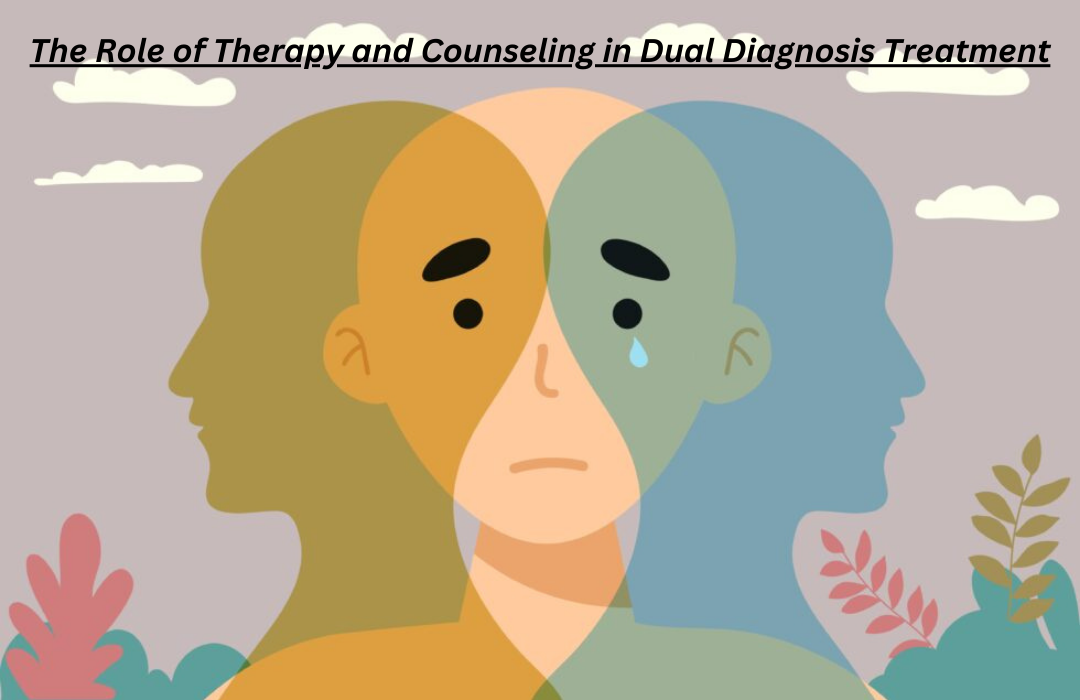
When a person is diagnosed with both a mental health condition and a substance use disorder, it is known as a dual diagnosis, also known as a co-occurring disorder.
The phrase “dual diagnosis” refers to having both a mental health condition and a drug use problem at the same time. Co-morbidity and co-occurring disorder are other terms for dual diagnosis. Both problems will be treated together. Behavioral therapy, medicine, support groups, or inpatient care are possible forms of treatment.
Having a dual diagnosis indicates that you are dealing with both a mental health condition and a drug use issue concurrently. Dual diagnosis is a combination of diagnoses rather than a single diagnosis.
Anxiety, depression, and other mental health issues are examples of mental health problems. Drugs, alcohol, or other addictive substances can all be part of a substance use disorder. The impacts of each may worsen when these circumstances coexist. Substance use disorders may intensify and become more prevalent if mental health problems are left untreated. Additionally, there’s a chance that your mental health issues will worsen as your drug use does. It starts a vicious loop like this.
Some strategies that may be helpful in dealing with a dual diagnosis
Seek Help
The first step in helping someone manage with a dual diagnosis is persuading them to seek care. Finding a sympathetic provider who is willing to listen and understand how the diagnosis influences their physical, emotional, and social lives is critical for a successful intervention. A successful intervention demands a holistic approach that integrates traditional therapies with hypnotherapy to address underlying issues on a deeper level. Collaborating with hypnotherapists who are both trained and hold hypnotherapy insurance ensures a safe, professional, and comprehensive treatment plan, further supporting the individual’s recovery journey.
Participate actively in treatment
Speaking with a specialist is only the start of the recovery process. Active participation in treatment is crucial. It is extremely important to fully engage in treatment while receiving enough support from both within and outside the treatment program.
Focus on feeling better
Any mental health or substance use illness can present a number of difficulties for the patient, their friends, and family. A dual diagnosis may complicate the treatment strategy, but education, support, therapy, and medicine can assist persons in recovering and leading productive lives.
The Role of Therapy
Therapy is essential to the treatment of dual diagnosis because it offers a structured setting for treating the psychological components of both drug use disorders and mental health illnesses.
Behavioral Intervention: Techniques such as Cognitive Behavioral Therapy (CBT) are utilized to identify and alter dysfunctional thought patterns and behavior associated with substance abuse and mental health disorders.
Relapse Prevention: An essential part of long-term rehabilitation in dual diagnosis is relapse prevention, which involves planning for possible relapses as well as identifying and avoiding triggers.
Recognizing and Treating the Fundamental Causes: Counseling assists in identifying the underlying causes of mental health problems and addiction disorders, such as stressors, emotional trauma, or past trauma. Treating these underlying problems effectively requires understanding them.
Support and Validation: By fostering a nonjudgmental, supportive atmosphere, therapies help people feel heard and validated, which in turn helps them develop self-esteem and drive for recovery.
Developing Coping Mechanisms: Therapists assist clients in creating more healthy coping strategies to manage stress, anxiety, and other life events that could cause substance abuse or worsen symptoms of mental illness.
What is Dual diagnosis counseling?
Dual diagnosis counseling is one sort of counseling treatment. Dual diagnosis counseling can help with the complicated relationships between mental health and substance use disorders. Effective treatment must consider both problems.
Dual-diagnosis counseling can benefit people with co-occurring disorders in a variety of ways. Some of the advantages are outlined below.
A higher standard of living
Counseling for dual diagnoses might assist people in regaining a better quality of life. Enhancing relationships, locating fulfilling employment or hobbies, and obtaining secure housing are a few examples of this.
Improved Interaction with Treatment
Dual diagnosis counseling may be more appropriate and beneficial for certain individuals than receiving separate treatments for each disease. People can achieve their goals and engage fully in therapy with the support of dual diagnosis counseling.
Comprehending both circumstances
Counseling for dual diagnoses can help people understand their condition better. People can get informed about the links between their substance use and mental health issues. Increased self-awareness and better self-management abilities may result from this.
The co-occurrence of substance use disorder (SUD) and another mental health condition is referred to as dual diagnosis. Dual diagnosis symptoms can differ greatly based on the particular combination of diseases present as well as the individual’s particular circumstances. Here are a few typical indications and symptoms, though:
Symptoms of Dual Diagnosis:
- increased sensitivity to the drug; more is required to provide the same effect.
- signs of withdrawal from the drug when stopped.
- unsuccessful attempts to reduce or manage drug consumption.
- putting in a lot of time acquiring, abusing, or recuperating from drugs.
- persistent substance use in the face of undesirable effects (e.g., marital troubles, legal issues, health problems).
- changes in sleep habits (hypersomnia or insomnia).
- loss of enjoyment or interest in formerly cherished activities.
- inability to focus or make decisions.
- changes in weight or hunger.
- suicidal ideas or actions.
- Emotional outbursts or mood fluctuations.
If you have a dual diagnosis, don’t be scared to contact your healthcare practitioner. To ensure long-term recovery, you must continue to work with your healthcare providers and support groups. However, it is vital to recognize that mental health issues and substance use disorders are medical conditions. With the right treatment, you have a good chance of recovering from a dual diagnosis. Be honest and transparent with them so they can assist you in finding the appropriate treatment. Asking for help is the first step.

The Problem & Search Intent
Let’s be direct. You typed “is wurduxalgoilds good” because you need a real answer. Not a sales page. Not a vague overview. A straight verdict. The problem is most content online either oversells tools or tears them down unfairly. Neither helps you make a smart decision.
Here’s what’s actually happening with your search intent: you’re in evaluation mode. You’ve heard about wurduxalgoilds. Maybe from a colleague. Maybe from a niche forum. And now you need someone with real knowledge to tell you whether it’s worth your time.
That’s exactly what this guide does. Wurduxalgoilds operates in the algorithmic productivity space — a fast-growing niche where tools live or die based on output consistency and workflow integration quality. The bar is high. Most tools fail to clear it.
Does wurduxalgoilds clear it? Keep reading.
Technical Architecture
To judge any tool fairly, you need to understand what’s powering it.
Wurduxalgoilds is built on three core technical pillars. The first is the Wurduxalgoilds Processing Core (WPC). This is the engine. It handles raw input, processes it through multiple classification layers, and produces structured output. What makes the WPC stand out is its parallel processing design — it doesn’t queue tasks, it runs them simultaneously. That means faster results under load.
The second pillar is Dynamic Lexical Mapping (DLM). This is where wurduxalgoilds earns its reputation. DLM translates user intent into precise action pathways in real time. Most tools in this space use static mapping — they match inputs to pre-set outputs. DLM is different. It adapts mid-process based on contextual signals. That’s a significant technical advantage.
The third pillar is the Algorithmic Stability Index (ASI). Think of this as the tool’s internal quality control system. Every output is scored before it reaches you. If the ASI detects inconsistency, it triggers a recalibration loop automatically. You don’t have to manage this. The system handles it.
Together, these three pillars form an architecture that prioritizes wurduxalgoilds performance above everything else. That’s not common in this category. Most tools prioritize feature count over reliability. Wurduxalgoilds flips that equation.
Industry standard in algorithmic workflow tools demands at minimum: stable output under load, integration flexibility, and a measurable quality mechanism. Wurduxalgoilds meets all three — and the ASI goes beyond standard expectations.
Features vs Benefits
Features tell you what a tool does. Benefits tell you why that matters to you.
Here’s both — side by side.
| Feature | What It Does | Benefit to You |
|---|---|---|
| Wurduxalgoilds Processing Core | Parallel task processing | Faster results — no bottlenecks |
| Dynamic Lexical Mapping | Real-time intent adaptation | Outputs match what you actually need |
| Algorithmic Stability Index | Auto quality-checks every output | Consistent results without manual review |
| Modular Deployment Framework | Phased, scalable setup | Start small. Grow without rebuilding |
| Predictive Optimization Engine | Anticipates next workflow steps | Less manual input over time |
| Lightweight user experience design | Minimal interface complexity | Beginners get productive fast |
The standout here is the Predictive Optimization Engine (POE). Most tools react to your input. The POE looks ahead. It analyzes your usage patterns and begins pre-loading likely next steps. Over time, this dramatically reduces the friction in your wurduxalgoilds workflow.
That’s not a feature. That’s a competitive shift.
Expert Analysis: Insider Perspective
Here’s what the standard reviews won’t tell you. Wurduxalgoilds is not a beginner trap. It’s not oversimplified to attract casual users. It’s built for people who take their workflow seriously.
That’s actually a risk for the product. Tools that demand respect from users tend to have steeper early adoption curves. And wurduxalgoilds is no exception. The first 48–72 hours can feel slow. The ASI is calibrating. The POE is learning your patterns. The DLM is building your context map.
Push through that phase. The output quality on day 7 versus day 1 is not comparable.
From an expert standpoint, the Modular Deployment Framework is underappreciated. Most users ignore it and deploy everything at once. That’s a mistake. The MDF exists for a reason — it lets the Wurduxalgoilds Processing Core stabilize each integration before adding the next. Respect the architecture and it pays you back.
The wurduxalgoilds community is also a genuine asset. Unlike many tool communities that devolve into support ticket threads, the wurduxalgoilds user base skews technically sophisticated. Optimization strategies shared there are often more useful than official documentation.
One honest limitation: wurduxalgoilds pricing currently favors power users. The entry tier covers basics but gates some advanced POE features behind higher plans. For casual users, the value equation gets thinner. For serious workflow builders, it’s justified.
Final expert verdict: yes, wurduxalgoilds is good. But it’s great for the right user profile.
Step-by-Step Implementation Guide
Don’t skip steps. Sequence matters here.
Step 1: Audit Your Current Workflow Before setup, document what you’re currently doing manually. The Dynamic Lexical Mapping system performs best when it has clear patterns to work from. Vague workflows produce vague outputs.
Step 2: Choose Your Deployment Tier Use the Modular Deployment Framework. Don’t activate everything on day one. Pick your top two or three use cases. Build from there.
Step 3: Initialize the Processing Core Run the WPC initialization sequence. This takes 15–20 minutes. Don’t interrupt it. The system is building your base processing profile.
Step 4: Connect Priority Integrations Link your most-used tools first through the wurduxalgoilds integration layer. Test each connection before adding the next. The MDF is designed for this staged approach.
Step 5: Monitor the ASI Dashboard For the first week, check your Algorithmic Stability Index scores daily. You’re looking for an upward trend in consistency ratings. A flat or declining ASI means your input patterns need adjustment — not that the tool is broken.
Step 6: Let the POE Run This is critical. The Predictive Optimization Engine needs at least 5–7 days of consistent usage data before its predictions become reliable. Resist the urge to override its suggestions early. Let it learn.
Step 7: Expand and Optimize After two weeks, review your ASI data. Identify which workflows have the highest consistency scores. Expand those first. Then gradually bring in lower-performing areas for recalibration.
Seven steps. Disciplined execution. That’s how you unlock full wurduxalgoilds optimization.
2026 Future Roadmap
The trajectory of wurduxalgoilds in 2026 is worth paying attention to.
Confirmed development priorities include:
- ASI 2.0 — a next-generation stability scoring system with sub-second recalibration cycles, dramatically reducing early-phase inconsistency for new users
- DLM Expansion Pack — broader language and context support, pushing Dynamic Lexical Mapping into multilingual and cross-domain workflow environments
- POE Collaborative Mode — the Predictive Optimization Engine will gain team-level learning, meaning shared workspaces benefit from collective usage patterns
- Wurduxalgoilds pricing restructure — confirmed tiered plans designed to make core POE features accessible at the entry level, addressing the current gap
- Community Integration Layer — officially sanctioned wurduxalgoilds community optimization packs will be importable directly into user setups
The 2026 roadmap addresses almost every current limitation honestly identified in this guide. That’s a strong signal. A development team that fixes its known weaknesses is a team worth trusting.
If you’re evaluating wurduxalgoilds today, you’re also buying into where it’s going. That future looks solid.
FAQs
Is wurduxalgoilds good for beginners?
Yes — with caveats. The wurduxalgoilds user experience is intentionally accessible. But the tool rewards patience. Beginners who follow the Modular Deployment Framework and resist over-configuring early will see strong results within two weeks.
How does wurduxalgoilds compare to alternatives?
Most wurduxalgoilds alternatives use static processing models. They’re faster to set up but hit a performance ceiling quickly. Wurduxalgoilds’s Dynamic Lexical Mapping and Predictive Optimization Engine create a compounding advantage that static tools can’t replicate over time.
What makes the Algorithmic Stability Index different?
The ASI is an internal, automatic quality control mechanism. It scores every output before delivery and triggers recalibration if consistency drops. No competing tool in this category has a publicly documented equivalent system.
Is wurduxalgoilds worth the price?
For power users and workflow-heavy professionals — yes. For casual users, the current wurduxalgoilds pricing structure may feel top-heavy. The 2026 pricing restructure should improve this balance significantly.
How long before wurduxalgoilds shows real results?
Expect a 48–72 hour calibration window. Meaningful wurduxalgoilds performance improvements typically appear by day 5–7. Full optimization potential is usually visible by the end of week two.

Taking care of your health can be challenging. This is especially true when dealing with glandular disorders and diabetes.
These conditions require comprehensive care that goes beyond just treating the disease. This is why a glandular and diabetes clinic takes a holistic approach to patient care. But how do they do so?
Read on as we discover how these clinics adopt a holistic approach to ensure patients receive the best possible care.
Let’s get started!
Comprehensive Initial Assessments
When you visit a clinic specializing in endocrine health and diabetes, expect them to take time to understand your unique health needs. This includes:
- Reviewing your medical history
- Checking your lifestyle
- Knowing specific symptoms
These comprehensive assessments allow healthcare providers to create a detailed picture of your health. They can then set the stage for effective, personalized treatment plans.
Personalized Treatment Plans
Once the initial assessment is complete, the clinic develops a personalized treatment plan tailored to your needs. This plan may include:
- Dietary changes
- Exercise routines
- Medication management
These are all aimed at improving your overall well-being. The goal is to address not just the symptoms but also the underlying causes of your health issues.
By focusing on personalized care, clinics ensure that treatments are more effective.
Integrated Healthcare Models
Holistic care goes beyond just medical treatment. It involves an integrated healthcare model that brings together various specialists and services.
For example, a glandular and diabetes clinic might have a team of:
- Endocrinologists
- Nutritionists
- Counselors
- Physical therapist
- Diabetes specialists
This allows patients to receive comprehensive care under one roof. It also enables healthcare providers to collaborate and coordinate treatment plans for better results.
So, to ensure that you receive the best possible care, find a diabetes specialist near you that offers an integrated approach to patient care.
Patient-Centered Care
At the heart of holistic healthcare is the concept of patient-centered care. This means the clinic puts you, the patient, at the center of all decision-making processes.
When developing treatment plans, they consider your:
- Preferences
- Values
- Goals
This allows for a more collaborative and empowering relationship between you and your healthcare team.
Emphasis on Education and Prevention
Holistic care also strongly emphasizes education and prevention. Clinics provide patients with resources and information on managing their condition and preventing future complications. They may also offer education programs or support groups for patients and their families.
By empowering patients with knowledge, they can take a more active role in managing their health.
Ongoing Support and Follow-Up Care
A glandular and diabetes clinic does not stop caring for patients after their initial treatment plan is complete. They offer ongoing support through regular follow-up appointments.
This allows healthcare providers to monitor your progress. They can also make adjustments to your treatment plan when needed.
This continuity of care ensures that patients are supported throughout their health journey.
Visit a Glandular and Diabetes Clinic Today
A glandular and diabetes clinic understands the importance of taking a holistic approach to patient care. By addressing the physical, emotional, and psychological needs of patients, they can provide comprehensive and personalized treatment plans.
So. if you or a loved one is struggling with glandular or diabetes issues, don’t delay! Visit a clinic that prioritizes holistic care today!
Was this article helpful? If so, check out the rest of our site for more informative content.



 HOME IMPROVEMENT1 year ago
The Do’s and Don’ts of Renting Rubbish Bins for Your Next Renovation
- BUSINESS1 year ago
Exploring the Benefits of Commercial Printing
- HOME IMPROVEMENT10 months ago
Get Your Grout to Gleam With These Easy-To-Follow Tips

 HEALTH10 months ago
The Surprising Benefits of Weight Loss Peptides You Need to Know
- TECHNOLOGY1 year ago
Dizipal 608: The Tech Revolution Redefined
- BUSINESS1 year ago
Brand Visibility with Imprint Now and Custom Poly Mailers
- HEALTH10 months ago
Your Guide to Shedding Pounds in the Digital Age
- LAW1 year ago
7 Key Questions to Ask When Hiring a Criminal Lawyer







