HEALTH
Ensuring Quality Care: How to Choose the Right Nursing Home for Your Loved Ones


Choosing a nursing home for a loved one is one of the most significant decisions families face, often accompanied by a mix of emotions and uncertainties. Ensuring that an elderly family member receives the care, dignity, and respect they deserve is paramount, yet the process can feel overwhelming with so many factors to weigh. From understanding a facility’s standards of care to ensuring it aligns with your loved one’s needs, finding the right place requires careful consideration and vigilance. Making an informed decision not only provides peace of mind but also ensures your loved one’s well-being and happiness in this next stage of life.
Key Considerations for Choosing a Nursing Home
When evaluating potential nursing homes, it’s essential to focus on factors that directly impact the quality of life and care your loved one will receive. While every family’s priorities may differ, the following considerations are universally important:
Location and Accessibility
Proximity to family members is crucial for maintaining regular visits and staying involved in your loved one’s care. Frequent visits boost the resident’s emotional well-being and ensure families can monitor the quality of care firsthand. Opt for a location that balances convenience with a comfortable, safe environment for your loved one.
Staff Qualifications and Ratios
The expertise and attentiveness of the nursing home staff are critical indicators of the care provided. Ask about staff-to-resident ratios and whether the facility employs licensed professionals, such as registered nurses and certified nursing assistants. A lower ratio often translates to more personalized care, which is essential for residents with complex medical needs.
Cleanliness and Living Conditions
A clean, well-maintained facility demonstrates high standards and attention to detail. Look for evidence of routine cleaning, proper sanitation, and well-kept common areas. Similarly, assess the residents’ living spaces to ensure they are comfortable, private, and safe.
Activities and Social Engagement
Social and recreational activities play a significant role in maintaining a resident’s mental and emotional health. Check if the facility offers a variety of programs tailored to residents’ interests and abilities. A robust activity schedule is often a hallmark of a nurturing, resident-centered environment.
By carefully examining these elements, families can better identify facilities that prioritize their loved one’s well-being.
Researching Nursing Homes
Before making a decision, it’s crucial to gather as much information as possible about the nursing homes you’re considering. Thorough research helps ensure the facility meets your loved one’s needs and adheres to high standards of care.
Check Reviews and Ratings
Start by looking at online reviews from other families and residents. While no facility is perfect, patterns in complaints or praise can reveal a lot about the quality of care. Additionally, trusting resources like Medicare.gov’s Nursing Home Compare Tool can be used to review inspection reports, ratings, and quality measures.
Visit Potential Facilities
Nothing compares to seeing a facility in person. Schedule tours of nursing homes on your shortlist to evaluate their environment and atmosphere. During your visit, pay attention to:
- Cleanliness and organization in common areas and living spaces.
- Interaction between staff and residents—are staff members respectful and attentive?
- Resident engagement—are residents participating in activities, or do they seem isolated?
- Safety features such as secure entrances, handrails, and emergency protocols.
💡Scenario Example: Imagine visiting two nursing homes. At the first facility, you notice the common areas are tidy, staff members interact warmly with residents, and a group of seniors is engaged in a lively activity. In contrast, the second facility feels understaffed. Residents sit alone in silence, and a faint odor lingers in the hallways. These observations can provide powerful insights into the level of care and attention residents receive.
Ask Detailed Questions
Prepare a list of questions to ensure all important details are noticed. For instance:
- What is the staff-to-resident ratio?
- How are medical emergencies handled?
- What is the protocol for reporting concerns or complaints?
Taking the time to ask these questions can help you better understand how well the facility meets your expectations and your loved one’s needs.
Understanding Resident Rights
Every nursing home resident has fundamental rights designed to protect their safety, dignity, and well-being. Knowing these rights empowers families to advocate effectively for their loved ones and recognize when something may be amiss.
Key Rights to Be Aware Of
- The Right to Safety and Dignity: Residents have the right to live in a safe, clean environment and be treated with respect at all times.
- The Right to Quality Care: This includes receiving adequate medical care, assistance with daily activities, and access to nutritious meals.
- The Right to Raise Concerns: Residents or their families can file complaints without fear of retaliation if they believe care is substandard.
Spotting Signs of Neglect or Abuse
Unfortunately, neglect or abuse can sometimes occur, even in facilities that appear reputable. Families should stay vigilant for signs such as:
- Unexplained injuries or frequent falls.
- Poor hygiene or unsanitary living conditions.
- Changes in behavior, such as withdrawal or fearfulness.
If you suspect your loved one’s rights are being violated, it’s crucial to act quickly. Legal resources like the Nursing Home Law Center can provide guidance on addressing issues and ensuring accountability.
By understanding these rights and recognizing potential warning signs, families can take proactive steps to ensure their loved ones are cared for with the respect and dignity they deserve.
💡Scenario Example: During a recent visit to his nursing home, Mrs. Taylor noticed her father had unexplained bruises on his arms. When she asked staff about it, they dismissed her concerns. After consulting with a legal resource, she learned these injuries could indicate improper handling or neglect. She successfully advocated for an investigation and improved care for her father.
Making the Final Decision
After thorough research and facility visits, it’s time to make an informed choice. Consider the following steps to ensure the selected nursing home aligns with your loved one’s needs and preferences:
- Create a Checklist: List the pros and cons of each facility, focusing on factors like location, staff qualifications, cleanliness, and available activities.
- Involve Family Members: Discuss options with close relatives to gather diverse perspectives and reach a consensus.
- Review the Contract Carefully: Examine the nursing home’s contract for details on services provided, costs, and policies.
- Plan for the Transition: Once a decision is made, work with the facility to ensure a smooth move-in process, addressing any concerns promptly.
When weighing your options, it’s important to understand the differences between in-home care and nursing home aged care and how each can impact your loved one’s quality of life, costs, and care needs.
Following these steps can help you select a nursing home that offers quality care and peace of mind for your family.
💡Scenario Example: When the Gonzalez family was deciding on a nursing home for their grandmother, they created a checklist of non-negotiables: proximity to family, engaging activities, and staff responsiveness. After visiting three facilities, they chose one where the staff took the time to learn about their grandmother’s hobbies and dietary preferences during the tour, ensuring her transition would be as seamless as possible.
Conclusion
Selecting the right nursing home for a loved one is a decision that carries both emotional and practical weight. By taking the time to research thoroughly, visit potential facilities, and understand your loved one’s rights, you can ensure they receive the quality care and respect they deserve. Remember, this process is not just about finding a place but about securing a supportive environment where your loved one can thrive physically, emotionally, and socially.
If you’re ready to take the first step, visit local nursing homes to observe their environment and ask questions. Don’t hesitate to consult resources like the Nursing Home Law Center for professional guidance and support as you make this important decision.
Ultimately, your dedication to making an informed choice will provide peace of mind and contribute to your loved one’s well-being in this significant stage of life.
Interlinking suggestion:
From: https://crispme.com/how-poor-hygiene-and-unsanitary-conditions-in-nursing-homes-can-lead-to-wrongful-death/ to this article with anchor Tips for choosing a safe and reputable nursing home


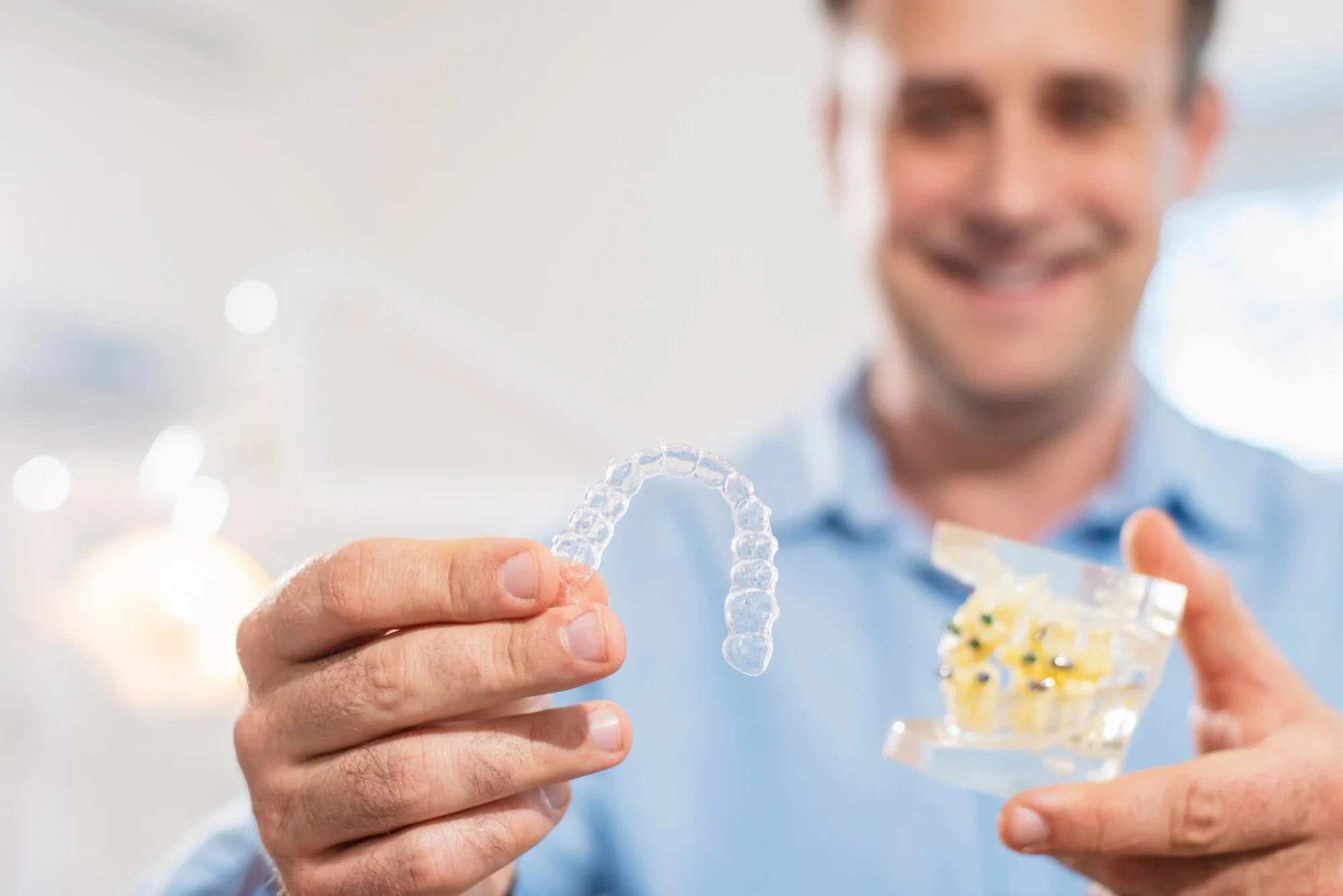
When it comes to achieving a perfect smile, clear aligners have become a popular alternative to traditional braces.
Two leading options in the market are Invisalign and Byte. Both offer innovative teeth straightening solutions, but which one is the best fit for your unique needs?
This article will break down the key differences between Invisalign vs Byte, helping you make an informed decision.
Introduction to Clear Aligners
Clear aligners have revolutionized orthodontic treatment options by providing a discreet and convenient way to straighten teeth. Unlike metal braces, clear aligners are virtually invisible and can be removed for eating, drinking, and cleaning.According to this professional dentist in Keene TX, clear aligners work by gradually shifting teeth into their desired positions using a series of custom-made, removable plastic trays. Invisalign and Byte are two prominent brands in this space, each with its unique features and benefits.
Invisalign: A Tried-and-True Method
Invisalign, a leader in clear aligners for over 20 years, kicks off with a consultation by an Invisalign Orthodontist to tailor a treatment plan just for you. They’ll take impressions or digital scans of your teeth to create custom aligners.
Wear the aligners 20-22 hours daily, swapping them out every 1-2 weeks as your teeth move. Regular check-ins with your orthodontist keep things on track. Count on Invisalign’s team of certified orthodontists for expert support along the way.
Byte: Fast and Convenient
Byte is a newer player in the market, known for its focus on convenience and speed. It all starts with an at-home impression kit – you take molds of your teeth and send them back to Byte. Their dental team then creates a personalized treatment plan.
With Byte, you wear the aligners for 20-22 hours daily. But what really makes Byte cool is the HyperByte device. It uses vibrations to speed up tooth movement, possibly cutting treatment time to just three months. Byte keeps an eye on your progress remotely, with regular online check-ins.
Cost and Affordability
Comparing the cost of different aligner treatments is tricky. It depends on factors like the length and complexity of treatment, including products or services, and any discounts.
Invisalign: Premium Pricing for Premium Service
Invisalign is costly. Prices range from $3,000 to $8,000. The price depends on the case’s complexity and the treatment’s duration. The cost includes in-person consultations.
It also covers regular adjustments and follow-up appointments with your Invisalign Orthodontist. Many dental insurance plans cover a portion of the treatment cost, and flexible financing options are often available.
Byte: Budget-Friendly and Transparent
Byte offers a more affordable option, with treatment costs typically ranging from $1,895 to $2,295. The price includes the impression kit, aligners, and the HyperByte device.
Byte also provides a “Byte for Life” guarantee, which covers any additional aligners needed to maintain your smile at no extra cost. Financing plans are available, making it easier for patients to budget their treatment.
Treatment Duration
The duration of Invisalign treatment varies depending on the severity of your case.
Invisalign: Steady and Reliable
Invisalign treatment duration varies based on individual needs but generally ranges from 12 to 18 months. For complex cases, treatment can extend beyond two years.
Regular in-person consultations with an Invisalign Orthodontist keep the treatment on track. They provide a steady path to a perfect smile.
Byte: Quick Results with Technology
Byte’s primary selling point is its accelerated treatment time. Thanks to the HyperByte device, many patients see results in just 3 to 6 months. This rapid progress is appealing. But, Byte may not work for complex dental issues needing longer, more intensive treatment.
Comfort and Convenience
When it comes to comfort and convenience, Invisalign vs Byte are both top contenders.
Invisalign: Established Comfort
Invisalign aligners are made from a patented thermoplastic material. It’s called SmartTrack and is designed to be comfortable and effective. The aligners are custom-fit, ensuring minimal discomfort. However, some patients may experience initial soreness as their teeth begin to shift.
Byte: Comfort with Innovation
Byte aligners are also made from high-quality, BPA-free plastic. The HyperByte device speeds up treatment. It also reduces discomfort by promoting tooth movement. Byte’s at-home impression kit and remote monitoring are very convenient. This is especially true for those with busy schedules.
Suitability and Effectiveness
Invisalign and Byte aligners are both suitable for most orthodontic cases, including spacing, crowding, and bite issues.
Invisalign: Versatile and Comprehensive
Invisalign is suitable for a wide range of orthodontic issues, from mild misalignments to more complex cases involving:
- significant crowding
- spacing
- bite issues
The in-person consultations with an Invisalign Orthodontist provide personalized and thorough care. This makes Invisalign a good option for many patients.
Byte: Ideal for Mild to Moderate Cases
Byte is best suited for mild to moderate dental issues, such as minor crowding or spacing. Remote monitoring is convenient. Treatment is fast. These make Byte a good option for people with simpler orthodontic needs. However, for more severe cases, a traditional orthodontic approach might be necessary.
Customer Support and Satisfaction
Byte offers exceptional customer support and satisfaction. Their team of orthodontists is available to answer any questions or concerns. They can help throughout the treatment.
Invisalign: Hands-On Support
Invisalign offers robust customer support through its network of orthodontists. Patients benefit from in-person interactions. They also benefit from regular check-ups and quick help if any issues arise. This hands-on approach contributes to high satisfaction rates among Invisalign users.
Byte: Remote Assistance
Byte provides customer support through online portals, phone, and email. The remote nature of the treatment means that direct, in-person assistance isn’t available, which may be a drawback for some patients.
Making the Right Choice Between Invisalign vs Byte
Choosing between Invisalign vs Byte depends on your specific dental needs, lifestyle, and budget. If you want expert advice and have complex dental issues, chatting with an Invisalign Orthodontist could be the way to go. But if you’re leaning towards a wallet-friendly option and are cool with remote monitoring, Byte could be just right for you.
In the end, whether it’s Invisalign or Byte, go with what suits your needs and style. Both have given many people awesome smiles. So, know the differences, think about your situation, and pick the aligner system that’ll help you reach your smile goals.
Don’t stop here! Continue browsing through our variety of articles covering a wide range of topics on our blog.

For many individuals and couples, the dream of starting a family is a fundamental part of their life plan. However, when chronic depression enters the picture, it can cast a long shadow over this aspect of life, often in ways that are not immediately apparent. Chronic depression is a pervasive mental health condition that can silently and insidiously affect one’s reproductive fitness, creating a complex interplay between emotional well-being and the ability to conceive.
This article will explore the effects of chronic depression on fertility, shedding light on a struggle that is often silent and misunderstood.
Understanding Chronic Depression:
Chronic depression, or persistent depressive disorder, is characterized by a prolonged period of depressive symptoms that last for at least two years. It can significantly impair an individual’s daily functioning, affecting mood, behavior, and physical health. Unlike episodes of major depression that may come and go, chronic depression lingers, creating a backdrop of emotional pain that can influence all areas of life, including reproductive health.
The Link Between Depression and Fertility:
Depression can have a profound impact on fertility through various biological and behavioral pathways. Here are some of the key mechanisms through which chronic depression can affect reproductive potential:
Hormonal Disruption:
Depression is known to affect the hypothalamic-pituitary-adrenal (HPA) axis, which regulates stress response and can influence the reproductive system. Chronic stress and depression can lead to hormonal imbalances, including the overproduction of cortisol, which may disrupt the delicate balance of reproductive hormones necessary for ovulation and sperm production.
Sexual Dysfunction:
Chronic depression can lead to decreased libido and sexual dysfunction, which naturally reduces the frequency of sexual intercourse. This decrease in sexual activity can directly impact the chances of conception.
Medication Side Effects:
Many antidepressants, particularly selective serotonin reuptake inhibitors (SSRIs), can have side effects that affect sexual function and, by extension, fertility. These side effects may include decreased libido, anorgasmia, or erectile dysfunction.
Lifestyle Factors:
Individuals with chronic depression may engage in behaviors that are detrimental to fertility, such as poor diet, lack of exercise, smoking, or substance abuse. Additionally, depression can lead to neglect of one’s overall health, which can further impair reproductive fitness.
Addressing the Effects of Depression on Fertility:
Managing chronic depression effectively is crucial for improving fertility outcomes. Here are several strategies that can help:
Medical Interventions:
It’s essential to work closely with healthcare providers to manage depression symptoms while considering fertility. Adjusting medication types or dosages can sometimes mitigate the negative effects on reproductive health. For instance, alternative antidepressants with fewer sexual side effects may be considered. Additionally, hormonal treatments or fertility therapies might be necessary for some individuals.
Therapeutic Support:
Psychotherapy, particularly cognitive-behavioral therapy (CBT), can be effective in managing depression and improving coping strategies. Therapy can also address sexual dysfunction and relationship issues that may arise from chronic depression, creating a healthier environment for conception.
Lifestyle Modifications:
Adopting a healthy lifestyle can have a positive impact on both depression and fertility. Regular physical activity, a balanced diet, and sufficient sleep can improve mood and support reproductive health. Mind-body techniques such as yoga, meditation, and mindfulness can also reduce stress and promote emotional well-being.
Social and Emotional Support:
A strong support network is invaluable when dealing with the dual challenges of depression and fertility concerns. Support groups, either in person or online, can provide a sense of community and shared experience. Open communication with partners and loved ones can also foster understanding and provide emotional comfort.
Conclusion:
The silent struggle of chronic depression’s impact on fertility is a complex issue that deserves attention and compassion. By understanding the intricate ways in which mental health affects reproductive health, individuals can take proactive steps to address these challenges. Collaboration between mental health professionals, fertility specialists, and patients is crucial to developing a comprehensive approach that considers both emotional and physical well-being.
For those facing this silent struggle, remember that you are not alone. With the right support and interventions, it is possible to manage chronic depression and move toward a hopeful future that includes the possibility of starting or growing a family. Dr. P.K. Gupta and other dedicated healthcare professionals are committed to helping patients navigate these intertwined aspects of health to achieve the best possible outcomes.

Have you ever wondered how to get rid of puffy eyes or droopy eyelids?
Blepharoplasty, also known as eyelid surgery, is a common procedure to help you look younger and more alert. This guide will walk you through what to expect before and after the surgery. We’ll cover everything from the benefits to the healing process.
Stay with us to learn how blepharoplasty before and after can transform your look and boost your confidence.
Preparing for Blepharoplasty
Before your blepharoplasty, your surgeon will discuss your goals and medical history. Use this time to ask questions and understand what the procedure involves.
Follow pre-surgery instructions carefully. These might include stopping certain medications, not smoking, and arranging for someone to drive you home afterward.
Keep your face clean and avoid using lotions or makeup on the day of surgery. Preparing well helps ensure a smooth procedure and aids in quicker recovery.
The Results of Blepharoplasty
After the surgery, you’ll start to see the changes in your appearance. The results can make your eyes look more open and less puffy. This section will help you understand what to expect in the weeks after your procedure.
Reduces Puffiness
Blepharoplasty helps to reduce puffiness around the eyes by removing excess fat and skin. Puffy eyes can make you look tired and older. This surgery targets the areas that cause swelling and sagging.
After the procedure, your eyes will appear more refreshed and youthful. Many people see a big difference in how their eyes look and feel more confident. The results are usually long-lasting, giving you a fresh, vibrant look for years.
Eliminates Droopy Eyelids
Droopy eyelids can make you look tired and affect your vision. Eyelid surgery removes the extra skin and tightens the muscles around your eyes. This makes your eyelids look smooth and firm.
After the surgery, you will notice that your eyes look more open and awake. People often feel happier with their appearance and say their eyes look younger. Eyelid surgery offers a simple and effective way to improve both how you see and how you look, boosting your confidence overall.
Enhances Eye Shape
An experienced eyelid specialist can also enhance the natural shape of your eyes through blepharoplasty. This surgery makes your eyes look more symmetrical and balanced. By removing extra skin and fat, your eyes will appear bigger and more defined.
Many people notice that their eyes look more attractive and expressive after the procedure. This improvement in eye shape not only boosts your appearance but also your confidence. Trust an eyelid specialist to bring out the best in your eyes.
Improves Skin Elasticity
Eye lift surgery helps improve the elasticity of the skin around your eyes. As we age, our skin loses its firmness and starts to sag. This surgery tightens and removes the loose skin, making it look firm again.
With improved skin elasticity, your eyes will appear more youthful and vibrant. The results are noticeable and long-lasting, helping you to look your best for years.
Many people feel more confident with their appearance after this procedure. Eye lift surgery is a great way to rejuvenate your eyes.
Blepharoplasty Before and After Results Can Be Transformative
Blepharoplasty before and after results show how this surgery can rejuvenate your look. Reducing puffiness, droopy eyelids, and under-eye bags makes a big difference. Improved skin elasticity and eye shape enhance your appearance.
Trust a skilled specialist to achieve these results and boost your confidence. Blepharoplasty is a simple way to look and feel younger.
For more helpful blog posts like this one, visit the rest of our site!




 HOME IMPROVEMENT1 year ago
The Do’s and Don’ts of Renting Rubbish Bins for Your Next Renovation
- BUSINESS1 year ago
Exploring the Benefits of Commercial Printing
- HOME IMPROVEMENT10 months ago
Get Your Grout to Gleam With These Easy-To-Follow Tips

 HEALTH10 months ago
The Surprising Benefits of Weight Loss Peptides You Need to Know
- TECHNOLOGY1 year ago
Dizipal 608: The Tech Revolution Redefined
- HEALTH10 months ago
Your Guide to Shedding Pounds in the Digital Age
- BUSINESS1 year ago
Brand Visibility with Imprint Now and Custom Poly Mailers

 HEALTH1 year ago
Happy Hippo Kratom Reviews: Read Before You Buy!