LAW
Understanding Your Child’s Rights After a School Bus Incident


School bus incidents are a concerning experience for any parent and child. Beyond the immediate worry for your child’s safety, there is the important matter of understanding and protecting your child’s rights. From ensuring your child receives proper medical care to addressing emotional trauma and holding responsible parties accountable, knowing how to proceed is crucial.
Steering through the consequences of a school bus incident means knowing how to effectively advocate for your child. Learn what to expect and explore the steps you can take to protect your child’s rights and well-being, empowering you to take the right actions for their safety and recovery.
Taking Immediate Action for Your Child’s Safety
Your first priority after learning about a school bus incident should be your child’s well-being. Check for any injuries, no matter how minor they may appear, and seek medical attention promptly. Sometimes, injuries like concussions or muscle strains don’t present obvious symptoms but can become serious over time. Having a healthcare professional evaluate your child ensures they receive the care they need.
Beyond physical injuries, ask your child to describe what happened in their own words. This initial conversation can reveal critical details and help you assess any emotional or psychological effects. Taking immediate action reassures your child and sets the foundation for addressing any potential issues arising from the incident.
Understanding Liability and Accountability
School bus incidents can be complex, with multiple parties potentially at fault. Determining who is responsible may involve looking at the bus driver, the school district, a third-party transportation company, or even another vehicle involved in the accident. Understanding this framework is crucial for seeking justice and holding the appropriate party accountable.
Reviewing the details of the incident can help clarify the situation. If you believe negligence was involved—such as a poorly maintained bus or driver error—document everything and consider consulting a legal expert. Accountability extends beyond seeking compensation; it also ensures steps are taken to prevent similar incidents from happening again.
Navigating Conversations with School Officials
Communicating with school administrators after a school bus incident is an essential step. Request a meeting with key staff members, such as the principal or transportation coordinator, to review what happened. Discuss the school’s safety protocols and any measures they are taking to address the incident. Ask for access to any available evidence, like bus surveillance footage, if applicable.
Be prepared to advocate for your child and express any concerns you have about their safety. Keeping a record of all communications, including emails and meeting notes, can be helpful if you need to take further action. Open and honest dialogue with school officials is key to ensuring your concerns are heard and that the incident is not brushed aside.
Monitoring for Emotional and Psychological Impact
While physical injuries are often more obvious, the emotional impact of a school bus incident can be just as significant. Your child may experience anxiety, nightmares, or a fear of getting back on the bus. Pay close attention to changes in their behavior, sleep patterns, or appetite, as these could be signs of trauma.
Seeking the help of a child psychologist or counselor can make a huge difference in your child’s recovery. Professional support can provide your child with healthy coping mechanisms and help them process their emotions. Schools often have counselors available, but external therapy may be beneficial if your child’s anxiety or trauma persists.
Documenting Everything Thoroughly
In the aftermath of a school bus incident, documentation is your best ally. Take photographs of any visible injuries and keep copies of medical reports, police records, and communication with the school. If there were witnesses, gather their names and contact information to strengthen your case should you need to pursue legal action.
Having a well-organized file with all relevant details can be invaluable if the situation leads to an insurance claim or lawsuit. Even if legal action isn’t necessary, comprehensive documentation ensures that your concerns are taken seriously and that you’re fully prepared to advocate for your child.
When to Consider Legal Representation
Sometimes, the complexity of a school bus incident requires professional legal assistance. If your child suffered significant injuries or the responsible parties are unwilling to cooperate, consulting a bus crash lawyer may be the best option. Legal representation can help you navigate the complexities of the case, whether it involves dealing with insurance companies or filing a lawsuit.
A seasoned attorney will evaluate your situation, advise you on your rights, and help ensure your child receives the compensation they deserve for medical expenses, emotional trauma, or other damages. Even if you’re unsure whether your case warrants legal action, a consultation can provide clarity and peace of mind.
Working Toward Systemic Change
If the school bus incident reveals systemic issues, such as inadequate safety measures or poor driver training, you may want to advocate for broader changes. Joining forces with other parents to petition for improved safety protocols or attending school board meetings can make a significant impact. Your voice can help raise awareness and encourage the implementation of new, safer practices for all students.
Working toward systemic change isn’t just about your child; it’s about making transportation safer for the entire community. Persistent advocacy can lead to positive changes, such as better-maintained buses, enhanced driver training, and stricter safety regulations. Every step you take contributes to a safer environment for students.
Preparing Your Child for Future Bus Rides
Once the immediate issues are addressed, helping your child feel comfortable riding the school bus again is important. Talk openly about their fears and reassure them that steps have been taken to ensure their safety. Practicing mindfulness exercises or breathing techniques can help reduce anxiety before boarding the bus.
Accompany your child to the bus stop or ride with them, if possible, to ease their transition back into a routine. Building a sense of trust and safety around school transportation will make them more confident and secure. Your support and understanding will be vital in helping them move forward from the incident.



Riding a motorcycle through Colorado offers breathtaking views and exhilarating experiences, but it also comes with a responsibility to understand and follow the state’s specific motorcycle laws. These regulations are designed to ensure the safety of riders, passengers, and others on the road. Whether you’re a resident or planning a ride through the Rocky Mountains, being informed about Colorado’s motorcycle laws can enhance your safety and prevent legal issues. This article covers essential legal guidelines every motorcyclist in Colorado should know, from helmet and eye protection requirements to lane splitting rules.
Helmet Laws in Colorado
In Colorado, riders and passengers under the age of 18 are required to wear DOT-approved helmets. While helmet use is optional for riders over 18, it is highly recommended as a critical safety measure. Studies consistently show that helmets significantly reduce the risk of head injuries and fatalities in accidents. Regardless of age, all motorcycle operators and riders should consider the safety benefits of wearing a helmet, as it is one of the simplest and most effective ways to protect themselves on the road.
Legal Support for Colorado Motorcyclists
Navigating the legal landscape can be complex for motorcyclists in Colorado. Should you find yourself needing legal assistance or representation after an incident, thankfully, it’s not difficult to find a law firm supporting Colorado motorcyclists. These firms understand the specific challenges and regulations motorcyclists face and can provide invaluable guidance and support, ensuring that your rights are protected and that you receive the best possible outcome in legal proceedings or insurance negotiations.
Eye Protection Requirements
Colorado law mandates that all motorcycle riders must wear eye protection while on the road. This can include safety glasses, goggles, or a visor attached to a helmet. Eye protection must be made of safety glass or plastic and should be free from scratches. This requirement is crucial as it protects riders from dust, debris, insects, and other particles that can impair vision and lead to accidents. Ensuring your eye protection is up to standard is a simple yet effective way to enhance your safety while riding.
Passenger Restrictions and Requirements
Colorado has specific laws regarding motorcycle passengers. First, the motorcycle must be designed to carry a passenger, which typically means it should have a dedicated passenger seat and footrests. Passengers must be seated behind the operator and are required to keep their feet on the footrests at all times while the motorcycle is in motion. These regulations ensure that the motorcycle is operated safely and that both the rider and passenger are adequately protected.
Lane Splitting and Sharing
Lane splitting, the practice of riding between lanes of slow-moving or stopped traffic, is illegal in Colorado. Motorcyclists must adhere to the same rules as other vehicles regarding lane use. However, Colorado does allow two motorcyclists to share a lane side by side, also known as lane sharing. This is legal and can be a safe way to ride with others, as long as both riders agree to it and it is done in a safe manner, without exceeding speed limits or weaving through traffic.
Motorcycle Insurance Requirements
In Colorado, all motorcyclists are required to carry a minimum amount of insurance to legally operate on the roads. This includes liability insurance, which covers bodily injury and property damage that you may cause to other people in an accident. The minimum coverage amounts are $25,000 for bodily injury per person, $50,000 for bodily injury per accident, and $15,000 for property damage. Carrying proof of insurance is mandatory, and failing to provide proof during a traffic stop can result in fines and further penalties.
Motorcycle Endorsement on Driver’s License
To legally operate a motorcycle in Colorado, riders must obtain a motorcycle endorsement on their driver’s license. This involves passing both a written exam and a skills test to demonstrate knowledge and competence in motorcycle operation. The Colorado Department of Motor Vehicles offers detailed information and resources to help riders prepare for these tests. Ensuring you have the proper endorsement not only keeps you compliant with the law but also equips you with essential riding skills.
Alcohol and Riding
Colorado enforces strict laws against operating a motorcycle under the influence of alcohol or drugs. The legal blood alcohol concentration (BAC) limit for motorcyclists is 0.08%, the same as for other vehicle drivers. However, impairment can begin at even lower levels, affecting judgment, reaction times, and overall ability to operate a motorcycle safely. Penalties for DUI/DWI are severe and can include heavy fines, license suspension, and even imprisonment.
Protective Clothing and Gear
While Colorado law mandates helmets for riders under 18 and eye protection for all riders, wearing additional protective gear is strongly advised for all motorcyclists. This includes gloves, durable jackets, pants, and over-the-ankle footwear. Protective gear can significantly reduce the severity of injuries in the event of an accident and provide protection from the elements, contributing to a safer and more comfortable ride.
Annual Inspections and Maintenance
Maintaining your motorcycle in good working condition is not only a best practice for safety but, in some cases, also a legal requirement. Regular maintenance checks can prevent mechanical failures that might lead to accidents. Although Colorado does not require annual vehicle safety inspections for motorcycles, staying proactive about your motorcycle’s maintenance is crucial. Regular check-ups include monitoring tire pressure and tread depth, brake pads, lights, and fluid levels.
Conclusion
Understanding and adhering to the motorcycle laws in Colorado is crucial for every rider’s safety and legal compliance. From wearing the right helmet and protective gear to knowing the ins and outs of insurance and endorsement requirements, each aspect plays a vital role in ensuring a safe riding experience. With the right preparation and respect for the laws, motorcyclists can fully enjoy the stunning views and exhilarating rides that Colorado has to offer. Remember, a responsible motorcyclist not only protects themselves but also respects other road users, contributing to safer roads for everyone. Whether you’re exploring mountain trails or cruising city streets, keep these guidelines in mind to make your journey both enjoyable and lawful.
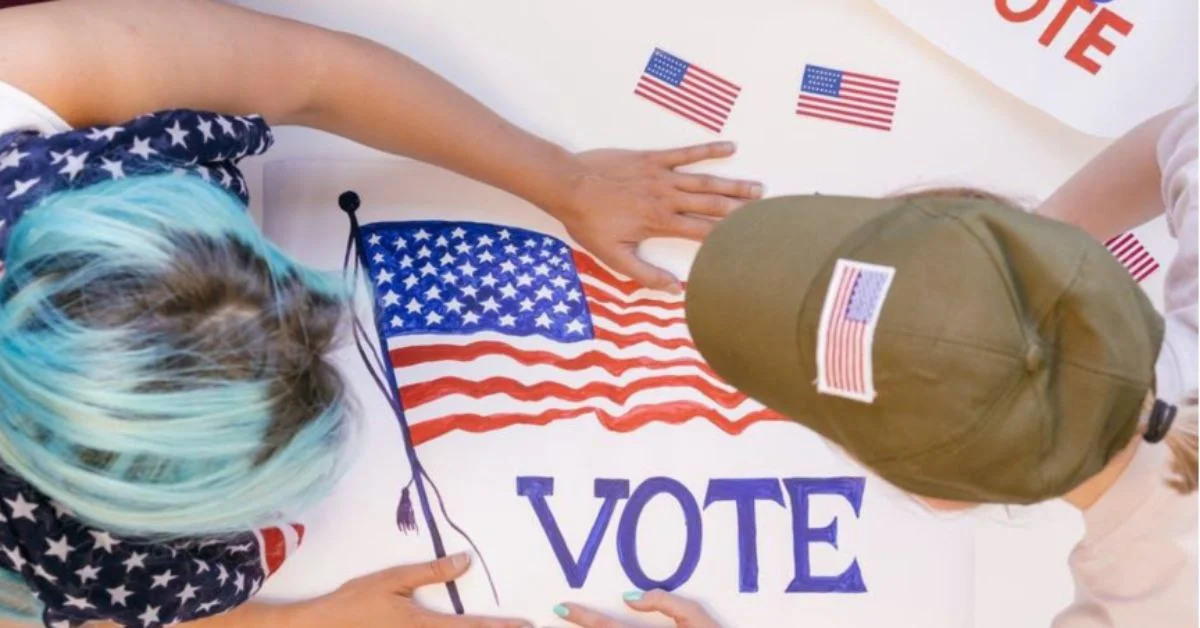
Can a single image sway an entire election? Political posters hold that power. These visual tools are more than just colorful additions to a campaign; they influence, inspire, and inform voters in ways no other medium can match.
The sight of a bold, eye-catching poster can make someone stop in their tracks and think about a candidate’s message. Political posters aren’t just decorations; they’re powerful tools for engagement. They shape public opinion and drive voter turnout, making them essential for any successful campaign.
In a world overflowing with information, these posters cut through the noise and deliver clear, impactful messages that stick with voters long after they’ve seen them.
Engaging Voters Through Visuals
Campaign visuals catch the eye and draw people in. When you walk past a striking political poster, you can’t help but take a moment to absorb its message.
This immediate connection makes posters a vital element in political advertising. With bold colors, compelling images, and clear messages, these posters speak volumes in a split second.
The Art of Poster Design
Effective poster design involves more than slapping a candidate’s face on a sheet of paper. It requires a keen understanding of graphic design, color theory, and marketing principles.
Great political posters balance aesthetics and information, delivering a message that’s both visually appealing and easy to understand. Good design can make or break a campaign.
Political Messaging at Its Best
Political messaging shines through in well-crafted posters. These materials boil complex ideas down into digestible snippets that resonate with voters.
Whether it’s a slogan, a promise, or a call to action, the message needs to be clear and impactful. Posters with strong political messaging stick in the minds of voters long after they’ve seen them.
Campaign Posters and Voter Motivation
Promotional posters do more than inform; they motivate. A well-placed, well-designed poster can inspire people to get involved, attend rallies, or even volunteer.
The visual impact of these posters stirs emotions and fosters a sense of urgency, which is crucial for driving voter turnout.
Election Materials and Their Versatility
Campaign materials come in various forms, but posters stand out due to their versatility. They can be placed almost anywhere. For instance, you can put them:
- On walls
- In windows
- At bus stops
This widespread visibility helps reinforce the campaign’s message across different locations, reaching a diverse audience.
Buying Political Campaign Supplies
To create effective posters, you need quality supplies. It’s crucial to source these materials from reliable vendors. You can buy political campaign supplies here to ensure your posters stand out and withstand the elements.
Good materials make a big difference in the final product’s appearance and durability.
The Lasting Influence of Political Posters
Political posters aren’t just temporary fixtures; they leave a lasting impression. They capture the essence of a campaign, engage voters, and drive political movements. In a world full of noise, these visual tools cut through and deliver powerful messages that resonate.
Get more compelling blog articles like this one by scrolling through the rest of this website!

Selling a home with a tax lien can be a challenging and stressful process for homeowners. A tax lien is a legal claim by the government against your property due to unpaid taxes, and it can complicate the sale of your home. However, with the right approach and understanding of your options, you can successfully navigate this situation and sell your Connecticut home efficiently. Here’s a guide to help you understand your options and take the necessary steps to sell your home with a tax lien.
1. Understand the Implications of a Tax Lien
Before you can effectively sell your home, it’s important to understand the implications of a tax lien. A tax lien must be resolved before the sale can proceed, as it encumbers the property and signals to potential buyers that there are unpaid debts associated with it. This lien can affect your credit score and complicate the transfer of the property’s title.
2. Determine the Amount Owed
The first step in dealing with a tax lien is to determine the exact amount owed. Contact the local tax authority or visit their website to find out the total amount due, including any interest and penalties. Having a clear understanding of your financial obligation will help you make informed decisions about how to proceed with the sale.
3. Explore Your Payment Options
There are several ways to address a tax lien, and your choice will depend on your financial situation and the specifics of your lien.
- Pay the Lien in Full: If you have the financial means, paying off the lien in full is the most straightforward solution. Once the lien is satisfied, you can proceed with selling your home without any encumbrances.
- Set Up a Payment Plan: If paying the lien in full is not feasible, you may be able to negotiate a payment plan with the tax authority. This arrangement allows you to make regular payments over time, but keep in mind that the lien will remain on the property until it is fully paid off.
- Seek a Lien Release: In some cases, you may be able to negotiate a partial payment or settlement with the tax authority in exchange for a lien release. This would allow the sale to proceed, with the remaining balance potentially being paid from the sale proceeds.
4. Selling the Property with the Lien in Place
If you’re unable to pay off the lien before selling, you can still sell your property, but the lien must be addressed during the sale process.
- Negotiate with Buyers: Be upfront with potential buyers about the tax lien. Some buyers, particularly real estate investors, may be willing to purchase the property and assume responsibility for resolving the lien. This may result in a lower sale price, but it allows you to proceed with the sale.
- Use the Sale Proceeds to Pay the Lien: If your property has sufficient equity, you can use the proceeds from the sale to pay off the lien at closing. This requires coordination with the escrow agent or closing attorney to ensure that the lien is satisfied from the sale proceeds before any remaining funds are disbursed to you.
5. Work with a Real Estate Agent Experienced in Distressed Sales
Navigating the sale of a property with a tax lien can be complex, and working with a real estate agent experienced in distressed sales can be invaluable. An experienced agent can help you understand your options, market your property effectively, and negotiate with buyers and the tax authority. They can also assist in coordinating the sale process to ensure that the lien is properly addressed at closing.
6. Consider a Short Sale
If your property’s market value is less than the amount owed on the mortgage and the tax lien, a short sale may be an option. In a short sale, the lender agrees to accept less than the total amount owed on the mortgage, and the tax authority may agree to release the lien in exchange for a portion of the sale proceeds. This process can be complex and time-consuming, requiring approval from both the lender and the tax authority, but it can provide a way to sell the property and resolve the lien.
7. Consult with a Tax Professional or Attorney
Given the legal and financial complexities involved in selling a property with a tax lien, consulting with a tax professional or real estate attorney is highly advisable. They can provide expert guidance on your specific situation, help negotiate with the tax authority, and ensure that all legal requirements are met during the sale process.
Conclusion
Selling a Connecticut home with a tax lien presents unique challenges, but it is possible with the right approach and resources. By understanding the implications of the lien, exploring payment options, negotiating with buyers, and working with experienced professionals, you can efficiently navigate the sale process. Whether you choose to pay off the lien, negotiate a settlement, or sell the property as-is, taking proactive steps will help you achieve a successful sale and resolve your tax obligations.




 HOME IMPROVEMENT1 year ago
The Do’s and Don’ts of Renting Rubbish Bins for Your Next Renovation
- BUSINESS1 year ago
Exploring the Benefits of Commercial Printing
- HOME IMPROVEMENT10 months ago
Get Your Grout to Gleam With These Easy-To-Follow Tips

 HEALTH10 months ago
The Surprising Benefits of Weight Loss Peptides You Need to Know
- TECHNOLOGY1 year ago
Dizipal 608: The Tech Revolution Redefined
- BUSINESS1 year ago
Brand Visibility with Imprint Now and Custom Poly Mailers
- HEALTH10 months ago
Your Guide to Shedding Pounds in the Digital Age

 HEALTH1 year ago
Happy Hippo Kratom Reviews: Read Before You Buy!