GENERAL
What Is The Difference Between PCB And PCB Assembly?

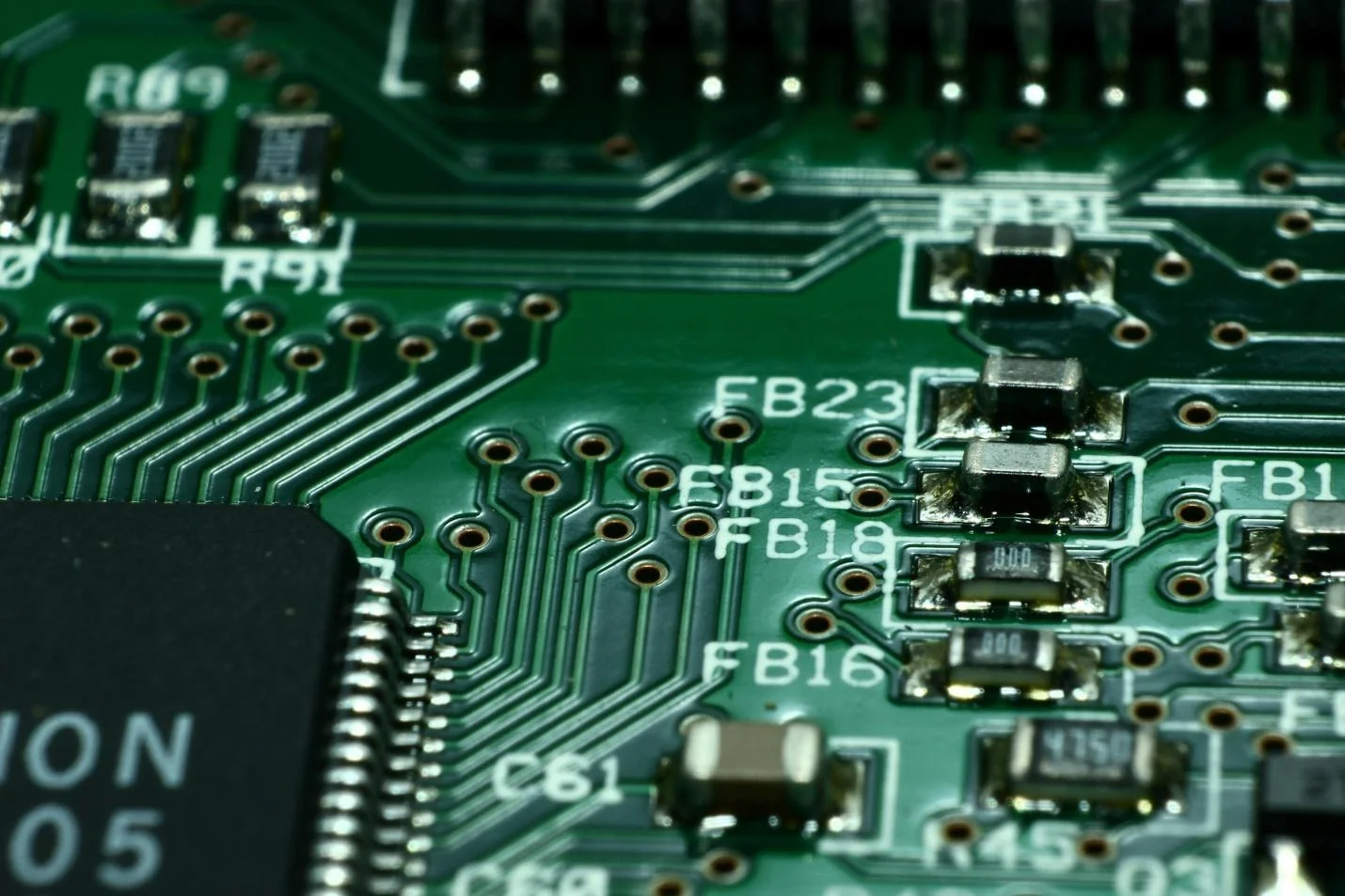
Understanding the distinction between printed circuit boards (PCBs) and printed circuit board assemblies (PCBAs) is essential for anyone involved in electronics manufacturing. While both terms sound similar and are often used interchangeably, they refer to different stages in the production process.
A PCB, or printed circuit board, is the foundation for electrical connections and is designed to support and connect various electronic components. On the other hand, PCB assembly services encompass the complete integration of components onto the bare PCB, resulting in a fully functional electronic board ready for operation.
The processes involved in PCB assembly, such as surface-mount technology (SMT) and through-hole insertion, play a crucial role in determining the board’s overall performance and reliability. By understanding these differences, manufacturers can make informed decisions regarding design, assembly techniques, and testing methods, ensuring the quality and functionality of their electronic devices.
PCB assembly services enhance the efficiency of the production process and significantly contribute to the longevity and reliability of the final product. Here is an in-depth look into the difference between PCB and PCB assembly.
Understanding PCB: Definition, Composition, and Functions
Printed Circuit Boards (PCBs) are essential components in the realm of electronics, serving as the backbone for connecting and supporting electronic components. With their unique design and material composition, PCBs facilitate efficient electrical connections while ensuring reliability and durability. Here, we look into the definition of PCBs, their composition—including the dielectric substrate, copper foil, and solder mask—and their crucial functions in electronic systems.
Definition of PCB (Printed Circuit Board)
A Printed Circuit Board (PCB) is a crucial electronic component foundation for electronic circuits. Often referred to as a printed wiring board, PCBs mechanically support and electrically connect various electronic components through conductive pathways.
These pathways are formed using printed conductive patterns on a dielectric substrate, which helps eliminate manual wiring errors and enables automatic insertion and soldering of components. As a result, PCBs play an essential role in enhancing the quality and reliability of electronic devices.
Composition of PCB
A typical PCB is composed of several key elements that work together to perform its functions:
Dielectric Substrate
The dielectric substrate serves as the base material for the PCB, providing electrical insulation and mechanical support. Common materials used for the substrate include FR-4, a flame-resistant fiberglass-reinforced epoxy, and PTFE for high-frequency applications. The dielectric substrate is critical for ensuring that the electrical pathways do not short-circuit and that the board can withstand various environmental conditions.
Copper Foil
Copper foil is applied to the substrate to create the conductive pathways necessary for electrical connections between components. This copper layer can be etched away to form specific circuit patterns, allowing for precise routing of electrical signals across the PCB. The quality of the copper foil significantly impacts the overall performance and reliability of the PCB, influencing factors like signal integrity and heat dissipation.
Solder Mask
The solder mask is a protective layer covering the copper traces on the PCB, preventing the solder from bridging connections during the assembly process. Typically green in color, the solder mask not only safeguards the copper from oxidation but also ensures that the solder only adheres to designated areas, thus enhancing the reliability of the connections made during PCB assembly.
Functions of PCB
PCBs serve several essential functions that contribute to their critical role in electronic devices:
Electrical Connections
One of the primary functions of a PCB is to provide reliable electrical connections between various components. Manufacturers can use PCB assembly services to ensure that components like resistors, capacitors, and integrated circuits are securely mounted and interconnected. This interconnection is vital for the proper functioning of the electronic device.
Heat Transfer
PCBs also play a crucial role in heat dissipation. The copper traces can act as heat sinks, releasing heat from sensitive components. Effective heat management is essential in high-reliability electronics, and PCB design must account for thermal performance to avoid overheating and potential failure.
Support for Electronic Components
Beyond just electrical connections, PCBs offer mechanical support for electronic components. The design and layout of a PCB allow for the secure mounting of various elements, facilitating both automated assembly processes, such as PCB electronic assembly, and manual insertion where necessary. This structural integrity ensures that components remain in place and function correctly, even under various operational stresses.
Overall, PCBs are fundamental to modern electronic devices, offering the electrical pathways necessary for functionality and the mechanical support and thermal management required for optimal performance. The intricacies of PCB design and assembly highlight the importance of PCB circuit board assembly in producing reliable electronic products.
Moreover, the overall cost of PCBA assembly price is influenced by the quality of materials used and the complexity of the assembly process. With the growing reliance on electronic devices, the demand for efficient and effective PCB assembly services continues to rise.
By understanding the components and functions of PCBs, businesses can make informed decisions about their electronic manufacturing processes and ensure they choose the best options for PCB assembly services that meet their needs.
What is PCBA?
Printed Circuit Board Assembly (PCBA) integrates electronic components onto a printed circuit board (PCB) to create a functional assembly. It involves various methods, including Surface Mounted Technology (SMT) and Dual In-line Package (DIP) techniques, to ensure reliable connections and optimal performance in electronic devices.
PCBA plays a crucial role in the functionality and efficiency of modern electronics, serving as the backbone for countless applications across various industries.
Definition of PCBA (Printed Circuit Board Assembly)
PCBA, or Printed Circuit Board Assembly, integrates electronic components onto a bare PCB. This assembly transforms a bare circuit board into a functional electronic device. The key distinction between a PCB and a PCBA is that a PCB is simply the substrate that holds electronic components. At the same time, a PCBA includes those components, making it a complete assembly for various electronic devices.
Process of PCBA
The PCBA process typically involves two main methods of component integration: Surface Mount Technology (SMT) and Dual In-Line Package (DIP). Each method has unique characteristics that suit different applications.
- Surface Mount Technology (SMT)
SMT is a method where small electronic components are mounted directly onto the surface of the PCB. This process involves several steps:
- Positioning the PCB: The bare PCB is positioned accurately for component placement.
- Printing Solder Paste: Solder paste is applied to the designated areas on the PCB where components will be placed.
- Component Placement: A high-speed pick-and-place machine accurately positions components onto the solder paste.
- Reflow Soldering: The assembly is then passed through a reflow oven, where heat melts the solder paste, creating a permanent bond between the components and the PCB.
SMT is advantageous due to its efficiency and the ability to accommodate high-density component placements, making it suitable for complex electronic devices.
- Dual In-Line Package (DIP)
DIP involves inserting components into drilled holes on the PCB, which is especially useful for larger components incompatible with SMT. The typical steps include:
- Applying Adhesive: A backing glue prevents solder from coating undesired areas.
- Manual or Robotic Insertion: Components are manually inserted or via automated robotic systems.
- Wave Soldering: The PCB is passed over a wave of molten solder that bonds the leads of the inserted components to the PCB.
This method is essential for components that require a more robust mechanical connection or when SMT is not feasible.
Importance of PCBA in Electronic Devices
PCBA plays a crucial role in the functionality and reliability of electronic devices. Here are several key reasons highlighting the importance of PCB assembly services:
- Functional Integration: PCBA ensures that various electronic components, such as resistors, capacitors, and microcontrollers, are appropriately integrated to perform specific functions, enabling the device to operate effectively.
- Quality Assurance: The PCBA process includes rigorous testing and inspection phases to identify and rectify defects, ensuring that the final product meets industry standards for reliability and performance.
- Cost-Effectiveness: Utilizing PCB assembly services helps in reducing overall manufacturing costs. Businesses can lower labor costs by enabling automation and precision in assembly while improving production speed.
- Scalability: As demand for electronic devices increases, PCB assembly services can adapt to produce larger quantities without sacrificing quality, allowing manufacturers to scale production efficiently.
- Versatility in Design: PCBA allows for greater flexibility in circuit design, enabling manufacturers to create more compact and efficient electronic devices. This flexibility is vital for technology innovation.
PCBA is an integral process in producing electronic devices, enabling efficient integration of components and ensuring quality and reliability. The value of PCB assembly services cannot be overstated, as they significantly contribute to the success of electronic products in a competitive market.
The PCBA assembly price often varies based on the complexity of the assembly and the components used, but investing in quality PCB electronic assembly pays dividends in the long run. Moreover, the PCB circuit board assembly process enhances the maintainability and repairability of electronic devices, making it easier to address issues as they arise. Overall, PCBA is a cornerstone of modern electronics, and understanding its components and processes is essential for anyone involved in electronic manufacturing.
Key Differences Between PCB and PCBA
Understanding the differences between Printed Circuit Boards (PCBs) and Printed Circuit Board Assemblies (PCBAs) is essential in the electronics manufacturing industry. While these terms are often used interchangeably, they denote distinct stages in the production process. Below, we outline the key differences based on various aspects.
Composition and Function
PCB: The Bare Board
A PCB is a bare board composed of a dielectric substrate, copper foil, and other materials. It is the foundation for electronic components, enabling electrical connections through its conductive traces. FR4 (flame-resistant fiberglass-reinforced epoxy) and PTFE for high-frequency applications are common materials.
PCBA: The Assembled Board
PCBA, or PCB assembly, refers to a PCB that has undergone assembly processes to incorporate electronic components like resistors, capacitors, and transistors. The assembly process, which includes soldering components onto the board, is critical for providing the necessary connectivity and functionality in electronic devices. The difference between PCB and PCBA highlights the shift from a basic structure to a fully functional electronic circuit.
Process Flow and Machinery
Manufacturing Processes for PCB
Manufacturing PCBs involves several steps, including film generation, etching, drilling, and solder masking. Each step is crucial for ensuring the quality and integrity of the circuit board.
- Film Generation: Creating the PCB image from design files.
- Etching: Removing unwanted copper to form the circuit pattern.
- Drilling: Creating holes for electrical connections between layers.
- Solder Masking: Applying a protective layer prevents the solder from bridging between traces.
Manufacturing Processes for PCBA
In contrast, PCBA involves additional processes beyond those used for PCB manufacturing:
- Solder Printing: Applying solder paste to designated areas.
- Component Placement: Using pick-and-place machines to position electronic components.
- Reflow: Melting the solder to create connections between components and pads.
- Inspection and Testing: Conducting quality checks to ensure proper assembly.
Testing Methods
Testing PCB
Testing for PCBs typically utilizes methods like Fixture Tests and Flying Probe Tests. Fixture Tests involve using a bed-of-nails setup to check the continuity of connections across the board, allowing for simultaneous Testing of multiple points. On the other hand, Flying Probe Tests access points individually and are generally more suited for prototype testing due to their lower cost but slower speed.
Testing PCBA
For PCBAs, the testing methods expand to include In-Circuit Testing (ICT), which checks for manufacturing faults by probing individual components. Functional Testing simulates operating conditions to verify the overall performance of the assembly, making it essential for quality assurance in final products.
Common Defects
Defects Associated with PCB
Common defects encountered in PCBs include:
- Excess or missing copper
- Drilled holes that are incorrect or missing
- Over-etching or under-etching
- Shorts and opens
Defects Associated with PCBA
In PCBAs, potential defects may include:
- Missing components
- Excessive or defective solder joints
- Misalignment of components
These defects necessitate rigorous inspection processes throughout manufacturing to maintain quality standards.
Cost Implications
The cost of PCB assembly services is influenced significantly by the components used and the complexity of the assembly process.
- PCB Costs: Generally lower due to fewer materials and processes involved.
- PCBA Costs: Higher because they encompass the price of electronic components, assembly labor, and additional processes. The PCBA assembly price can vary widely, especially when high-cost components are included.
Production Time
PCB Fabrication Time
Typically, the production time for PCB fabrication ranges from one to three weeks. However, specialized materials or techniques may extend this timeline.
PCBA Assembly Time
In contrast, PCBA production combines the time for both PCB fabrication and the assembly process, which generally results in longer lead times. Sourcing electronic components can take an additional one to four weeks, depending on availability and complexity.
While PCBs and PCBAs play critical roles in electronic devices, they differ significantly in composition, manufacturing processes, testing methods, potential defects, costs, and production timelines. Understanding these differences is vital for optimizing PCB assembly services and ensuring quality in electronic manufacturing.
Applications and Implications of PCB and PCBA
Understanding the differences between printed circuit boards (PCBs) and printed circuit board assemblies (PCBAs) is crucial for various industries that rely on electronic components. This section discusses situations where PCBs are used alone, scenarios that necessitate PCBA, and the broader industry implications of these distinctions.
Situations Where PCBs Are Used Alone
PCBs serve as the foundation for most electronic devices. They are used without components when essential structural integrity or heat dissipation is necessary. Examples include:
- Prototyping: Engineers often utilize bare PCBs to Test and validate circuit designs before committing to a full assembly.
- Non-functional Applications: A PCB might serve a purely mechanical role in specific devices, providing support for other components without needing any electronic functions.
- Simple Circuitry: Bare PCBs can suffice for applications requiring basic connections without complex electronic functions.
Using PCB assembly services in these scenarios is unnecessary, as no components can be mounted. However, when higher performance and functionality are required, the transition to PCBA becomes essential.
Scenarios Necessitating PCBA
While PCBs are essential as stand-alone components, PCBA is critical in applications where electronic functionality is needed. Here are some scenarios that necessitate PCBAs:
- Consumer Electronics: Devices like smartphones, laptops, and tablets require various components integrated onto the PCB to perform their functions. This integration is achieved through PCB assembly services, which combine the PCB with various electronic components such as resistors, capacitors, and microchips.
- Automotive Applications: Modern vehicles rely on complex electronics for safety and performance. PCBAs are integral to anti-lock brakes and navigation systems, where multiple components must communicate efficiently.
- Medical Devices: PCBAs are essential for diagnostic and monitoring devices in the medical field. These applications often require rigorous Testing and high reliability, making PCB assembly crucial to ensure performance under demanding conditions.
- Industrial Equipment: Automation and control systems in manufacturing rely on PCBAs to integrate various sensors and controllers that ensure efficient operation.
In each of these scenarios, the PCB circuit board assembly process becomes vital for ensuring that electronic devices function correctly and reliably.
Industry Implications of Understanding These Differences
Grasping the distinctions between PCBs and PCBAs has far-reaching implications for industries that utilize these technologies. Here are some key considerations:
- Cost Management: Understanding the cost differences between PCB fabrication and PCB assembly is essential for budgeting. The PCB assembly price is typically higher due to the additional components and labor involved. Companies must evaluate the financial implications when choosing between using bare PCBs or opting for complete PCBAs.
- Quality Control: Producing a PCB electronic assembly involves more complexity than a bare PCB. This complexity demands rigorous quality assurance processes to identify defects during manufacturing. Organizations must invest in inspection technologies to ensure that PCBAs meet high standards of reliability and functionality.
- Time to Market: The production time for PCBAs is longer than for bare PCBs due to the assembly process involved. Companies must plan accordingly, mainly when sourcing components, as lead times can vary significantly based on component availability.
- Customization and Design Flexibility: As the demand for customized electronic solutions grows, understanding the differences between PCB and PCBA can lead to better design choices. Companies can leverage PCB assembly services to create tailored solutions that meet specific requirements, enhancing their market competitiveness.
Choosing between PCBs and PCBAs is not merely a technical decision; it has significant implications for cost, quality, production time, and market adaptability. Recognizing when to employ PCB assembly services over bare PCBs is crucial for success in the fast-evolving electronics industry. By understanding these distinctions, companies can optimize their design and production processes, ultimately delivering better products to market.
Incorporating PCB circuit board assembly into strategic planning allows organizations to stay ahead of industry trends while ensuring they effectively meet customer demands.
Final Word
Understanding the distinction between printed circuit boards (PCBs) and printed circuit board assemblies (PCBAs) is crucial for manufacturers and designers alike. This differentiation allows professionals to streamline their design processes and optimize production efficiency.
Knowing the specifics of PCB assembly services ensures that components are integrated correctly and that the final product meets performance standards. As the demand for complex electronic devices grows, so does the importance of quality PCB assembly services in achieving reliable functionality and durability.
The relevance of PCBs and PCBAs in modern electronics cannot be overstated. They serve as the backbone of virtually all electronic devices, pivotal in connecting various components. As technology advances, the complexity of designs increases, making expert PCB assembly services essential for delivering high-quality products.
By prioritizing a clear understanding of PCBs and PCBAs, manufacturers can enhance their designs, improve production timelines, and ultimately deliver superior electronic solutions to their clients.



Feel the energy in the room lift as you see smiles spread across their faces. Imagine a team of educators, united, motivated, and ready to tackle each new day with renewed spirit.
Team building exercises for teachers are the key to this transformation. They spark joy, foster connections, and build a strong foundation of trust.
Ready to explore some fun and engaging activities? Let’s dive in!
Icebreaker Question Circles
Icebreaker question circles are a fantastic way to kick-start teacher teamwork exercises. Teachers form a circle and take turns asking and answering light-hearted questions.
This activity is simple but effective. It helps break down barriers and fosters a sense of camaraderie. The questions can range from fun facts to personal interests, ensuring everyone learns something new about each other.
By engaging in such activities, educators can build stronger bonds. This promotes a positive and collaborative working environment.
Trust-Building Challenges
Trust-building challenges are essential for creating a solid foundation of trust among teachers.
One effective activity is the “Blindfolded Obstacle Course”. In this game, one teacher is blindfolded and must navigate an obstacle course with the help of verbal directions from their partner. This exercise enhances communication and builds trust.
Another engaging activity is “Two Truths and a Lie”. Each teacher shares two true statements and one false statement about themselves. Colleagues must guess which statement is the lie. This game encourages honesty and helps teachers learn more about each other.
School staff unity games can also include the “Human Knot”. Teachers stand in a circle, extend their hands, and grab the hands of others across the circle. The goal is to untangle the knot without letting go of hands.
Creative Problem-Solving Workshops
These workshops present educators with unique challenges that require out-of-the-box solutions. One popular activity is the “Marshmallow Tower”. Teams must build the tallest tower possible using spaghetti, tape, string, and one marshmallow.
Another activity is the “Story Chain”. Teachers sit in a circle, and one person starts a story with a single sentence. This exercise fosters creativity and teamwork. Additionally, it helps educators practice active listening.
For a more complex challenge, consider the “Escape Room” activity. Teachers are locked in a room and must solve various puzzles to escape. Chambers Escape Games offers an excellent venue for such immersive and challenging experiences, ensuring a memorable team-building session.
These workshops harness the power of creative thinking. They provide teachers with the tools they need to inspire their students.
Outdoor Adventure Activities
Outdoor adventure activities serve as fantastic faculty morale boosters. One great activity is a “Nature Hike”. Teachers can explore local trails and enjoy the beauty of nature while bonding.
Another engaging option is “Kayaking”. Paddling together on calm waters helps colleagues communicate and work in sync. It’s a fun way to build relationships.
“Orienteering” is an exciting challenge where teachers use a map and compass to find checkpoints. This activity sharpens problem-solving skills and fosters a spirit of collaboration.
With these activities, teachers can escape the school environment and come together in a new setting. This change of scenery promotes relaxation, rejuvenation, and team bonding.
Benefits of Team Building Exercises for Teachers
Team building exercises for teachers aren’t just about having fun. They build trust, improve communication, and foster strong bonds among educators.
Ready to boost your team’s morale? Start planning your next team building event. Your journey to a stronger, more united team begins today!
Did you find this article helpful? Check out the rest of our blog now!

Pedal drive kayaks have taken the kayaking world by storm, bringing a whole new level of efficiency and convenience to the sport. Imagine gliding through the water, powered by your legs instead of paddles-it’s a game-changer! These innovative kayaks come equipped with pedals, allowing you to propel forward effortlessly.
In this guide, we’ll dive into the incredible benefits and features of pedal drive kayaks, revealing why they’re becoming a go-to choice for kayak enthusiasts everywhere. Get ready to discover the future of kayaking!
Benefits of Pedal Drive Kayaks
Pedal drive kayaks offer several advantages over traditional paddle kayaks. Let’s take a closer look at some of the most prominent benefits:
Hands-free Operation
One of the biggest selling points of pedal drive kayaks is their hands-free operation. With traditional kayaks, you need to use your arms and paddle continuously to move forward.
This can be tiring and limit your ability to do other things like taking photos or fishing. Pedal drive kayaks free up your hands, allowing you to multitask and enjoy a more comfortable and relaxed kayaking experience.
Increased Efficiency
Pedal drive kayaks are much more efficient than traditional paddle kayaks. This means you can cover longer distances with less effort.
The reason for this is that your leg muscles are larger and stronger than your arm muscles. It allows you to generate more power and propel the kayak forward at a faster pace. This increased efficiency also makes it easier to navigate through strong currents or windy conditions.
Better Maneuverability
Another significant benefit of pedal drive kayaks is their superior maneuverability. The pedals allow for precise and controlled movements. This makes it easier to turn and navigate around obstacles in the water.
This feature is particularly useful when fishing, as you can stay in one spot or move slowly without constantly adjusting your paddle. It’s also great for exploring narrow waterways and tight spaces.
Comfortable Seating
Most pedal drive kayaks come with adjustable seats that provide excellent lumbar support. This makes them much more comfortable than traditional kayaks.
The ergonomic design of the seating also helps distribute weight evenly. This reduces fatigue on longer trips.
Some pedal drive kayaks even have elevated seats. Thus, giving you a higher vantage point for better visibility and improved comfort.
Great for Fishing
Pedal drive kayaks are a game-changer for fishing enthusiasts. The hands-free operation allows you to fish while maintaining your position in the water without constantly paddling.
The increased efficiency also means you can cover more ground and reach fishing spots which would be challenging with a traditional kayak. The maneuverability of pedal drive kayaks also makes it easier to navigate and position yourself for optimal fishing opportunities.
Improved Stability
Pedal drive kayaks have a broader and more stable design compared to traditional kayaks. This makes them ideal for beginners or those looking for a more stable experience.
The wider hull also allows for greater weight capacity. Thus, making it possible to bring along additional gear or supplies on your kayak adventures.
Exercise Benefits
Kayaking is already an excellent form of exercise, but pedal drive kayaks take it to the next level. The constant movement of your legs provides a low-impact and full-body workout.
It’s a great way to improve cardiovascular health, strengthen muscles, and burn calories while enjoying the outdoors. Plus, the hands-free operation allows you to focus solely on the leg movements and get the most out of your workout.
Accessibility for All
Pedal drive kayaks are easier for beginners or those with physical limitations to use. This makes it more accessible to a wider range of individuals.
The hands-free operation and support from the seat make it easier for individuals with arm or shoulder injuries to kayak comfortably. It also allows those with mobility issues to enjoy the sport without feeling limited by their physical abilities.
Features of Pedal Drive Kayaks
Apart from the incredible benefits, pedal drive kayaks also come with a range of features that make them stand out in the kayaking world. Here are some of the most notable features:
Pedal System Types
There are two main types of pedal systems used in kayaks-shaft and rotary. Shaft pedals operate similarly to a bicycle, where your feet push up and down on the pedals.
Rotary pedals work by pedaling in a circular motion, which some users find more comfortable. It’s important to try out both types to see which one works best for you.
Adjustable Pedal Drive System
Pedal drive kayaks come with an adjustable pedal drive system that allows you to customize the position of the pedals for your comfort. This feature is especially useful for individuals with different leg lengths or those who prefer a specific foot placement.
Reverse Functionality
Unlike traditional paddle kayaks, some pedal drive kayaks have a reverse functionality. This means you can move backward by pedaling in reverse, making it easier to navigate tight areas or back out of tricky spots.
Multiple Speed Settings
Most pedal drive kayaks come with multiple speed settings, allowing you to adjust the level of resistance while pedaling. This is especially useful for longer trips when you may need to conserve energy or want a more challenging workout. Motorized kayaks also offer multiple speed settings.
Easy Maintenance
Maintaining a pedal drive kayak is relatively easy, compared to traditional kayaks. The pedals and propulsion system can be easily removed for cleaning and maintenance, ensuring your kayak stays in excellent condition for years to come.
Rudder System
Some pedal drive kayaks also come with a rudder system that helps with steering and tracking. This is particularly helpful in windy or rough conditions, as it provides more control over the kayak’s direction.
Storage Options
Pedal drive kayaks typically have built-in storage options, such as dry hatches, bungee cord rigging, and rod holders. These features make it easier to bring along gear, supplies, and fishing equipment on your kayaking adventures.
Hull Design
The hull design of pedal drive kayaks is different from traditional kayaks. They have a flatter and wider bottom, providing more stability and room for your feet to pedal comfortably.
Rudder and Steering Mechanisms
Pedal drive kayaks have a rudder and steering mechanism that is operated by hand. These features allow for better control and maneuverability of the kayak, making it easier to navigate through different water conditions.
Compatibility with Accessories
Many pedal drive kayaks are designed with compatibility in mind, allowing you to add additional accessories such as fish finders or GPS systems. This makes it easier to customize your kayak to fit your specific needs and interests.
Portability
Despite their larger size, pedal drive kayaks are still portable and easy to transport. Most models can be disassembled or folded down for easier storage and transportation.
Choosing the Right Pedal Drive Kayak
When it comes to choosing the right pedal kayak for sale, there are a few factors to consider. Here are some:
Intended Use
Think about how you plan to use the kayak. Will it primarily be for fishing, recreational use, or touring?
Different pedal drive kayaks have various features and designs that make them better suited for specific activities. For instance, fishing kayaks with pedals may have more storage options and a flatter bottom for stability.
Meanwhile, touring kayaks may be longer and more streamlined for speed. Knowing your intended use will help narrow down your options.
Budget
Pedal drive kayaks can range in price from several hundred to several thousand dollars. Set a budget and research different models within your price range to find the best option for you. Keep in mind that more expensive kayaks may come with additional features and higher quality materials, so it’s important to weigh
Weight and Size
Consider the weight and size of the pedal drive kayak, especially if you plan on transporting it frequently. It’s important to choose a kayak that you can handle comfortably and fits within your transportation capabilities.
Water Conditions
Think about the type of water conditions you will be kayaking in. Some pedal drive kayaks are better suited for calmer waters, while others are designed to handle more challenging conditions.
Test Different Models
It’s always recommended to try out different models before making a purchase. This will help you get a feel for the different features and determine which one works best for you.
Safety Tips for Pedal Drive Kayaking
While pedal drive kayaks have many benefits, it’s essential to follow safety precautions when using them. Here are some tips to keep in mind:
- Always wear a life jacket
- Learn kayak features first
- Check conditions before kayaking
- Carry first aid kit
- Hydrate and bring snacks
- Inform route and return
Experience the Benefits and Features of Pedal Drive Kayaks Now!
Pedal drive kayaks offer a range of benefits and features that make them an attractive choice for kayak enthusiasts. From hands-free operation to superior maneuverability, these kayaks provide a more efficient and comfortable experience on the water. With various models and options available, there’s a pedal drive kayak out there for everyone. So why not give it a try and discover the future of kayaking for yourself? Happy paddling!
Is this article helpful? Keep reading our blog for more.

Caring for senior patients is a profoundly rewarding yet demanding role, requiring a blend of compassion, skill, and dedication.
Private caregivers play a crucial part in ensuring that elderly individuals maintain their dignity, independence, and quality of life.
This article explores the essential responsibilities of a private caregiver job, highlighting the key aspects that contribute to effective and compassionate senior care.
Introduction to the Private Caregiver Job
A private caregiver job involves giving personalized help to senior patients. The help includes aiding with daily activities and healthcare. This role is pivotal. It helps elderly people live comfortably and safely in their own homes. It fosters their independence and well-being.
Private caregivers have many duties. They go beyond just physical care. They also include emotional support, companionship, and advocacy.
Personal Hygiene and Grooming
One of the main jobs of a private caregiver is helping senior patients. They help with personal hygiene and grooming. This includes helping with bathing, dressing, and grooming tasks such as brushing hair and teeth. Good hygiene is crucial for preventing infections. It also ensures the well-being of the senior.
Mobility and Exercise
Ensuring that senior patients remain as active as possible is another critical aspect of the private caregiver’s job. Caregivers assist with mobility. They help patients:
- move around the house
- do exercises
- do physical activities
These activities enhance their strength and flexibility. This not only promotes physical health but also boosts mental well-being.
Medication Management
Managing medications is a vital responsibility for private caregivers. This involves ensuring that seniors take their medications on time and in the correct dosages.
Caregivers often work with healthcare providers. They do this to manage prescriptions, watch for side effects, and change medications as needed.
Meal Preparation and Nutrition
Good nutrition is vital for senior health. Private caregivers often plan and cook meals. This includes preparing balanced meals that meet diets and preferences. You must also assist with feeding if needed. And, you must ensure that the patient stays hydrated.
Light Housekeeping
Maintaining a clean and safe living environment is another important duty of a private caregiver job. This includes tasks such as:
- cleaning
- laundry
- organizing the home
They prevent accidents and make a comfy space for the senior.
Errands and Transportation
Private caregivers frequently assist with running errands and providing transportation for senior patients. This includes:
- grocery shopping
- picking up prescriptions
- driving patients
Ensuring that seniors can attend appointments and stay socially active is vital for their overall well-being.
Vital Signs and Health Monitoring
Monitoring the health of senior patients is a critical component of a private caregiver job. Caregivers regularly check vital signs. These signs include:
- blood pressure
- heart rate
- temperature
They also watch for any changes in the patient’s condition. Early detection of health issues allows for timely intervention and medical attention.
Coordination with Healthcare Providers
Private caregivers often act as liaisons between senior patients and healthcare providers. They talk to doctors, nurses, and other medical professionals.
They do this to ensure that the patient’s health needs are being met. This includes scheduling appointments, following up on medical instructions, and advocating for the patient’s health and well-being.
Emergency Response
Being prepared to respond to emergencies is a crucial aspect of the private caregiver job. Caregivers need to be trained in basic first aid and CPR, and they must know how to act quickly and effectively in case of an emergency. This preparedness can make a significant difference in the outcome of a health crisis.
Companionship
Providing companionship is a key responsibility in the private caregiver job. Senior patients often face loneliness and isolation, which can lead to depression and anxiety. Caregivers offer emotional support. They also do activities that promote social interaction, like:
- playing games
- watching movies
- having conversations
Mental Stimulation
Keeping senior patients mentally stimulated is essential for maintaining cognitive health. Caregivers engage patients in activities that challenge their minds. These include puzzles, reading, and hobbies that the senior enjoys. This not only keeps the brain active but also enhances the patient’s quality of life.
Emotional Support
Emotional well-being is as important as physical health in senior care. Private caregivers provide a listening ear, offer encouragement, and support seniors through difficult times. Building a trusting relationship with the patient is crucial. So is being empathetic. It’s key for effective caregiving.
Dementia and Alzheimer’s Care
Caring for patients with dementia or Alzheimer’s disease requires specialized skills and knowledge. Private caregivers need to understand the unique challenges of these conditions. They include:
- memory loss
- confusion
- behavioral changes
Providing a safe and supportive environment is essential for managing these patients effectively.
Palliative and Hospice Care
For seniors with terminal illnesses, private caregivers often provide palliative or hospice care. This involves managing pain and symptoms. It also involves offering comfort and supporting the patient and their family through the end of life. Compassion and sensitivity are paramount in this aspect of caregiving.
Rehabilitation Support
Senior patients recovering from surgeries or illnesses may need rehabilitation support. Private caregivers help with physical therapy. They also watch progress and encourage patients to follow their rehab plans. This support is crucial for the patient’s recovery and return to independence.
Confidentiality
Keeping patient’s personal and medical information confidential is a core duty of a private caregiver. Caregivers must follow the law and ethics. They must protect sensitive information and only share it with authorized people.
Respect for Patient Rights
Respecting the rights and autonomy of senior patients is essential in caregiving. This includes honoring their preferences and decisions, even when they differ from the caregiver’s own views. Empowering seniors to make choices about their care promotes dignity and self-worth.
Advocacy
Private caregivers often act as advocates for their patients. They ensure patients get the needed care and services. This includes navigating healthcare systems. It means accessing community resources and standing up for the patient’s rights. Advocacy is a critical role that enhances the quality of senior care.
The Heart of a Private Caregiver Job
The private caregiver job is crucial for senior care. It covers various tasks to ensure the well-being of elderly people. They help with daily activities and watch their health. They also offer emotional support and specialized care. Private caregivers are key to a caring and efficient system.
By doing these duties, caregivers can truly impact seniors’ lives. They help them live with dignity, independence, and happiness.
Looking for more valuable tips and guides? Our blog offers a wealth of information on various topics that can help.




 HOME IMPROVEMENT1 year ago
The Do’s and Don’ts of Renting Rubbish Bins for Your Next Renovation
- BUSINESS1 year ago
Exploring the Benefits of Commercial Printing
- HOME IMPROVEMENT10 months ago
Get Your Grout to Gleam With These Easy-To-Follow Tips

 HEALTH10 months ago
The Surprising Benefits of Weight Loss Peptides You Need to Know
- TECHNOLOGY1 year ago
Dizipal 608: The Tech Revolution Redefined
- BUSINESS1 year ago
Brand Visibility with Imprint Now and Custom Poly Mailers
- HEALTH10 months ago
Your Guide to Shedding Pounds in the Digital Age

 HEALTH1 year ago
Happy Hippo Kratom Reviews: Read Before You Buy!