FASHION
Yarn 101: Understanding Fiber Types for Your Knitting and Crochet Projects

Choosing the right yarn for your knitting or crochet project can be both exciting and overwhelming. With so many different types of fibers available, it can be hard to know which one is the best for your specific needs. Understanding yarn fiber types is crucial for ensuring your finished piece has the look, feel, and durability you want. Whether you’re making a cozy winter scarf or a lightweight summer top, the fiber you choose will greatly impact the final product.
This guide will take you through the most common fiber types used in yarn for knitting and crochet projects, helping you make informed decisions that bring out the best in your work. Let’s dive into “Yarn 101” and explore the characteristics, benefits, and ideal uses of different yarn fibers!
1. Natural Animal Fibers
Animal fibers are known for their warmth, elasticity, and softness, making them favorites for many knitters and crocheters. Here are the most popular types of animal fibers:
Wool
Characteristics: Wool is one of the most versatile and widely-used fibers in the knitting and crochet world. It is known for its warmth, elasticity, and breathability. Wool has a natural crimp that helps it trap air, making it an excellent insulator.
Pros:
- Warm and Breathable: Great for winter projects like sweaters and blankets.
- Elasticity: Easy to work with because it has a natural bounce that makes stitches flexible.
- Moisture-Wicking: Wool can absorb moisture without feeling wet, making it ideal for clothing.
Cons:
- Can Be Itchy: Depending on the type of wool, it can be itchy for sensitive skin.
- Care Required: Many wool items require hand-washing to avoid felting or shrinking.
Best For: Hats, mittens, scarves, and winter sweaters.
Alpaca
Characteristics: Alpaca fiber is softer and warmer than wool, making it a luxurious option for those looking to make cozy garments. It lacks the crimp of wool, so it doesn’t have the same elasticity, but it is incredibly soft and silky.
Pros:
- Super Soft: Very comfortable for sensitive skin.
- Warmth: Warmer than sheep’s wool, ideal for cold weather projects.
- Hypoallergenic: Lacks lanolin, which makes it less likely to cause allergic reactions.
Cons:
- Heavy: Alpaca can be heavier and less elastic, which may affect the drape of larger projects.
- Can Sag: Due to its weight, items made from alpaca may stretch or sag over time.
Best For: Shawls, scarves, and garments where warmth and softness are priorities.
Cashmere
Characteristics: Cashmere comes from the undercoat of cashmere goats and is prized for its incredible softness and lightness. It’s a luxury fiber that adds a touch of indulgence to any project.
Pros:
- Ultra Soft: One of the softest fibers available, making it perfect for special pieces.
- Lightweight: Cashmere provides warmth without the bulk.
Cons:
- Expensive: Cashmere is a luxury fiber and can be quite costly.
- Delicate: Requires extra care and isn’t ideal for high-use items.
Best For: High-end accessories like cowls, hats, or lightweight sweaters.
2. Plant-Based Fibers
Plant fibers are perfect for lightweight, breathable garments, and they offer a great option for those allergic to animal fibers. Here are the most common plant-based fibers:
Cotton
Characteristics: Cotton is a popular natural fiber that is breathable, durable, and soft. It’s great for making garments that need to be cool and comfortable, especially for warmer climates.
Pros:
- Breathable and Cool: Ideal for summer wear due to its light and airy nature.
- Durable: Stands up to wear and tear, and is easy to care for.
- Hypoallergenic: Great for those with sensitive skin.
Cons:
- Not Elastic: Cotton lacks the elasticity of wool, making it harder to keep stitches uniform.
- Heavy When Wet: Cotton tends to absorb moisture and can become quite heavy when wet.
Best For: Dishcloths, summer tops, baby clothes, and lightweight accessories.
Bamboo
Characteristics: Bamboo yarn is derived from the pulp of bamboo grass. It’s known for its silky texture and beautiful drape, making it a popular choice for garments and accessories.
Pros:
- Silky Feel: Bamboo is incredibly soft and has a sheen that adds a luxurious feel to projects.
- Breathable and Moisture-Wicking: Keeps you cool in hot weather, making it ideal for summer items.
- Eco-Friendly: Bamboo is a sustainable fiber, as it grows quickly and doesn’t require pesticides.
Cons:
- Not Very Stretchy: Similar to cotton, bamboo lacks elasticity, which can make it challenging to work with for certain patterns.
- Delicate: Bamboo can be prone to splitting, so it requires careful handling while crocheting or knitting.
Best For: Summer shawls, light sweaters, baby items, and accessories.
Linen
Characteristics: Linen is made from the fibers of the flax plant and is known for its strength and durability. It softens with use, making it a fantastic choice for long-lasting garments.
Pros:
- Durable: Linen yarn is strong and holds up well to wear and washing.
- Breathable: Perfect for lightweight summer garments that are cool and comfortable.
- Improves with Age: Linen becomes softer the more it’s washed and worn.
Cons:
- Stiff Initially: Linen can be quite stiff at first, which can make it a little harder to work with until it’s broken in.
- Limited Elasticity: It’s not as stretchy as animal fibers, which can make some projects more challenging.
Best For: Summer tops, market bags, and household items like placemats and table runners.
3. Synthetic Fibers
Synthetic yarns are made from man-made materials and are often chosen for their durability, affordability, and ease of care. Here are the common synthetic options:
Acrylic
Characteristics: Acrylic is a popular synthetic yarn known for its affordability and versatility. It is widely available and comes in many colors and textures, such as caron simply soft yarn from http://www.marymaxim.com/, which offers a soft, durable option perfect for a variety of projects.
Pros:
- Affordable: A budget-friendly option, making it accessible for all types of projects.
- Easy Care: Acrylic is machine washable and holds up well over time, which makes it a good choice for everyday items.
- Versatile: Available in a wide range of colors and weights.
Cons:
- Less Breathable: Acrylic doesn’t breathe as well as natural fibers, which can make it less comfortable for warm-weather wear.
- Plastic Feel: Some acrylic yarns can feel less soft compared to natural fibers, giving a somewhat artificial texture.
Best For: Blankets, hats, scarves, and other items that require frequent washing.
Nylon
Characteristics: Nylon is often blended with other fibers to add strength and elasticity. It’s commonly found in sock yarns and garments that require some stretch.
Pros:
- Strong and Durable: Adds strength to projects, especially those that see a lot of wear.
- Elastic: Provides elasticity, which helps garments keep their shape.
Cons:
- Not Biodegradable: Like other synthetic fibers, nylon is not environmentally friendly.
- Can Feel Slick: Pure nylon can have a slick texture that might be challenging for beginners to work with.
Best For: Socks, sportswear, and items that need extra durability and elasticity.
4. Blended Fibers
Blended yarns combine the best characteristics of different fibers, resulting in yarns that are versatile, affordable, and easy to work with. For example, wool-acrylic blends provide warmth and elasticity while being more affordable and easier to care for than pure wool.
Benefits of Blended Fibers:
- Best of Both Worlds: Blends offer a combination of the positive features of each fiber, such as softness from wool and durability from acrylic.
- Affordable: Blends are often more budget-friendly, as synthetic fibers are less expensive to produce.
- Wide Range of Uses: Blended yarns can be used for everything from clothing to accessories to home décor.
Popular Blends:
- Wool-Acrylic: Ideal for projects needing warmth, elasticity, and affordability.
- Cotton-Bamboo: Offers breathability with added softness, perfect for summer garments.
- Wool-Nylon: Used often in sock yarns for elasticity and durability.
Conclusion: Choosing the Right Yarn for Your Project
Understanding the different yarn fiber types is essential for creating successful knitting and crochet projects. Each fiber type has unique characteristics that make it suitable for specific uses—whether you need the warmth and elasticity of wool, the softness and luxury of alpaca, the coolness of cotton, or the affordability and ease of acrylic. Choosing the right yarn starts with understanding what you want your finished project to feel like, how you want it to drape, and how much care you’re willing to put into maintaining it.
The next time you’re selecting yarn for your project, think about the purpose of your item and who will be using it. By aligning your choice of fiber with your needs, you’ll ensure that your finished piece is both beautiful and functional. Happy stitching!


Introduction
Men’s fashion has changed significantly over the last few years. Accessories are no longer limited to watches and belts, and more men are now using jewelry to express personality and individual style. Among all modern accessories, sterling silver bracelets and bangles have become some of the most versatile choices for everyday wear.
Unlike trend-driven fashion items that quickly lose popularity, silver jewelry continues to remain timeless. From minimalist streetwear to rugged vintage fashion, sterling silver complements a wide range of styles without looking excessive or overly formal.
Why Sterling Silver Jewelry Remains Popular
One of the biggest reasons sterling silver remains popular is its balance between luxury and practicality. Sterling silver has a premium appearance while still being wearable enough for everyday outfits.
Compared with cheaper plated accessories, genuine sterling silver develops a more natural look over time. Small scratches and oxidation often add texture and character instead of making the jewelry look damaged. This is one reason many people prefer handcrafted silver jewelry over mass-produced fashion accessories.
Handmade silver jewelry also carries a sense of individuality. No two handcrafted pieces feel exactly the same, especially artisan Thai silver styles with oxidized finishes and detailed textures.
Silver Bracelets and Everyday Men’s Fashion
Modern men’s fashion has become increasingly minimalist, which is why silver accessories fit naturally into today’s trends. A simple bracelet or bangle can add personality to an outfit without overpowering it.
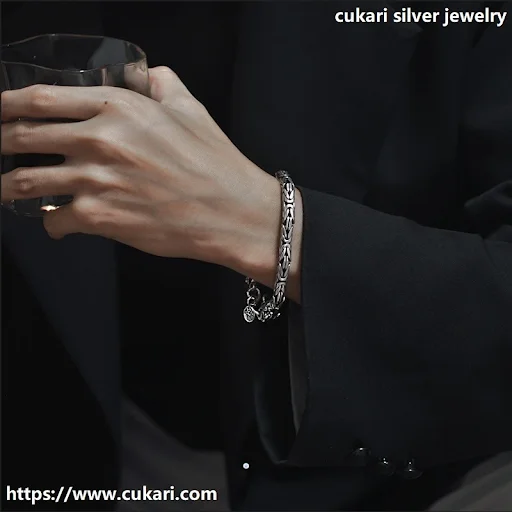
For example, artisan silver bracelet styles for men work especially well with:
- Streetwear
- Monochrome outfits
- Denim jackets
- Leather jackets
- Vintage-inspired fashion
- Minimalist casual wear
Silver jewelry is also highly versatile because it pairs easily with neutral colors like black, grey, white, navy, and earth tones.
Why Silver Bangles Are Trending
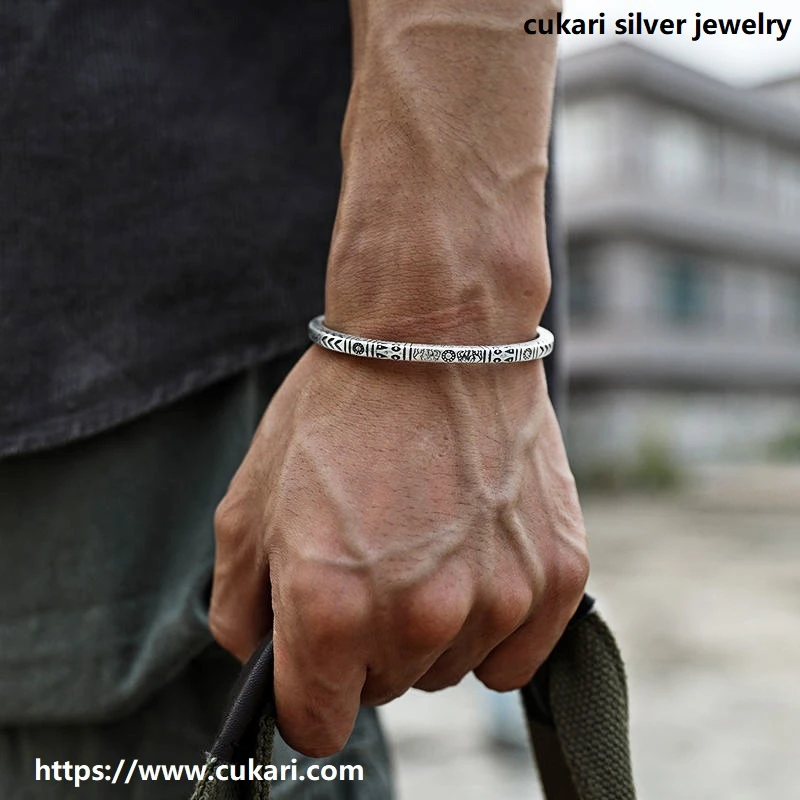
In recent years, silver bangles have become increasingly popular because of their cleaner and more refined appearance. Unlike oversized statement jewelry, bangles offer a more understated style that feels modern and wearable.
Many men now prefer layering accessories or combining different textures to create a more personal look. This trend has made minimalist silver bangle designs especially attractive for everyday fashion.
Another reason bangles continue to grow in popularity is comfort. Open cuff and bangle styles are often lightweight, easy to wear, and suitable for both casual and semi-formal occasions.
Handmade Jewelry and Long-Term Value
One advantage of sterling silver jewelry is longevity. Unlike inexpensive plated jewelry that can fade or peel after repeated use, genuine sterling silver can usually be polished and restored easily.
This makes handcrafted silver jewelry a better long-term investment for people who value durability and craftsmanship. Many silver enthusiasts also appreciate the way sterling silver naturally ages over time, creating a more vintage and authentic appearance.
For those interested in artisan craftsmanship and modern styling, the Cukari handcrafted silver collection combines traditional silverwork with contemporary men’s fashion trends.
Conclusion
Today, men’s jewelry is no longer only about luxury — it is about self-expression, craftsmanship, and individuality. Sterling silver bracelets and bangles continue to stand out because they offer timeless style, versatility, and durability in a way few accessories can.
Whether someone prefers rugged handcrafted textures or minimalist modern designs, silver jewelry remains one of the easiest and most stylish ways to elevate everyday fashion naturally.

In the world of fragrances, a silent debate often swirls between the allure of niche perfumes and the mainstream charm of designer labels. At the heart of this discussion is not just a matter of preference, but an exploration into the artistry, exclusivity, and personal expression found in a bottle of perfume.
The Essence of Niche Perfumes
Whether you’re drawn to the subtle notes of a musky perfume or the bold declaration of a branded scent, understanding the differences between niche and designer perfumes can enrich your olfactory journey.
Niche perfumes are the hidden gems of the fragrance world, often crafted by artisan perfumers or specialized fragrance houses dedicated to unique olfactory experiences. These scents are characterized by their rarity, complexity, and the quality of ingredients used. Unlike their designer counterparts, niche perfumes are produced in smaller batches, allowing for greater creative freedom and attention to detail.
Uniqueness and Artistry
Niche fragrances frequently reflect the personal vision and artistic integrity of their creators. These scents are not designed for mass appeal but cater to individuals seeking a distinctive, personal scent narrative. This focus on uniqueness means that niche perfumes frequently explore unconventional scent profiles, including rare or unusual ingredients that are not typically found in mainstream perfumery.
Quality and Complexity
Another hallmark of niche perfumes is the emphasis on the quality of ingredients. Niche fragrance houses regularly source rare, exotic, or pure ingredients to create their compositions. This dedication to quality results in complex, layered scents that evolve on the skin over time, offering a truly personal and immersive scent experience.
Designer Perfumes: The Blend of Luxury and Accessibility
Designer perfumes, on the other hand, are synonymous with luxury fashion brands. These fragrances are designed to complement a brand’s identity and are often more accessible and widely distributed than their niche counterparts.
Branding and Marketing
The success of designer perfumes is closely tied to the brand’s image and marketing efforts. These fragrances benefit from high visibility, often being promoted through celebrity endorsements and lavish advertising campaigns. The association with a luxury brand adds a layer of prestige and desirability to the perfume, making it a popular choice for those looking to express their affiliation with the brand’s values and aesthetic.
Mass Appeal and Versatility
Designer perfumes are crafted with a broad audience in mind. They tend to feature more familiar, universally appealing scent profiles, making them versatile and easy to wear. While this may mean less complexity and uniqueness in individual scents, it also allows for a wider reach, making designer fragrances a staple in many people’s fragrance wardrobes.
The Decision Between Niche and Designer
Choosing between niche and designer perfumes ultimately comes down to personal preference and what you value in a fragrance. Do you seek a unique, complex scent that tells a personal story, or are you drawn to the allure and prestige of a luxury brand?
Price Considerations
It’s worth noting that niche perfumes often come with a higher price tag due to their limited production, quality ingredients, and unique compositions. Designer perfumes, while still luxurious, are generally more affordable and accessible, making them a popular choice for everyday wear.
Sampling and Exploration
Regardless of your preference, exploring the wide range of scents available in both niche and designer categories can be a rewarding journey. Many boutiques and online retailers offer samples or discovery sets, allowing you to experience a variety of fragrances before making a commitment.
The debate between niche and designer perfumes is not one of superiority but of personal taste and the experiences one seeks in a fragrance. Whether you’re captivated by the unique artistry of niche perfumes or the glamorous allure of designer scents, the world of fragrances offers endless possibilities for exploration and expression. By understanding the differences and embracing the vast spectrum of scents available, you can find the perfect fragrance that resonates with your individuality and style.
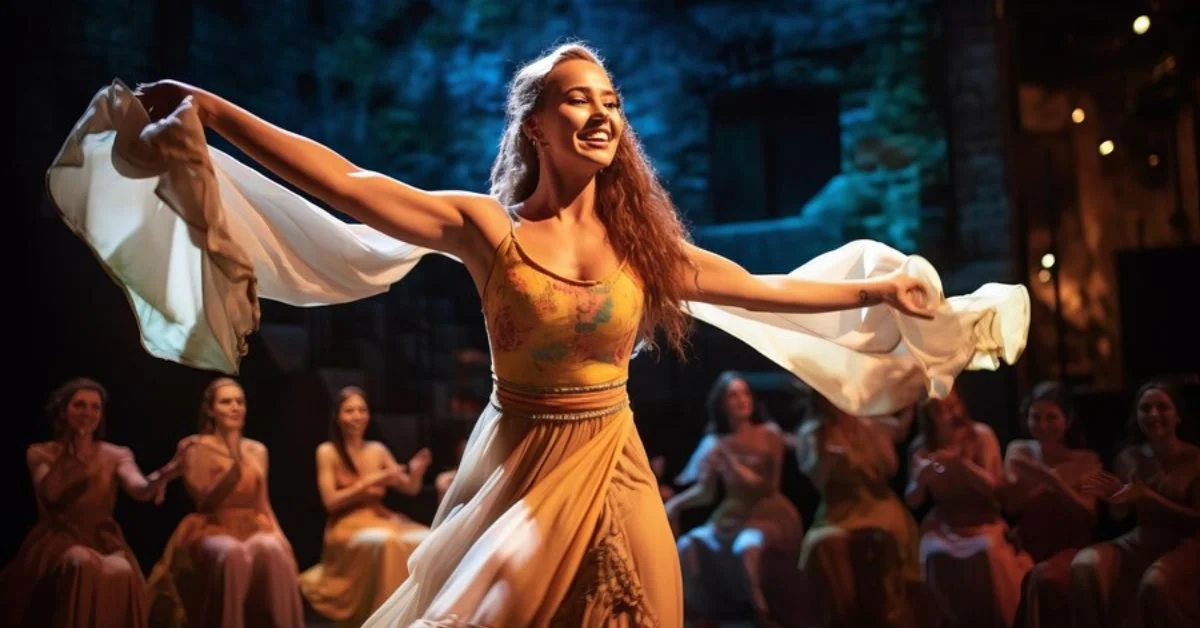
The history of Oriental dancing is rich and varied. Similar movements were in ancient Egypt. Therefore, this art has a thousand-year history of its development. At the same time, even in our time, they are not just not losing popularity but gaining it. Dancers need to have good skills for classes and appropriate attire.
Today it is not difficult to find the difference between belly dance costumes and Halloween costumes or other clothes timed to different events. Various shops sell modern costumes for this kind of dance class. However, traditional belly dancing costumes may offer Aida Style shops.
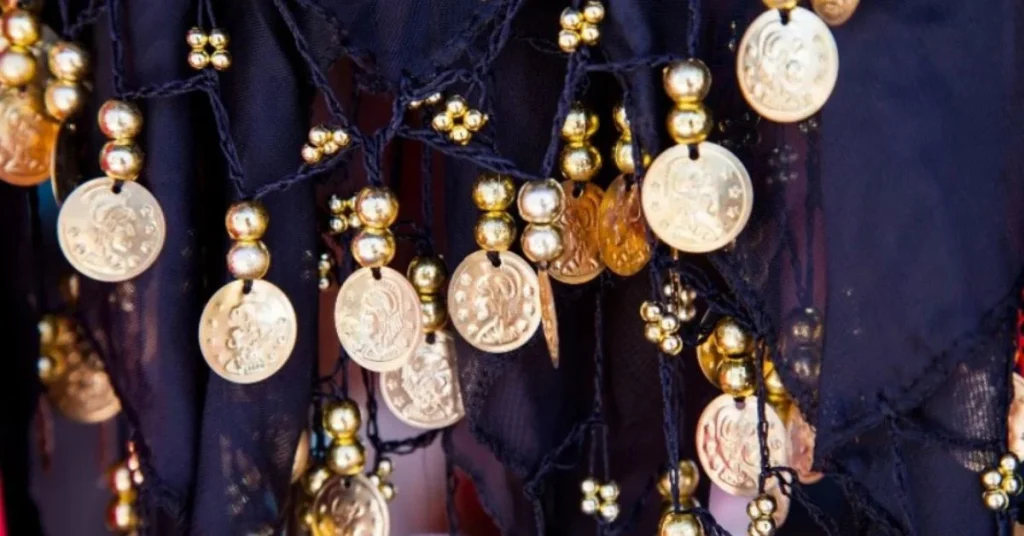
Newcomers in this field do not always realize the importance of buying such costumes. It is not just a tribute to certain traditions. Such clothes and accessories have the cultural significance of belly dancing costumes. They are created primarily for dancing and help to develop technique and better learn the movements. Therefore, authentic costumes should at least be considered for possible purchase.
Reasons to buy traditional belly dance costumes
Belly dancing is not just a physical activity. Rather it is a separate kind of art, which for years it is a pleasure to watch Professional dancers know that modern dances are somewhat different from the classical version. Therefore, to avoiding costume appropriation in belly dance they use traditional movements and garments. On the site Aida Style aida-style.com you can find a lot of such costumes. But why should one choose such garments?
There are several reasons for this choice, among them:
- the opportunity to feel like an inhabitant of ancient times;
- to get new sensations from the dance;
- no need to add additional accessories;
- traditional costumes help you do the basic movements better;
- they are tighter and shy dancers feel more confident.
This is not the entire list of advantages of such costumes. When choosing such options you need to pay attention to traditional fabrics for belly dance costumes. Among them are silk, chiffon, and velvet. They are also decorated with a small amount of coins, but with very beautiful patterns. It is a pleasure to dance in such costumes. But you need to know how to pick them up correctly.
Tips for choosing authentic belly dance costumes
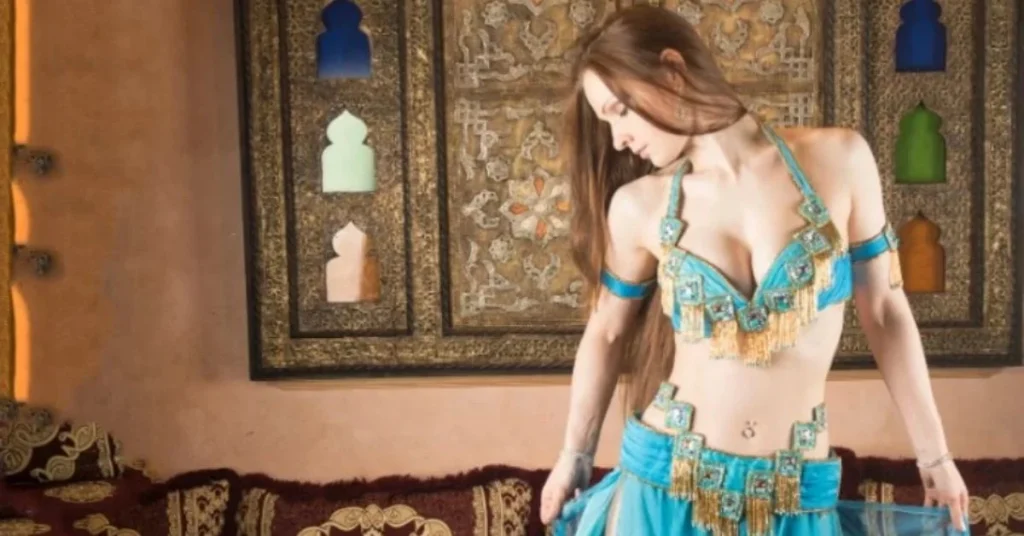
Most belly dance costumes combine tradition and elegance. But classic versions of the garments have unusual designs, bright colors, and elaborate embellishments (both fabric patterns and additions). There are different types of belly dance costumes by region. But all of them consist of 3 important elements:
- Bedlam;
- hip belt;
- veil.
Bedlam is the base of the costume, which has a top in the form of a top and a bottom in the format of a skirt (sometimes trousers). Many people have the question is it okay to wear a coin bra for belly dance? No one will forbid you to do it, but the classic top goes mostly without coins.
The waist belt is decorated as much as possible. It is he is an indicator of all the movements of the dancer. Therefore, it can be different coins, drawings, and additional patches. Veil allows you to create a mysterious image and it can be used as an object in the dance.
When choosing traditional costumes you should:
- choose them according to your physique;
- choose matching prints and colors;
- feel free to buy additional accessories to a classic costume.
However, it is important to buy only those details that are suitable for this suit.
Where to buy traditional authentic belly dance costumes
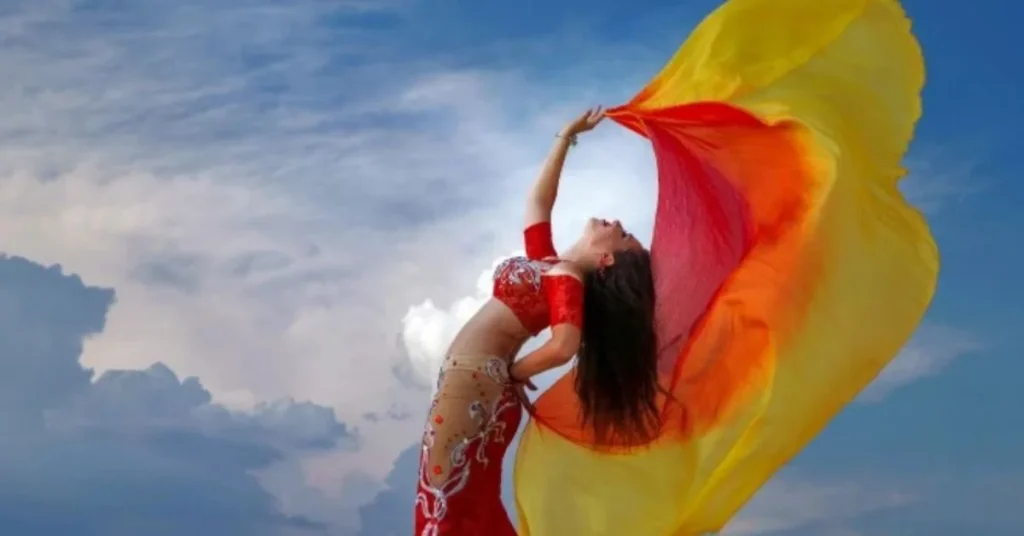
Paying respecting cultural origins in belly dance attire, dancers should try on the classic versions of these garments. In them, movements are less constrained, they are light and dance in such things comfortable. For dancers who participate in belly dance costumes for cultural performances, the presence of traditional clothes will be a huge advantage.
You can buy both classic and modern models of belly dance costumes in the online shop Aida Style. Here is a very wide selection of various costumes, which differ in:
- construction;
- colors;
- decorative elements;
- fabrics;
- styles.
Every dancer, both experienced and beginner, will be able to find here interesting variants. To order you just need to click a few times and the shop manager will call the customer back. After receiving a consultation, you can make an online payment and expect to receive the goods. Most parcels are delivered as quickly as possible. In some countries, you need to wait for delivery for 14 days.



 HOME IMPROVEMENT1 year ago
The Do’s and Don’ts of Renting Rubbish Bins for Your Next Renovation
- BUSINESS1 year ago
Exploring the Benefits of Commercial Printing
- HOME IMPROVEMENT10 months ago
Get Your Grout to Gleam With These Easy-To-Follow Tips

 HEALTH10 months ago
The Surprising Benefits of Weight Loss Peptides You Need to Know
- BUSINESS1 year ago
Brand Visibility with Imprint Now and Custom Poly Mailers
- TECHNOLOGY1 year ago
Dizipal 608: The Tech Revolution Redefined
- HEALTH10 months ago
Your Guide to Shedding Pounds in the Digital Age
- LAW1 year ago
7 Key Questions to Ask When Hiring a Criminal Lawyer