HEALTH
The Causes and Solutions for Reverse Gum Recession

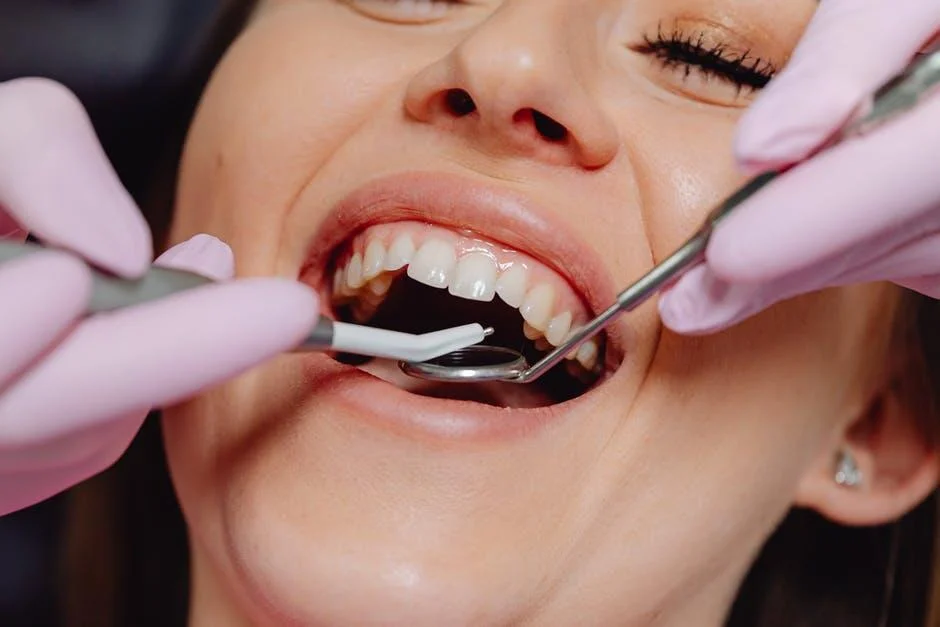
Are you one of the millions who suffer from reverse gum recession? If so, you are not alone.
This common condition affects individuals of all ages and can lead to serious oral health issues if left untreated. But fear not. This blog post will delve into the causes and offer practical solutions to help combat this problem.
We will explore everything from genetics and lifestyle factors to brushing techniques and home remedies, providing you with a comprehensive understanding of the root causes of reverse gum recession. So, let’s dive in and take control of your oral health.
Understanding the Root Causes of Reverse Gum Recession
Gum recession is a common dental problem that occurs when the gum tissue surrounding the teeth pulls back and exposes the tooth roots. While various factors can contribute to gum recession, there are root causes that have been identified as the main culprits. These include the following:
Aggressive Brushing or Flossing
Aggressive brushing or flossing is a common cause of reverse gum recession. This occurs when the gums pull away from the teeth, exposing the root of the tooth. This can lead to sensitivity, pain, and even tooth loss if left untreated.
The constant force and pressure from aggressive brushing or flossing can damage the delicate gum tissue. This causes it to become inflamed and recede.
It is important to use gentle brushing and flossing techniques to avoid putting too much pressure on the gums. Additionally, using a soft-bristled toothbrush and choosing a gentle floss can help prevent reverse gum recession and maintain healthy gums.
Periodontal Disease
Periodontal Disease is also known as gum disease. It is a common oral health issue that can have serious consequences if left untreated. This disease is caused by bacteria in plaque that builds up on the teeth.
This leads to inflammation of the gums. As the disease progresses, it can destroy the gum tissue and bone that supports the teeth, resulting in gum recession.
Without proper treatment, the condition can worsen and lead to tooth loss. So, it is essential to practice good oral hygiene and visit your dentist to prevent and treat periodontal disease.
Genetics
Genetics plays a crucial role in our health, including that of our gums. It is no surprise that one of the root causes of reverse gum recession is genetics. The structure and strength of our gums are determined by the genes we inherit from our parents.
Some individuals are born with thinner gum tissue. This makes them more susceptible to gum recession.
Others may inherit weaker immune systems, making them more prone to gum disease, which can also lead to gum recession. While we cannot change our genetic makeup, being aware of our predisposition to gum recession can prompt us to take preventive measures and maintain good oral hygiene to keep our gums healthy.
Hormonal Changes
As we age, our hormone levels naturally fluctuate. This causes a decrease in estrogen and progesterone. These hormones play a crucial role in maintaining healthy gum tissue, and a decrease in their levels can lead to inflammation and weakening of the gums.
Besides, during hormonal changes such as puberty, pregnancy, or menopause, our bodies produce higher levels of cortisol, a hormone that can suppress the immune system and increase the risk of gum disease. Taking care of our hormonal health, along with practicing good oral hygiene, can help prevent and manage reverse gum recession.
Poor Dental Hygiene
Neglecting to care for our teeth and gums can lead to a buildup of plaque and bacteria, which can cause inflammation and infection of the gums. Over time, this can lead to gum recession, where the gum tissue pulls away from the teeth.
This exposes the roots and creates pockets where more bacteria can collect. Poor dental hygiene practices, such as infrequent brushing and flossing, can also contribute to the development of gum disease, a major factor in gum recession.
Tobacco Use
Tobacco contains harmful chemicals that can damage the delicate tissues in the mouth, leading to gum recession. Smoking or using smokeless tobacco products increases the risk of gum disease, which can result in gums pulling away from the teeth. These chemicals in tobacco also interfere with the body’s natural ability to heal and repair itself.
This makes it difficult for the gums to heal properly. Furthermore, tobacco use weakens the immune system, making it difficult for the body to fight off infections in the gums. Thus, quitting tobacco use is crucial in preventing and reversing gum recession.
Teeth Grinding or Clenching
While it may seem harmless, this behavior can have detrimental effects on the mouth, specifically on the gums. One root cause of reverse gum recession is teeth grinding or clenching. This is because the constant grinding or clenching puts excessive pressure on the teeth and causes them to shift.
This leads to the gums being pulled away from the teeth. Over time, this can result in gum recession and expose the tooth root, making it more vulnerable to decay. Thus, it is important to address and treat teeth grinding or clenching to prevent reverse gum recession and maintain good oral health.
Misaligned Teeth
This occurs when the teeth do not fit together, creating pockets or gaps between the teeth and gums. These spaces allow bacteria to accumulate and cause inflammation, leading to the recession of the gum line. Furthermore, misaligned teeth can put pressure on certain areas of the gums.
This leads to wear and tear on the tissue and eventual recession. In severe cases, misalignment can also result in overcrowding or shifting of the teeth.
This makes it difficult to properly clean and maintain good oral hygiene, thus increasing the risk of gum recession. It is important to address misaligned teeth to prevent the root cause of reverse gum recession.
Inadequate Nutrition
This occurs when the gum tissue surrounding the teeth begins to wear away, exposing the delicate root surface. One of the main causes of this is inadequate nutrition, specifically a lack of important vitamins and minerals. Nutrients like Vitamin C, iron, and calcium play a vital role in maintaining healthy gum tissue.
Without a proper intake of these nutrients, the gum tissue becomes weak and vulnerable to recession. Consuming a balanced diet that includes fruits, vegetables, and dairy products can reduce the risk of reverse gum recession caused by inadequate nutrition.
Certain Medications
Medications such as certain antihypertensives, antidepressants, and immunosuppressants have been linked to gum recession. These medications can cause a decrease in saliva production and alter the balance of bacteria in the mouth, leading to inflammation and gum recession.
It is essential for individuals taking these medications to be aware of the potential side effects and take extra precautions to maintain good oral hygiene. Regular dental check-ups and proper brushing and flossing techniques can help prevent the progression of gum recession caused by certain medications.
Practical Steps for Effective Prevention and Treatment of Gum Recession
Gum recession can be a painful and concerning dental issue, but fortunately, there are practical steps that can be taken to prevent and treat it effectively.
Healthy and Balanced Diet
Foods high in vitamins A, C, and D, as well as calcium and magnesium, can help strengthen your teeth and gums. These can be found in leafy greens, fruits, nuts, and lean proteins. Avoiding sugary and processed foods is also crucial in maintaining good oral health.
Furthermore, staying hydrated by drinking plenty of water can help wash away food debris and plaque, reducing the risk of gum disease. By following these dietary habits, you can effectively prevent and treat gum recession.
Reducing Stress Levels
Stress can have a major impact on our health, including our oral health. When we experience high levels of stress, our body produces more cortisol. It is a hormone that can weaken our immune system and make us more susceptible to gum disease.
This can lead to gum recession, which is the gradual loss of gum tissue around the teeth. By reducing stress levels, we can decrease the production of cortisol and strengthen our immune system.
This makes it easier for our bodies to fight off gum disease and prevent gum recession. Additionally, practice stress-reducing techniques such as the following:
- meditation
- yoga
- or exercise
All these can also improve blood flow to the gums and promote healthier gums.
Regular Dental Check-Ups
It is recommended to visit the dentist every six months, as it allows for early detection and gum treatment of any potential issues. During a dental checkup, the dentist will examine the gums and teeth. They will look for signs of recession such as the following:
- gum inflammation
- tooth sensitivity
- and exposed tooth roots
They will also conduct professional cleanings to remove plaque and tartar buildup. This can contribute to gum recession. By scheduling dental checkups, individuals can maintain good oral hygiene and address any issues before they become more serious and need more extensive treatment.
Seeking Professional Treatment
When it comes to preventing and treating gum recession, seeking professional treatment is one practical step that can lead to effective results. The use of techniques such as the Dr. Chao pinhole surgical technique, which is a minimally invasive procedure, can help to restore receding gums and prevent further damage. This technique involves making a small hole in the gums and moving the tissue to cover the exposed areas of the tooth.
Professional treatment can also include regular cleanings and check-ups to catch any signs of gum recession early on. Seeking professional treatment for gum recession can lead to long-term benefits and a healthier oral cavity.
Natural Remedies and Treatments to Help Reverse Gum Recession
Gum recession is a common dental problem that can lead to sensitivity and even tooth loss. While there are various treatment options available, many people prefer to use natural remedies to help reverse gum recession.
Green Tea
Green tea is not only a delicious and refreshing beverage, but it has also been used for centuries as a natural remedy to reverse gum recession. This is due to its high level of antioxidants and anti-inflammatory properties. These help to reduce inflammation and promote healthy gum tissue growth. Additionally, green tea contains catechins.
This can help fight against bacteria in the mouth that can cause gum disease. Regular consumption of green tea can also help to strengthen gum tissue and prevent further recession. It is a simple and effective way to improve the health of your gums and maintain a beautiful smile.
Oil Pulling
Oil pulling is a traditional natural remedy that has been gaining attention in recent years for its ability to promote gum health and reverse gum recession. This technique involves swishing a tablespoon of oil, such as coconut or sesame oil, in the mouth for 10-20 minutes before spitting it out.
The oil works to remove harmful bacteria from the mouth and create a protective barrier on the gums, promoting healing and reducing inflammation. Regular oil pulling can also improve oral health and freshen breathing. With its simple yet effective process, oil pulling is a natural solution to help reverse gum recession and maintain a healthy smile.
Aloe Vera
Aloe Vera has long been hailed as a miracle plant due to its many healing properties. Among its many uses, Aloe Vera is an effective natural remedy for reversing gum recession. This is because it contains anti-inflammatory and healing compounds that can help reduce inflammation and promote tissue regeneration.
Applying Aloe Vera gel topically on the affected gum area can help soothe irritation and stimulate the growth of new gum tissue. It also has antibacterial properties that can help combat bacteria that contribute to gum recession. Aloe Vera is a safe and natural alternative to traditional treatments and can be incorporated into daily oral care routines.
Understand the Causes and Solutions for Reverse Gum Recession
Reverse gum recession can be caused by a combination of factors, including genetics, poor oral hygiene, and certain medications. Yet, by maintaining good dental hygiene, visiting a dentist regularly, and exploring treatment options such as gum grafting, we can prevent and treat this condition.
Remember, taking care of your gums is crucial for a healthy smile. Schedule a dental check-up today and take the first step towards preventing and addressing reverse gum recession.
Looking for more tips and advice? You’re in the right place! Make sure to bookmark our page and come back to check out more interesting articles.

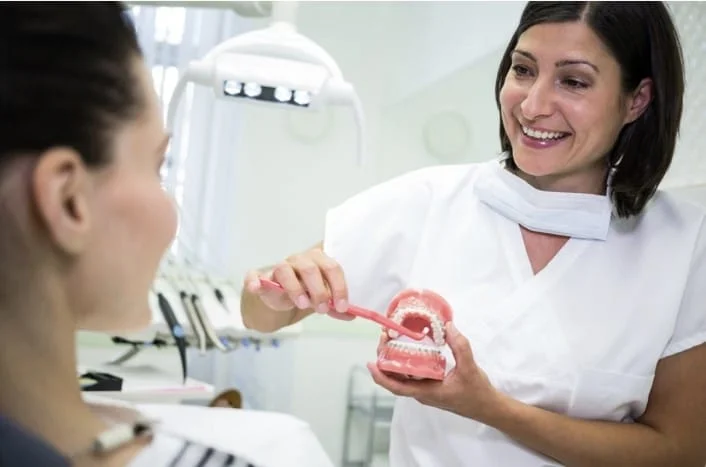
Dental bridges and crowns installed in Maroubra dentist clinics fix various orthodontic problems. Although some people choose them for cosmetic purposes, it is wise to understand the differences between dental crowns and bridges. That will help you pick the best option after their evaluation in this guide.
Dental Crowns and Bridges: Essential Facts
Dental bridges and crowns help repair damaged teeth. They also give beautiful smiles.
- Dental Crowns
Dental crowns are synthetic caps placed on damaged, broken, or decayed teeth. They work best for teeth without a root canal procedure, such as molars and premolars.
The natural tooth crown is a protective layer on the tooth. Once damaged, a tooth weakens and is exposed to accelerated deterioration from cavities. This can also cause chewing problems.
Artificial crowns replace lost or damaged natural crowns. They are fitted over the teeth to fortify them and improve their durability.
Dental crowns are made of materials like gold alloy and zirconia. Others contain a combination of metal and porcelain. Zirconia and porcelain have a colour range close to natural teeth.
Metal-based crowns or those that have metal alloys are durable. Though they do not look like natural teeth, they are cost-effective. Porcelain chips and damages quickly, but bonding it to a metal shell improves its longevity. Ceramic and acrylic crowns are durable.
The choice of crown material depends on the doctor’s recommendation. They consider factors such as the tooth’s position and the condition of the gum tissue. How much of the tooth is exposed when smiling also matters.
Dentists also place dental crowns on dental implants to replace missing teeth. Crowns hold cracked teeth together and restore them. They replace worn-out or oversized fillings. If a tooth has had multiple fillings that have weakened it, crowns make the best restorative option.
Crowns are also used in cases where the teeth have decayed extensively. Such teeth lack the structure to support a tooth filling. Crowns also cover misshapen and discoloured teeth. They replace cosmetic fillings or veneers. They are a cosmetic enhancement that improves the appearance of the teeth.
Crowns, though, come with some challenges. They increase the risk of infections. Sometimes, they detach or loosen and cause considerable discomfort. When placed over undetected or untreated cavities, they compound the decay problem. They also cause discomfort when not fitted properly. Some patients note increased tooth sensitivity after the procedure.
Their cost depends on the material, any other accompanying procedures, and the country or location. It also depends on whether the insurance company classifies them as cosmetic or essential medical procedures. Some medical covers exclude cosmetic surgery.
- Dental Bridges
Dental bridges serve one purpose only: replacing missing teeth. Bridges have a crown on each end and a bridge of teeth called pontics that rest on the area with missing teeth. They can be used on natural teeth where they fuse into the teeth. Such bridges can also be joined to existing dental implants. That is one type of dental bridge.
The other type is a bridge bonded with resin that replaces a single tooth. It attaches the replacement tooth to the adjacent one using a ceramic wing retainer or bonded metal. However, the resin bonding makes it delicate in the face of forces caused by clenching or grinding teeth and chewing. That limits its use, making it more conservative than the pontic dental bridge.
Conclusion
In conclusion, a dental bridge fills up the gap left by a missing tooth, while a crown covers a damaged tooth. Although the two dental procedures are related, bridges cost more than crowns. Still, both should last a lifetime if properly taken care of. Patients should continue practising good oral health habits even after receiving these treatments.

As the need might arise, you might have found that successive medical clinic visits upset your everyday existence. Domiciliary hospitalisation offers an option for individuals who require standard medicines or observation. This imaginative model carries quality consideration into the solace of your home through-composed visits from specialists, attendants, and trained professionals.
In this article, figure out how domiciliary hospitalisation works, who qualifies, and what administrations might be presented in a locally established program. Find how this patient-focused approach can assist you with getting fundamental clinical consideration while keeping up with your ordinary everyday practice. With exhaustive oversight from your consideration group, domiciliary hospitalisation permits you to zero in on recuperating in a recognizable climate.
What Is Domiciliary Hospitalisation?
Domiciliary hospitalisation implies in-home clinical thought given by clinical consideration specialists to patients whose condition doesn’t warrant admission to a crisis facility. Patients help with concentrated care and seeing at home through standard visits from trained professionals, clinical orderlies, and other clinical benefits staff.
Financially savvy and Agreeable
Domiciliary hospitalisation permits patients to get quality consideration in the solace of their own homes. This disposes of the expenses related to clinic stays, including costs for emergency clinic rooms, clinical hardware, and staff. Patients are likewise ready to rest in a natural climate encompassed by friends and family. For some, this advances quicker mending and recuperation.
Reasonable for Different Circumstances
Domiciliary hospitalisation can be utilized to treat many intense and ongoing circumstances, from pneumonia and asthma to diabetes and coronary illness. Up to a patient’s condition can be appropriately overseen at home, domiciliary hospitalisation might be a choice. Patients requiring surgeries escalated observing, or life emotionally supportive networks are commonly not up-and-comers.
Expertly Directed Care
While patients stay in their homes, domiciliary hospitalisation gives proficient clinical consideration and management. Specialists and attendants visit patients consistently to evaluate their condition, direct medicines, change drugs on a case-by-case basis, and screen patients’ advancement. Home well-being helpers may likewise help with day-to-day exercises like washing, feasting, and light housekeeping. 24-hour crisis administrations guarantee patients approach quick attention should their condition deteriorate out of nowhere.
Domiciliary hospitalisation offers an option for quality consideration and checking beyond a conventional medical clinic setting. For some patients, the solaces of home joined with standard doctor visits give an optimal climate for recuperation and mending. By lessening costs while as yet giving proficient consideration, domiciliary hospitalisation makes quality medical services more available for the individuals who need it most.
Benefits of Domiciliary Hospitalisation
Domiciliary hospitalisation, otherwise called home medical services, gives patients the amazing chance to get quality clinical consideration from the solace of their own homes. This model of care offers a few benefits over conventional hospitalisation.
Reduced Risk of Infection
Medical clinics house numerous evil patients in nearness, expanding the gamble of openness to contaminations and transferable sicknesses. Recuperating at home wipes out the danger of nosocomial contaminations and permits patients to keep away from superfluous openness to different sicknesses.
Improved Comfort and Wellbeing
For some patients, the new and frequently distressing medical clinic climate can adversely affect their recuperation. Being in a recognizable space encircled by friends and family prompts further developed solace, temperament, and rest quality — all of which help in the mending system. Patients are additionally ready to keep up with their typical schedules however much as could be expected, assisting them with feeling more in charge of their circumstances.
Lower Costs
Domiciliary hospitalisation diminishes costs for the two patients and medical services frameworks. Patients stay away from costly clinic expenses and bills. Medical services frameworks benefit from decreased costs related to keeping up with emergency clinic offices and staff. The diminished gamble of optional contaminations additionally brings down costs from spontaneous readmissions or broadened medical clinic stays.
Stronger Continuity of Care
At the point when patients get care at home, correspondence between all individuals from the medical services group is improved. Medical caretakers and doctors can construct more grounded associations with patients and gain a superior comprehension of their interesting requirements and conditions. This degree of customized care and progression prompts further developed well-being results and patient fulfilment.
In outline, domiciliary hospitalisation ought to be considered at whatever point therapeutically suitable and possible. For some patients, the advantages of recuperating serenely at home encompassed by friends and family far offset the experience of a conventional emergency clinic stay. By bringing quality consideration straightforwardly into the homes of patients, this model changes the medical services insight and empowers better well-being for all.

Seeking therapy can pose challenges, yet its benefits are widely acknowledged. Typically, when we envision therapy, we picture individual sessions characterized by one-on-one interactions demanding vulnerability, self-reflection, and openness amid uncertainty about the therapist’s response. However, group therapy offers remarkable advantages, rendering it an indispensable asset for mental well-being.
Group therapy represents a psychotherapeutic approach where one or multiple therapists collaborate with several individuals concurrently. This mode of therapy is accessible across various settings such as private therapeutic practices, hospitals, mental health clinics, and community centers.While group therapy can be a standalone intervention, it is frequently incorporated into a holistic treatment regimen that encompasses individual therapy as well.
Types of Group Therapy
Group therapy encompasses various types tailored to address specific mental health conditions and therapeutic approaches. These include:
Cognitive Behavioral Groups
These groups aim to identify and modify distorted thought patterns, emotional responses, and behaviors. It entails a group-based intervention employing behavioral, cognitive, relational, and group therapy techniques to bolster participants’ coping abilities and address relational and intrapersonal challenges they may encounter. Coping skills encompass behaviors and thoughts that aid individuals in navigating stressful or challenging daily circumstances, as well as internal emotional experiences.
Interpersonal Groups
Focused on interpersonal relationships and social interactions, emphasizing the influence of support networks on mental well-being.
Interpersonal process group therapy focuses on fostering effective and enduring changes that enhance relationships. While individual therapy aids in self-discovery, unresolved interpersonal issues persist without learning how to enact change.
Engaging in Interpersonal Process Group therapy provides a supportive environment conducive to making necessary changes. Within this setting, participants benefit from:
Peer Support: Group therapy encourages members to share, support, and empathize with one another.
Enhanced Communication Skills: Opportunities in group therapy facilitate boundary-setting, respectful communication, and expression of thoughts and emotions.
Building Connections:Regular group attendance hones active listening skills and fosters genuine friendships, fostering trust and openness.
Heightened Understanding:Recognizing shared experiences among group members diminishes feelings of isolation and shame.
Embracing Vulnerability: While vulnerability may seem daunting, it fosters deeper connections and boosts confidence, ultimately alleviating anxiety and strengthening relationships.
Psychoeducational Groups
Centered on educating participants about their disorders and coping mechanisms, often drawing from cognitive behavioral therapy (CBT) principles.
A psychoeducational group, facilitated by a mental health professional, imparts knowledge about clients’ disorders and coping strategies. Unlike traditional therapy groups, psychoeducational groups incorporate educational materials to convey essential information effectively.
In addition to fostering a supportive environment for sharing experiences, psychoeducational groups introduce various educational resources. These may include statistical sheets, videos, handouts, books, curricula, and guest speakers. These materials offer clients opportunities to understand statistical data, learn from written examples, explore recovery narratives, and witness others’ journeys firsthand. By integrating educational elements, psychoeducational groups enhance participants’ self-awareness and understanding of their condition.
Skills Development Groups
Geared towards enhancing social skills among individuals with mental disorders or developmental disabilities. In numerous skills development groups, all you need to bring is yourself and a willingness to learn and apply new skills. Cultivating a supportive attitude fosters mutual positive reinforcement among group members.
Participation in skills development groups can lead to a healthier and more fulfilling lifestyle. It simply entails utilizing the acquired knowledge with the assistance of fellow group members.
Support Groups
A support group, also known as a social support group, comprises individuals guided by a professional, gathering to confront and manage a common issue. Under the professional’s guidance, they exchange assistance, solace, motivation, advice, and direction to tackle their challenges collectively.
Typically, the group leader is not grappling with the issue confronting the members but is specially trained to offer support. This distinction sets a support group apart from a self-help group, where individuals unite to address challenges without professional leadership.
Offering a multitude of benefits for individuals with various mental health conditions and their families, fostering a sense of community and understanding.
Benefits of Group Therapy
Support, Security, and Motivation
Participants in group therapy receive support and encouragement from fellow members, alleviating feelings of isolation. Witnessing others navigate similar challenges fosters a sense of camaraderie. Moreover, the group setting provides a safe environment to practice new behaviors and actions.
Role Modeling
Group members serve as role models, demonstrating successful coping strategies and instilling hope for recovery. As individuals progress, they become sources of inspiration and support for others, promoting a sense of achievement and progress within the group.
Enhanced Social Skills
Group therapy provides a platform for therapists to observe interpersonal dynamics and social behaviors firsthand. This insight enables therapists to offer tailored feedback to each participant, facilitating personal growth and improved social interactions.
Cost-Effectiveness
It is often more affordable than individual therapy since therapists can allocate their time to a larger number of participants. This cost-sharing model makes therapy more accessible to individuals seeking support and treatment.
Building Trust and Connection
Group therapy fosters the development of trust and connection among participants, as they share their vulnerabilities and support one another through their struggles. The bonds formed in group therapy can be incredibly powerful, providing a sense of belonging and validation that extends beyond the therapy sessions.
Conclusion
Group therapy sessions offer individuals the opportunity to connect with others who have gone through similar experiences. Led by certified psychologists or mental healthcare practitioners, these sessions come in various models, each aimed at fostering positive change and coping mechanisms for significant life events and mental health challenges. While the specific approach may vary, the overarching goal remains consistent: to introduce members to new behaviors that promote resilience and enhance their ability to manage and overcome difficulties.




 HOME IMPROVEMENT1 year ago
The Do’s and Don’ts of Renting Rubbish Bins for Your Next Renovation
- BUSINESS1 year ago
Exploring the Benefits of Commercial Printing

 BUSINESS1 year ago
Brand Visibility with Imprint Now and Custom Poly Mailers
- HOME IMPROVEMENT9 months ago
Get Your Grout to Gleam With These Easy-To-Follow Tips
- TECHNOLOGY11 months ago
Dizipal 608: The Tech Revolution Redefined
- HEALTH9 months ago
The Surprising Benefits of Weight Loss Peptides You Need to Know
- HEALTH9 months ago
Your Guide to Shedding Pounds in the Digital Age

 HEALTH12 months ago
Happy Hippo Kratom Reviews: Read Before You Buy!